Understanding Last Dollar Road and What Makes It Different
Last Dollar Road sits in southwestern Colorado near Telluride. It's a high-altitude mountain drive that delivers something rare: genuine scenic reward without requiring extreme technical skill. Most Jeep trails demand you focus so intently on terrain that landscape awareness becomes secondary. Last Dollar Road inverts that equation. You can actually enjoy the views while driving.
The road itself is straightforward. It's a maintained dirt and gravel mountain pass that connects different valleys in the San Juan Mountains. It climbs to elevation, stays there for a while, then descends on the other side. The technical challenge is mild compared to other high-altitude Colorado drives. The scenic experience is genuine and sustained.
What separates Last Dollar Road from standard mountain drives is the combination of accessibility and dramatic views. This isn't a road that requires specialized equipment or years of rock crawling experience. A stock vehicle with decent ground clearance handles it fine. Anyone reasonably comfortable with mountain driving can make this drive successfully. Yet the views are legitimately spectacular—mountain vistas that justify why people travel to Colorado to see mountains.
Last Dollar Road has earned its reputation not through difficulty but through delivering on its promise. You're not struggling through technical terrain hoping views appear at the end. You're driving through views the entire time. The landscape is the point.
This guide walks through what Last Dollar Road actually involves. It explains what you need to prepare, when the best driving windows occur, and honestly assesses what makes this drive rewarding. It's not about convincing you this is difficult or extreme. It's about showing you why this drive deserves its place among popular Colorado scenic routes.
Location and Geographic Context
Last Dollar Road sits in the San Juan Mountains of southwestern Colorado. The road connects Highway 62 near Ridgway with Highway 145 near Telluride. Total distance is roughly 16 miles from one end to the other, depending on which portion you drive and whether you do the complete traverse or partial sections.
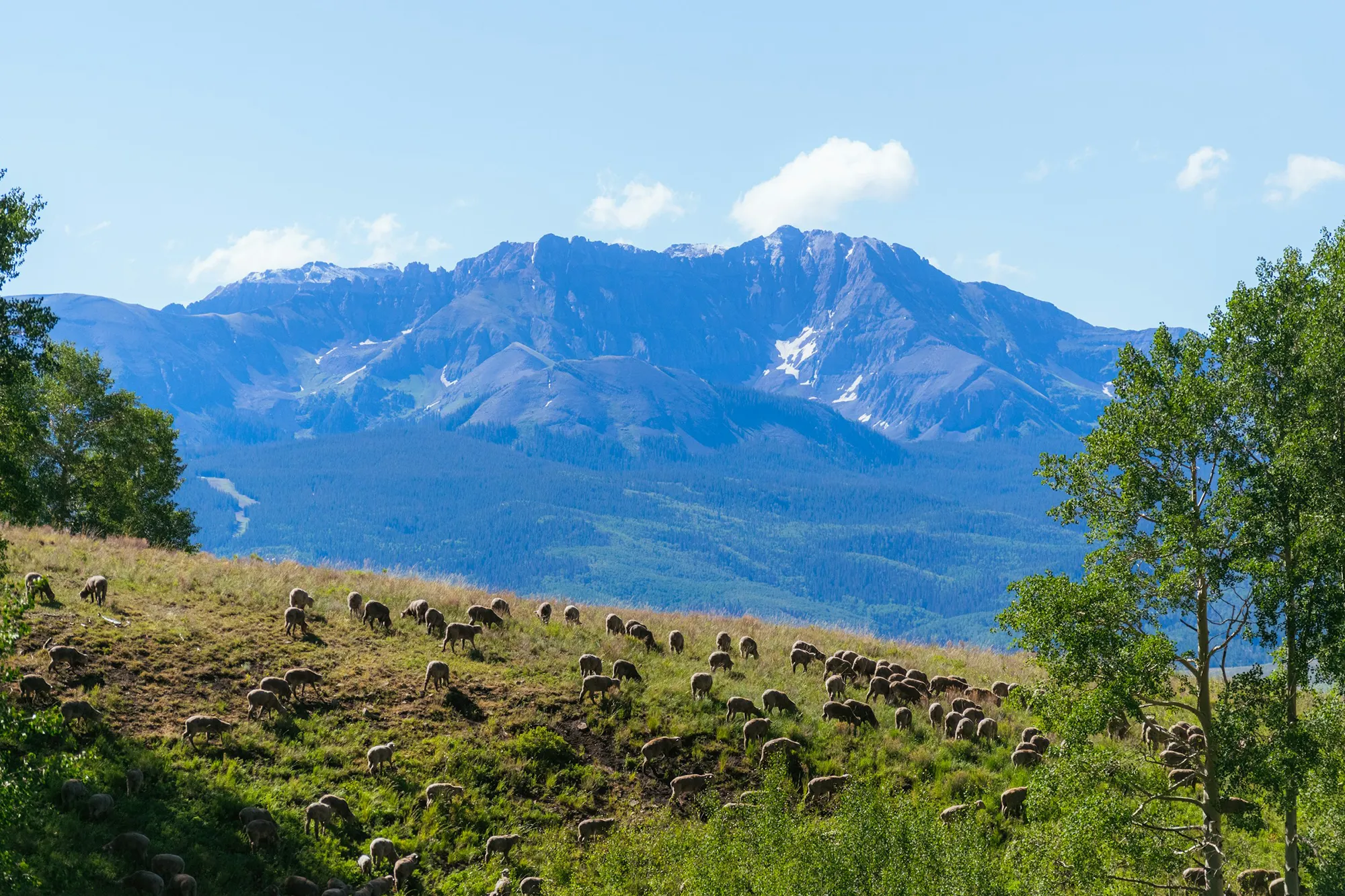
The San Juan Mountains themselves are significant. They're high, rugged, and dramatic. Peaks in this range exceed 14,000 feet. The range was carved by glaciers, shaped by water and time into the landscape you see today. Last Dollar Road climbs through this terrain, reaching elevations around 10,000 feet at the highest point, then descends into valleys on the other side.
Geographic location and access information:
Near Telluride, Colorado and Ridgway, Colorado
San Juan National Forest area
Access from Highway 62 or Highway 145
Approximately 16 miles total distance
Elevation range 8,000 to 10,000+ feet
Moderate climb on approach, sustained elevation, descent on exit
Multiple access points allow partial drives or complete traverse
The road itself has history. It's been used as a mountain pass for over a century. The name "Last Dollar Road" comes from its origins as a toll road, though those days are long past. Today it's maintained by local county authorities and Forest Service management.
Access points to Last Dollar Road offer flexibility. You can start from either end, or drive only the middle section if time is limited. Local knowledge helps but isn't required—the road is established and clearly marked.
Keep In Mind: Last Dollar Road is not a hidden backcountry route. It's a known, maintained mountain road. That doesn't diminish its value as a scenic drive. It just means expectations should be calibrated accordingly.
Why Last Dollar Road Delivers
Last Dollar Road stands out because it offers sustained scenic experience without demanding extreme technical skill. You're not white-knuckling through rock gardens while missing the views. You're driving through landscape that's genuinely engaging while being able to appreciate it.
The combination of accessibility and drama is what makes this drive work. A driver with minimal backcountry experience can handle Last Dollar Road. A driver with decades of trail experience can enjoy it for the views rather than the challenge. That breadth of appeal is rare.
The reputation Last Dollar Road has earned comes from consistent delivery. People drive it, experience the mountain views, and understand why the route attracts repeat visitors. It's not oversold. It delivers on what the route claims to provide.
What the scenic experience actually involves:
Mountain vistas visible throughout most of the drive
Panoramic views from higher elevation sections
Valley landscapes visible from the ridge
Weather effects on scenery (clouds, light, visibility)
Distance views of surrounding peaks
Changing perspective as you traverse elevation
The sense of altitude and exposure
Colors and geology of the mountain landscape
The views matter beyond just being aesthetically pleasant. Driving through landscape of this scale creates a specific kind of awareness. You're present in a way that routine driving doesn't require. The mountains command attention not through difficulty but through their sheer presence.
Photography opportunities exist throughout Last Dollar Road. The views are legitimate enough that many people stop for photos. The changing light through the day creates different photographic conditions. Morning light differs from afternoon light differs from late afternoon light.
Think of it this way: Last Dollar Road respects drivers who want to enjoy views without fighting terrain. That's a legitimate driving experience.
Road Characteristics and Terrain
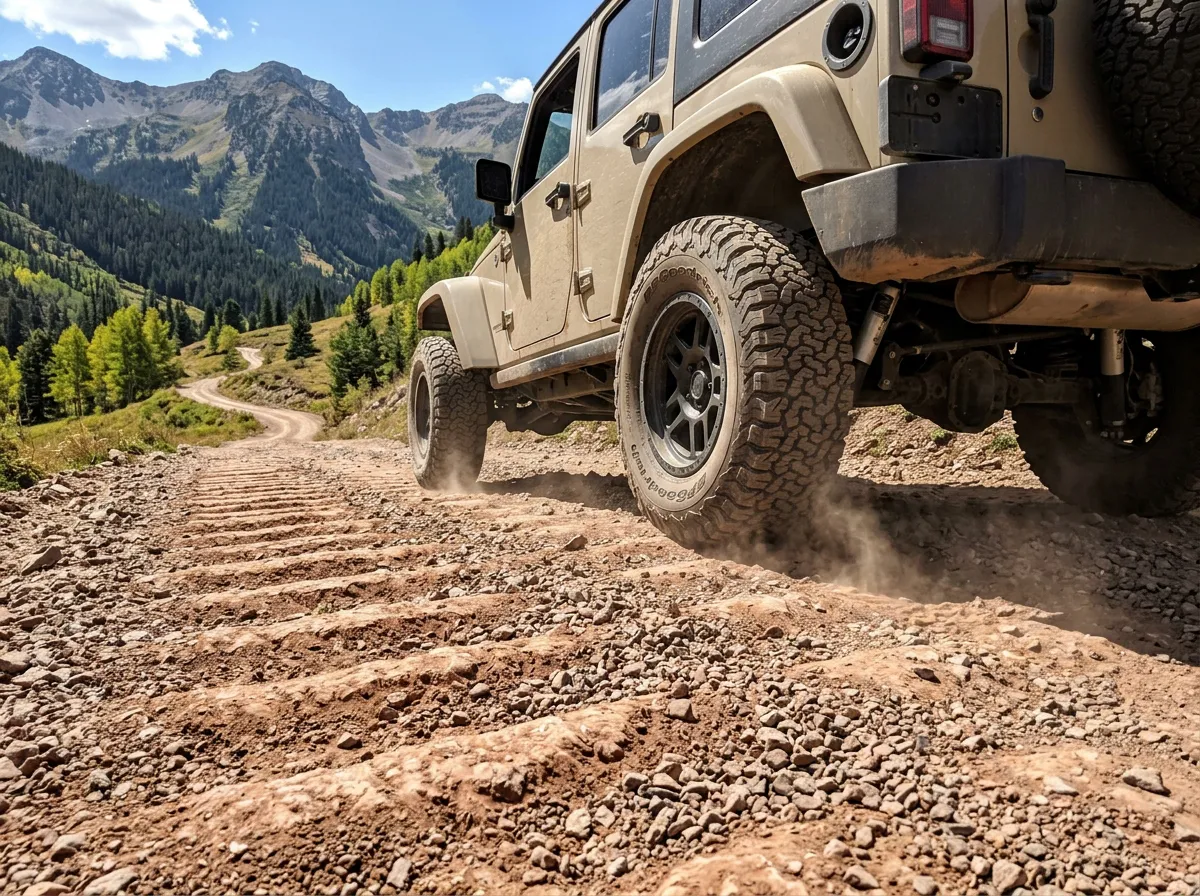
Last Dollar Road is primarily a dirt and gravel mountain road. It's not a highway. It's not a paved surface. It is, however, a maintained route where significant traffic passes regularly. The road surface ranges from well-packed dirt to loose gravel depending on recent maintenance and weather.
Distance for the complete Last Dollar Road traverse is approximately 16 miles from one end to the other. Driving time varies between 45 minutes to two hours depending on how often you stop for views and how carefully you drive. This isn't a rushing drive. Speeds typically range from 15-30 mph depending on road conditions.
Elevation profile shows continuous climbing from the starting point until you reach the highest point around mile 8-10, then consistent descent on the other side. Total elevation gain approaches 2,000 feet from bottom to top. The climb isn't brutal because it's gradual. The descent is manageable because the grade isn't extreme.
Surface types along Last Dollar Road include:
Packed dirt sections that are well-maintained
Gravel areas where loose rock requires careful traction
Some washboard sections that develop in high-traffic areas
Rocky patches where larger stones protrude above the surface
Sand and silt sections, particularly after recent weather
Sections showing recent grading and maintenance
Areas where natural drainage has created minor ruts
Width variations on Last Dollar Road range from relatively generous to tight. Most of the route offers adequate space for two vehicles to pass. Some sections narrow to where meeting another vehicle requires one to pull off into a wide spot. This isn't technical—it just requires awareness and willingness to yield.
Technical difficulty rating for Last Dollar Road is mild to easy. The climb is gradual. The road surface is managed. Obstacles are minimal. A vehicle with good ground clearance and decent traction handles the route without strain. Stock vehicles manage it fine. Modified vehicles have no challenge whatsoever.
Where the actual driving challenge exists includes sections with loose gravel where traction becomes marginal, washboard sections that vibrate the vehicle, and occasional ruts where wheels need to follow existing tracks. None of these create serious technical demands. They just require attention and smooth vehicle control.
The Bottom Line: Last Dollar Road is scenic driving on a mountain road, not technical rock crawling. The driving challenge is managing a gravel mountain pass, not fighting terrain.
The Scenic Experience of Last Dollar Road
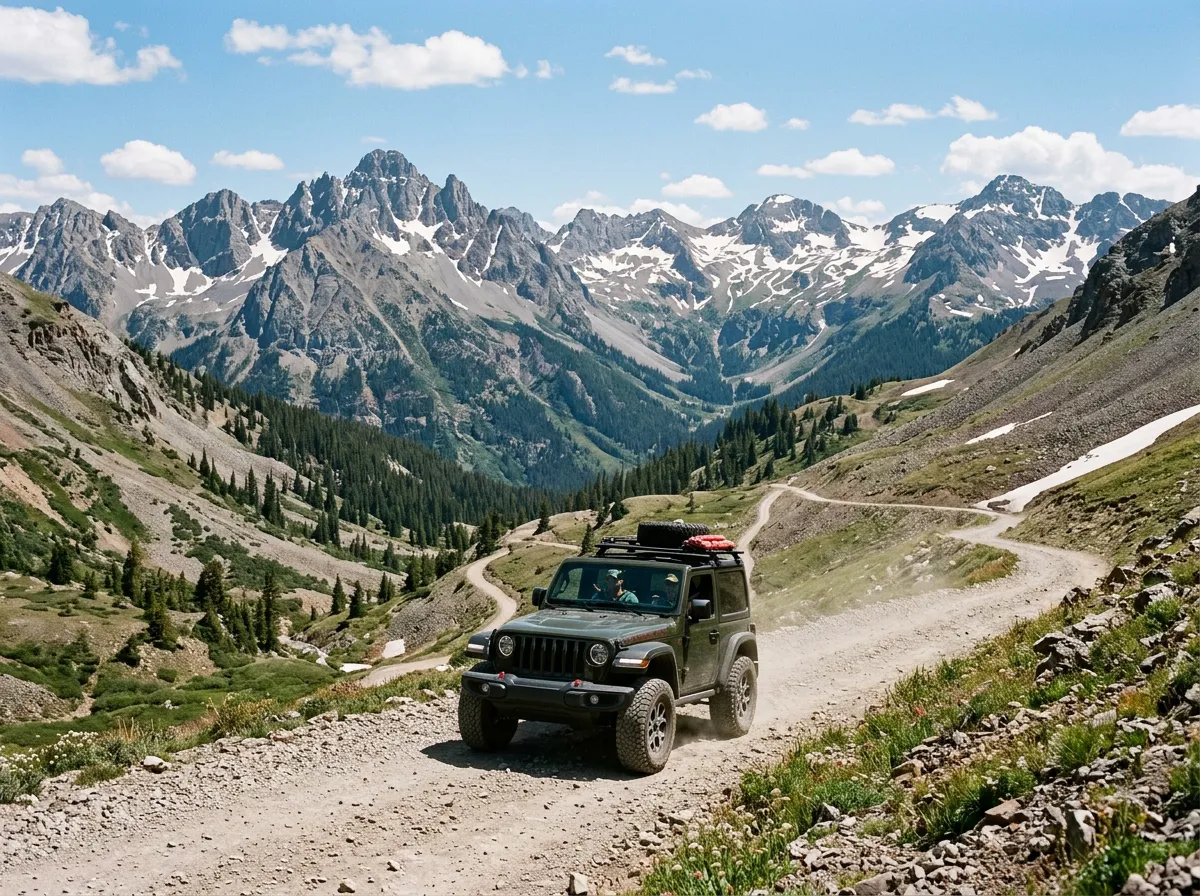
Last Dollar Road's primary draw is the mountain views that accompany most of the drive. The scenic experience begins before you reach the highest elevation and continues throughout. These aren't views you see at the destination. They're views you have constantly as you climb.
Mountain vistas from Last Dollar Road show the San Juan Mountains in their full drama. Surrounding peaks visible from the road include fourteeners and high thirteeners—mountains exceeding 13,000 feet. The valleys below show how the landscape drops away as elevation increases. The distant views show how the mountain range extends in all directions.
The sense of altitude becomes tangible. As you climb Last Dollar Road, the landscape changes. Trees thin. Vegetation shifts from forest to alpine terrain. The air quality changes—visibility at elevation is different from sea level. You feel the altitude in the thinner air and the clarity of vision.
Photography opportunities on Last Dollar Road are legitimate. The views work well for photos. The constantly changing perspective as you drive creates new compositions. Light quality at altitude and in the mountains differs from lower elevation. Golden hour effects are pronounced. Sunrise and sunset light are particularly striking.
Weather effects on scenery include how cloud cover creates drama, how storms visible in the distance add grandeur, how clear days show distances that extend for hundreds of miles. Bad weather that forces you off the road is frustrating. Good weather creates scenery you'll remember.
Why the views matter beyond aesthetic appreciation relates to what mountain landscape does to human awareness. The scale of the mountains, the elevation, the exposed terrain—these create presence that routine driving doesn't require. You're not operating on autopilot. The landscape commands attention.
Remember: Last Dollar Road delivers views throughout the drive, not just at destination viewpoints. That's why people return to this route.
Vehicle Requirements and Capabilities
Last Dollar Road doesn't require extreme vehicle modifications, but some specifications matter. High-clearance vehicles handle it better than low-clearance vehicles. Four-wheel drive provides genuine advantage in certain sections, though two-wheel drive has managed the route in good conditions.
Ground clearance becomes relevant where the road shows washboard or ruts. Vehicles with adequate clearance (8+ inches) clear obstacles that low-clearance vehicles scrape. This isn't about rock crawling capability. It's about clearance for gravel road conditions.
Four-wheel drive advantages on Last Dollar Road include:
Better traction on loose gravel sections
Improved control when wheels encounter ruts
Confidence in washboard sections where vibration can be pronounced
Ability to handle sections after rain or recent weather
Generally smoother driving experience through challenging sections
That said, two-wheel drive vehicles regularly drive Last Dollar Road in good weather conditions. The route isn't steep enough to require four-wheel drive for traction. It's not technical enough to demand power distribution four-wheel drive provides. High-clearance two-wheel drive vehicles manage fine.
Tire considerations include aggressive all-terrain tires performing better than street tires on gravel. The road is managed well enough that street tires can work, but all-terrain tires provide noticeably better grip on loose sections. Tire pressure adjustment—slightly lower pressure on gravel to increase contact patch—helps but isn't essential.
What stock vehicles can handle includes most modern Jeeps, trucks with reasonable ground clearance, and SUVs designed for moderate off-road use. High-clearance vehicles obviously do better than low-clearance sedans. This isn't a trail that requires specialized setup.
Vehicle modifications that are worthwhile but not essential include better tires if you already have poor traction, lift kits if you want additional ground clearance beyond stock, and skid plates if you're concerned about undercarriage protection. None of these are necessary. They're quality-of-life improvements that make the drive smoother or more confident.
Recovery gear for Last Dollar Road is minimal. The road is managed, regularly traveled, and not remote. Basic supplies—jumper cables, tire repair kit, tools, water—are sufficient. This isn't backcountry driving where you're on your own for hours.
Keep In Mind: Last Dollar Road accepts vehicles with less capability than technical trails require. That accessibility is part of why more people can experience the drive.
Difficulty Level and Experience Requirements
Last Dollar Road ranks as easy to moderate on the difficulty spectrum. This is a scenic mountain drive, not a technical trail. Previous off-road experience helps but isn't required. A driver comfortable with mountain driving on paved roads and gravel forest roads can handle Last Dollar Road.
Technical challenge is mild. The road surface occasionally gets loose. Washboard sections develop in some areas. Ruts appear where traffic has concentrated. None of these create serious technical demands. They require smooth vehicle control and attention, but not advanced driving skills.
Scenic challenge is the opposite. The views command attention. The altitude affects how you feel. The exposure becomes apparent. The landscape is engaging in ways that easy technical trails aren't. You're not bored by lack of challenge. You're absorbed by scenery.
Previous experience that helps includes mountain driving on various road surfaces, comfort at altitude, and understanding how your vehicle handles on gravel. You don't need rock crawling experience. You don't need experience with extreme terrain. You need comfort with mountain roads.
Confidence building on Last Dollar Road comes from actually doing it. The first time, the altitude and exposure might feel significant. Repeat drives make you more comfortable. The learning curve is short because the technical demands are modest.
When to attempt Last Dollar Road vs choosing alternatives is straightforward. If you want genuine scenic experience on a mountain drive without technical challenge, Last Dollar Road fits perfectly. If you want technical rock crawling, you need a different trail. If you want high altitude with moderate terrain, Last Dollar Road delivers.
Think of it this way: Last Dollar Road is for drivers who want to enjoy mountain scenery while driving engaging terrain, not for drivers who want to be consumed by technical focus.
Seasonal Variations and Access Windows
Last Dollar Road is accessible during late spring through fall. Snow closes the route in winter. Spring snowmelt can make sections muddy but usually doesn't prevent passage. Summer offers the most reliable conditions. Fall provides excellent weather and crowds diminish compared to peak summer.
Summer conditions represent peak season. June through September offer the best combination of clear weather, open road, and stable conditions. July and August see the most traffic. The views are consistent because weather is generally clear. Monsoon season brings afternoon thunderstorms, but these are usually brief.
Fall driving from September through early October provides excellent conditions. Weather stabilizes. Crowds decrease from peak summer. The temperature is comfortable—cooler than summer but not cold. Snow isn't yet a concern. The scenery gains dimension from fall colors in lower elevations and evergreen forests at higher elevation.
Spring conditions depend on snowmelt timing. Late May and June can work once snow has cleared, but the road might be wet or muddy. Early spring often means the route remains snow-covered or inaccessible. Late spring offers an advantage: fewer people are driving yet. Weather is unpredictable.
Winter closure is standard. Snow and ice make Last Dollar Road inaccessible and dangerous. Avalanche risk in some sections becomes real. The road isn't maintained to winter standards. Don't attempt Last Dollar Road in winter.
Seasonal variations and their effects:
Summer: Clear weather, good traction, crowded conditions
Monsoon season: Afternoon thunderstorms but usually brief
Fall: Ideal conditions, fewer crowds, stable weather
Spring: Unpredictable weather, possible mud/wet conditions
Winter: Snow closure—route inaccessible and unsafe
Weather monitoring before attempting Last Dollar Road matters. Afternoon thunderstorms in monsoon season are brief but can create temporary hazards. Recent rain makes sections muddy. Early season snow can appear unexpectedly. Checking forecasts and road conditions before committing ensures you're driving in conditions you expect.
The Bottom Line: Last Dollar Road has a long safe season. Spring through fall offers options. Fall represents the most reliable optimal conditions.
The Drive: Section by Section
The approach to Last Dollar Road begins at either Highway 62 near Ridgway or Highway 145 near Telluride. Initial sections are relatively gentle—you're climbing but gradually. The road surface quality is typically good on these opening miles. This is where you settle into the drive.
As elevation increases, the landscape changes. Trees thin. Rock outcrops become visible. The road shows more washboard as it climbs. These opening miles are establishing the theme: you're moving toward altitude, the views are improving, and the terrain is becoming increasingly mountain-like.
Climbing sections show continuous elevation gain. The grade is steady rather than steep. You're ascending almost without realizing it. The view of surrounding peaks increases as you gain elevation. Visibility extends. The sense of climbing through landscape becomes apparent.
Scenic viewpoint locations appear at natural spots along the route. The highest elevation section of Last Dollar Road offers the most dramatic views. From this vantage point, you see across valleys and toward distant peaks. The exposure is apparent—you're elevated above the valleys, surrounded by mountains, at a place where the landscape is visible for great distances.
Technical sections, when they appear, are minor. Occasionally a washboard section demands smooth driving. Loose gravel requires gentle throttle control. Ruts might need careful line selection. These sections pass quickly. They're part of the drive but not the focus.
The highest point on Last Dollar Road marks the turning point. From here, the road descends. The initial impression is usually relief—the climbing is complete. The second impression is usually regret—you were enjoying the climbing because it was taking you through engaging terrain.
Descent sections are manageable. The grade isn't steep enough to create brake strain. Loose gravel on downhill sections requires careful speed control. The views don't diminish as you descend. You're leaving elevation but descending through scenery the entire time.
Exit terrain on the lower end of Last Dollar Road shows transition from high alpine back to lower elevation forest. The landscape opens slightly. Trees become larger. You're moving into valleys, leaving the elevated ridge terrain.
Final impressions of Last Dollar Road usually include a sense of having experienced something worthwhile. The views delivered on their promise. The drive was engaging but not stressful. You accomplished the route without drama. That straightforward success is why people repeat this drive.
Remember: Last Dollar Road rewards paying attention to the scenery and the driving. You're not fighting terrain, so you can actually enjoy it.
Safety and Road Hazards
Weather changes at altitude on Last Dollar Road are real. Temperature drops as you climb. Weather patterns shift rapidly at elevation. Clear conditions at the base can mean clouds at the top. Afternoon thunderstorms can develop quickly during monsoon season. Wind increases with elevation.
Exposure and drop-off concerns exist on Last Dollar Road, though this isn't a trail with extreme exposure. Some sections offer views of valleys below. Some areas have exposed edges where you don't want to leave the road. This requires normal mountain driving attention, not extreme focus.
Vehicle mechanical stress at elevation includes engine performance changes as air thins. Your vehicle produces less power at 10,000 feet than at sea level. Cooling system stress increases. These effects are noticeable but manageable on Last Dollar Road because the climb is gradual and the route doesn't demand extreme power.
Communication on Last Dollar Road is generally good. Cell service works in most areas. You're not in remote backcountry. If issues arise, help is available through cell phone communication.
Passing concerns on Last Dollar Road exist where sections narrow. Meeting oncoming vehicles in tight sections requires yielding into wide spots. This is manageable because traffic volume is typically low. Drive defensively and yield when necessary.
Weather conditions that warrant turning back include heavy rain that makes the road impassable, afternoon thunderstorms that develop while you're at elevation, snow that appears unexpectedly in spring, or wind that becomes unsafe. Turning back isn't defeat. It's wisdom.
Vehicles meeting on Last Dollar Road sections that are narrow:
Communicate early and clearly
Yield into wide spots
Move slowly and carefully
Watch for your vehicle's width
Don't assume you'll fit if it looks close
Safety decisions on Last Dollar Road require calm assessment. The route is generally safe. It demands the same attention you'd give any mountain road. That's sufficient.
Think of it this way: Last Dollar Road is safe driving on a mountain road. Standard mountain driving attention is adequate.
Preparation and Essential Gear
Vehicle maintenance before Last Dollar Road includes checking all fluid levels, verifying battery condition, testing brakes, checking tire condition and pressure, and ensuring windshield wipers are functional. Most preparations are standard vehicle maintenance rather than specialized equipment.
Fuel considerations matter because services aren't available on Last Dollar Road itself. Start with a full tank or most of a tank. The route doesn't consume excessive fuel, but having fuel security is peace of mind.
Water and hydration for the drive should include at least two liters per person. Altitude increases fluid needs. The drive takes 1-2 hours depending on stops. Bring enough water.
Navigation tools for Last Dollar Road include a map of the area (most phones can access offline maps), GPS device or smartphone with offline capability, and familiarity with starting from Highway 62 or Highway 145. The route is well-marked, but knowing where you are matters.
Food and energy for Last Dollar Road should include snacks if the drive is more than an hour or so. Sandwiches or energy food help maintain energy. Bring actual nutrition, not just candy.
Proper clothing for Last Dollar Road altitude includes:
Light layers you can remove as you warm up driving
Long sleeves for sun protection and temperature variation
Pants rather than shorts
Proper footwear if you plan to stop and walk around
Wide-brimmed hat and sunglasses
Sunscreen for exposed skin
Light jacket for temperature drops at elevation
Photography gear if you're planning photos should include whatever camera equipment suits your needs. Phone cameras work fine for most photography. Better cameras and lenses produce better results. Tripods help for sunset or sunrise shots if you plan to stay at viewpoints.
Emergency supplies and first aid should include basic first aid kit, pain medication, any personal medications, basic tools, jumper cables, tire repair kit, flashlight or headlamp, and emergency contact numbers.
Keep In Mind: Last Dollar Road preparation is straightforward. Standard vehicle maintenance and sensible gear are adequate. This isn't an expedition.
Best Times and Planning Your Visit
Last Dollar Road works best during fall—September and early October. The weather is stable, crowds are lower than summer, and conditions are ideal.
Summer driving is reliable but crowded. July and August see more traffic. If you prefer fewer vehicles on the road, drive outside peak summer.
Time of day considerations include morning starts offering better light quality for photography. Afternoon starts risk hitting monsoon thunderstorms in peak season. Late afternoon offers golden hour light for photography but might push completion into evening.
Weather monitoring before committing is essential. Check forecasts for the Last Dollar Road area. If thunderstorms are predicted, start early and plan to finish before afternoon weather develops. If rain is expected, verify that conditions won't make the road impassable.
Nearby accommodations include Telluride (tourist town with full services), Ridgway (smaller town with basic services), and Ouray (small mountain town with services). Plan lodging in advance during peak season.
How Last Dollar Road combines with other activities includes driving it as part of a larger trip exploring the San Juan Mountains. You might combine it with visits to Telluride, time in Ouray, hiking on other routes, or exploring additional Forest Service roads in the area.
Multi-day trip planning in the region might structure as follows:
Day one: Arrive and explore lower elevations
Day two: Last Dollar Road and scenic exploration
Day three: Additional drives or hiking activities
Day four: Departure or continued exploration
Solo driving on Last Dollar Road is safe and straightforward. You don't need a group. Group driving is fine but doesn't add safety considerations beyond those on any shared road.
The Bottom Line: Last Dollar Road is accessible during much of the year. Fall offers optimal conditions. Flexibility about timing allows you to find conditions and crowds that match your preference.
The Experience and What Last Dollar Road Delivers
Driving through mountain scenery at high altitude creates a specific kind of awareness. You're present in your vehicle and in the landscape simultaneously. The views demand attention. The drive requires focus. The combination creates an engaged driving experience.
What high-altitude driving actually feels like includes noticing the air thinner at elevation, feeling the cooler temperature, experiencing the clarity of vision that altitude provides, and becoming aware of the altitude in your body. Some people feel these effects strongly. Others barely notice. Both experiences are normal.
The physical sensation of altitude and thin air includes slightly increased breathing rate, noticing that exertion is harder at elevation, and the crisp air quality. If you have altitude sensitivity, Last Dollar Road's 10,000-foot elevation might prompt mild symptoms. Taking it slow and hydrating well helps.
The visual experience of mountain scenery includes seeing landscape at scales that routine life doesn't offer. The mountains are enormous. The valleys are vast. The vistas extend for miles. This scale affects human perception. It creates perspective that's genuinely different from lowland scenery.
Why views from a moving vehicle differ from stationary viewing relates to the constant change of perspective. The landscape shifts as you move. Views appear and disappear. The sense of movement through space is part of the experience. Stopping at a viewpoint captures a single moment. Driving through offers continuous changing experience.
Clarity that comes from driving engaging terrain without extreme technical stress includes presence without anxiety. You're concentrating but not white-knuckling. The drive is engaging but not overwhelming. That balance creates a kind of mental clarity where the driving absorbs attention but doesn't consume it.
Connection between effort and reward on Last Dollar Road is straightforward. You're not struggling through technical terrain hoping views appear at the end. The effort of climbing is modest. The reward of views is immediate and sustained. That ratio of reasonable effort to significant reward is satisfying.
What makes Last Dollar Road memorable relates to the combination of accessibility and genuine scenic experience. This isn't a difficult drive. It isn't a challenging technical route. It's a straightforward drive through dramatic mountain scenery. That simplicity is part of why people remember it.
Remember: Last Dollar Road delivers what it promises—mountain scenery and a drive that lets you actually enjoy it.
Comparing Last Dollar Road to Similar Routes
Last Dollar Road differs from other San Juan Mountain drives in its accessibility. Routes like Cinnamon Pass or Engineer Pass require more technical skill. Last Dollar Road is for drivers who want scenery without rock crawling.
How it differs from other scenic routes includes that Last Dollar Road is a legitimate driving route on a maintained road, not a highway. Other scenic drives might be paved. Last Dollar Road is gravel and dirt but well-maintained. That distinction matters for vehicle choice and driving style.
View quality compared to other routes is genuinely high. Last Dollar Road delivers sustained scenic experience. Not all mountain drives offer views consistently throughout. This one does.
Effort required versus rewards delivered on Last Dollar Road is a favorable ratio. You're not straining through technical challenges. You're enjoying sustained views. That balance makes this drive accessible to a wider range of drivers.
Who finds Last Dollar Road most rewarding includes drivers who love mountain scenery but don't want extreme technical challenge, families who want engagement without fear, photographers seeking mountain views without technical stress, and experienced drivers who appreciate straightforward scenic driving.
Think of it this way: Last Dollar Road is for drivers who prioritize the scenery experience over the technical challenge experience.
Combining Last Dollar Road with Other Activities
Last Dollar Road works as a standalone drive or as part of larger exploration. If you're visiting Telluride, Last Dollar Road extends your mountain experience. If you're exploring multiple San Juan drives, Last Dollar Road can anchor a multi-day trip.
Hiking opportunities in the area include trails from various access points. Some people drive Last Dollar Road, then hike from viewpoints. The combination of driving and hiking extends the experience.
Photography planning might structure around light conditions. Sunset light from viewpoints along Last Dollar Road is particularly striking. Sunrise light has different character. Planning your timing around photography opportunities enhances that experience.
If you're renting a Jeep from Cliffhanger for Last Dollar Road exploration, we can help you select the right vehicle for your planned drives and ensure you're comfortable with vehicle systems before you head into the mountains.
Other San Juan Mountain drives that combine well with Last Dollar Road include Ophir Pass, Cinnamon Pass (for more technical driving), or various Forest Service roads in the area. Multi-day trips combining several drives are popular.
Keep In Mind: Last Dollar Road is rewarding as a single drive or as part of larger trips. Either approach works well.
Closing Thoughts on Last Dollar Road
Why Last Dollar Road remains popular despite being well-known comes down to consistent delivery. People drive it, experience the mountain views, and understand why the route warrants repetition. It doesn't need to be a secret to be rewarding.
Respect for mountain environment and road conditions ensures future access. Drive conservatively. Don't leave traces. Leave the road as you find it. The mountains and the road depend on respectful use.
The value of straightforward scenic experiences shouldn't be underestimated. Not every drive needs to be technically challenging to be worthwhile. Experiencing mountain scenery in a landscape that's genuinely beautiful is legitimate value.
Making conservative decisions about weather and capability means checking forecasts, turning back if conditions threaten, and choosing different routes if weather looks uncertain. Those conservative decisions are wisdom, not cowardice.
Connection between planning and successful experience on Last Dollar Road is straightforward. Plan your timing, prepare your vehicle, bring appropriate gear, and you'll have a rewarding drive. Poor planning creates disappointment. Good planning creates good memories.
Encouragement to attempt Last Dollar Road with proper preparation comes from recognition that this drive is genuinely accessible. You don't need extreme skill. You don't need specialized equipment. You need reasonable vehicle capability and sensible preparation. If those are in place, the drive rewards that investment.
Last Dollar Road delivers what it promises: mountain scenery and the opportunity to drive through it. That straightforward value is why people return to this route repeatedly.
If you're planning to rent a Jeep from Cliffhanger for Last Dollar Road or other San Juan Mountain exploration, contact us and we'll make sure you have the right vehicle for your plans and understand everything you need for a safe, rewarding drive.