Understanding Cinnamon Pass Colorado
Cinnamon Pass Colorado sits in the San Juan Mountains near Lake City, Colorado. It's a high alpine pass that demands respect. This isn't a scenic drive where you cruise and enjoy views. This is a technical Jeep trail where your vehicle's capability, your driving skill, and your decision-making directly determine whether you reach the summit or turn back.
Cinnamon Pass Colorado elevates to approximately 12,640 feet. That's altitude where the air is thin, engine performance drops noticeably, and the landscape becomes genuinely remote. The terrain includes steep climbing, tight switchbacks, narrow sections, and terrain that forces you to think about line selection and vehicle placement.
What makes Cinnamon Pass Colorado different from easier Colorado passes is that it's unforgiving. There's no room for hesitation or mistakes. The terrain dictates what's possible. Your vehicle either has the clearance and capability, or it doesn't. You either have the skill to handle it, or you end up stuck or damaged.
This guide walks through what Cinnamon Pass Colorado actually involves. It explains what you need to prepare, what to expect when you're driving, what skills matter, and honestly assesses whether this drive fits your situation. This isn't marketing speak about how amazing it is. This is real talk about a challenging high alpine drive that delivers genuine accomplishment if you're ready for it.
Cinnamon Pass Colorado: Location and Baseline Facts
Cinnamon Pass Colorado sits in the heart of the San Juan Mountains, roughly 40 miles northeast of Lake City, Colorado. The pass itself reaches 12,640 feet elevation. The approach roads climb from lower elevations, which means you're gaining significant altitude during the drive. The terrain spans approximately 10-12 miles of serious driving depending on your exact route and starting point.
The pass has genuine historical significance. It was used during mining operations in the 1800s. The road reflects that history—it's rough, it's steep, and it hasn't been extensively modernized. That's part of its appeal and part of what makes it challenging. This isn't a maintained highway. It's a mining road that's functional but demanding.
Basic Cinnamon Pass Colorado specifications:
Elevation at the pass: 12,640 feet
Starting elevation (Lake City area): approximately 8,600 feet
Total elevation gain: roughly 4,000 feet over the drive
Distance: approximately 10-12 miles depending on route
Typical drive time: 3-5 hours depending on conditions and driver skill
Surface: rough mining road, rocky terrain, some dirt sections
Best season: late June through September
Closure period: winter (October-May typically impassable)
The landscape tells a story. You're driving through high alpine terrain where trees thin and disappear. Views expand as you climb. The rock formations change color as you gain elevation. The air gets noticeably thinner. Your vehicle's engine works harder. Everything changes when you push into genuinely high altitude.
Keep In Mind: Cinnamon Pass Colorado isn't a hidden gem waiting to be discovered. It's a known challenge that's earned its reputation. People attempt it specifically because it's difficult.
Why Cinnamon Pass Colorado Demands Respect
Cinnamon Pass Colorado separates serious Jeep drivers from casual ones. This isn't because it's meant to be exclusive or because difficulty is inherently good. It's because the terrain itself demands certain capabilities. Your vehicle needs them. Your skill needs them. Your judgment needs them.
The terrain includes multiple technical sections. There are steep climbs where traction matters and line selection is critical. There are switchbacks where turning radius and vehicle control determine whether you make the corner cleanly or get stuck. There are narrow sections where one wrong move means damage or recovery situations. There are descents that are steeper going down than going up, which creates different driving dynamics.
What separates Cinnamon Pass Colorado from easier Colorado passes:
Sustained technical terrain rather than occasional challenging sections
Multiple steep sections that test vehicle capability and driver skill
Narrow passages that leave no margin for error
Altitude that affects both body and engine performance
Remoteness that makes recovery expensive and complicated
Weather that can change rapidly and make driving conditions treacherous
No maintained road, no cell service, no quick exit if things go wrong
Why experience matters on Cinnamon Pass Colorado isn't judgment. It's practical safety. A driver who's tackled multiple technical trails before has developed skills that matter here. A driver attempting this as their first serious trail faces learning curves that could become dangerous.
The kind of terrain you'll encounter includes slickrock sections, steep grades, loose rock, tight switchbacks, and sections where vehicle placement is extremely precise. Some sections have exposure—drop-offs where going off the trail means serious consequences. Some sections are so tight that you need passengers to spot you and guide your placement.
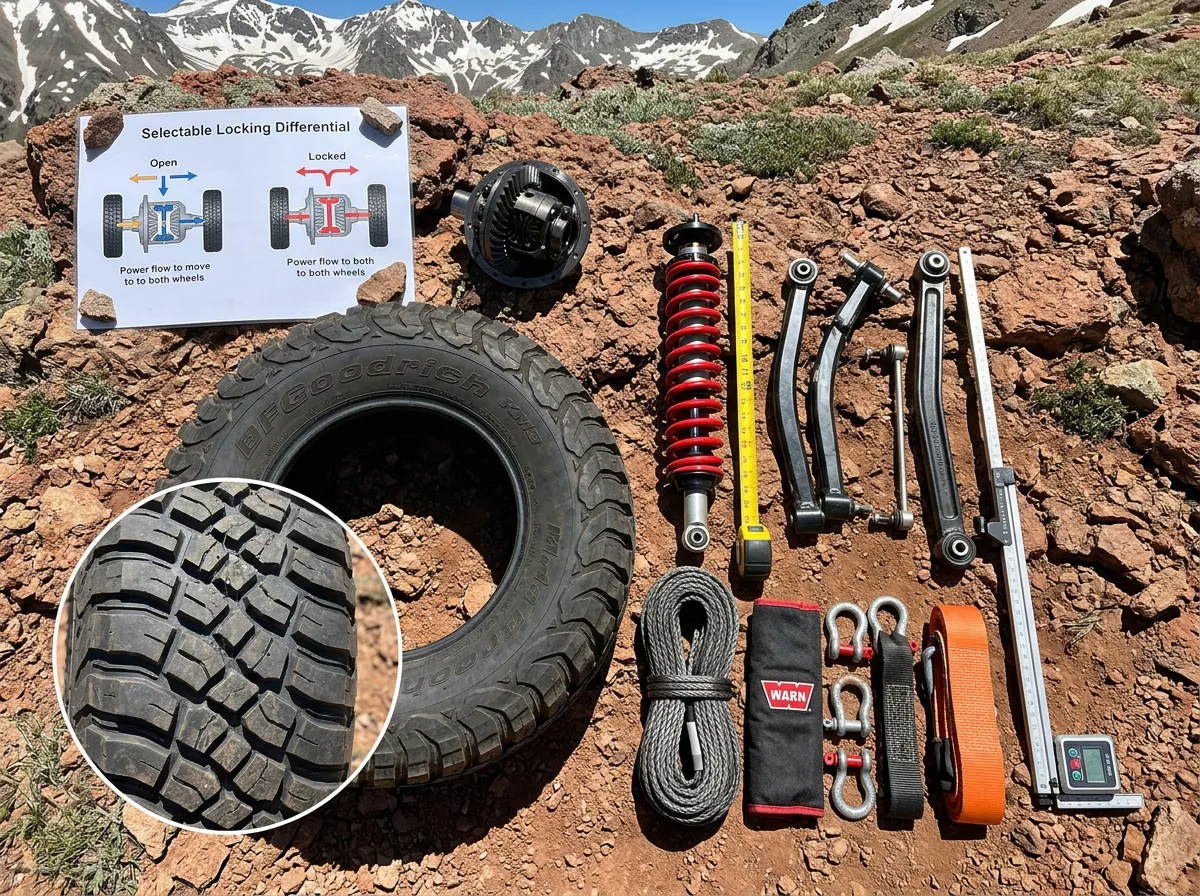
What vehicle capability is actually needed is legitimate 4x4 capability with locking differentials, high ground clearance, good tires with aggressive tread, and a suspension system that can handle rough terrain. A stock Jeep Wrangler with street tires doesn't cut it. You need a vehicle that's been set up for serious terrain.
Remember: Cinnamon Pass Colorado respects preparation and skill. It doesn't care about ego or bravado. Push beyond your actual capability and it will punish you.
Vehicle Requirements for Cinnamon Pass Colorado
This pass isn't the place to learn your vehicle's limits. You need to know before you arrive what your Jeep can and can't do. You need to understand its geometry, its ground clearance, its breakover angles, and how it responds to extreme terrain.
A capable 4x4 for Cinnamon Pass Colorado requires these specifications:
Locking differentials (front and rear) for traction control
High ground clearance (at least 10 inches, preferably more)
Aggressive tread tires designed for rock terrain
Durable suspension that can handle rough terrain without bottoming out
Strong frame and bumpers to handle impacts
Adequate cooling system for sustained climbing
Good approach and departure angles to clear obstacles
Tire selection matters significantly. Street tires or all-terrain tires designed for highway use won't perform on Cinnamon Pass Colorado's rocky terrain. You need tires with aggressive lugs designed for rock crawling. Tire pressure adjustment also matters—lower pressure on the rocks increases traction, but you need to know how to manage this and re-inflate for highway driving.
Ground clearance demands on Cinnamon Pass Colorado aren't theoretical. There are sections where your vehicle's belly is genuinely at risk. Rock ledges that seem passable until you're straddling them. Steep grades where your rear end hangs over empty space. These aren't places where you discover your vehicle doesn't have adequate clearance. You know beforehand.
Recovery gear and why it matters is practical. If you get stuck on Cinnamon Pass Colorado, professional recovery takes hours and costs thousands. Self-recovery with winches, straps, and shackles means you can get yourself out. This isn't optional equipment. It's essential.
Engine performance at extreme altitude on Cinnamon Pass Colorado means your engine produces roughly 30% less power than at sea level. Steep grades feel steeper. Acceleration is sluggish. Your cooling system works at maximum capacity. You're pushing your vehicle physically in ways that matter. Pushing beyond appropriate limits causes mechanical failure.
What happens when preparation is lacking includes getting stuck, mechanical failure, overheating, damage from underestimating terrain, and potentially needing expensive professional recovery in a remote location. None of this is theoretical. It happens regularly to unprepared drivers on Cinnamon Pass Colorado.
Think of it this way: Preparation for Cinnamon Pass Colorado isn't optional. It directly determines whether your experience is challenging-but-rewarding or dangerous-and-expensive.
Trail Conditions and Seasonal Variations on Cinnamon Pass Colorado
Cinnamon Pass Colorado is only safely drivable during a limited window. Attempting it outside that window doesn't make you tough. It makes you unprepared.
Summer conditions represent the best opportunity to drive Cinnamon Pass Colorado. July and August typically offer the most stable weather and snowmelt has cleared the high elevations. This is when most people attempt the pass. Conditions are still challenging, but they're manageable. Afternoon thunderstorms are possible, so starting early matters. The road is rough and technical regardless of season.
Fall weather begins changing conditions. September can work if conditions are right, but the window is closing. October typically means snow at higher elevations and weather unpredictability. Most people stop attempting Cinnamon Pass Colorado by October.
Winter closure isn't a suggestion. It's a reality. Snow, ice, and avalanche danger make Cinnamon Pass Colorado impossible for normal vehicles from October through May. The pass simply isn't accessible. Attempting it in winter is genuinely dangerous.
Spring conditions show melting snow and runoff. The road might be partially passable by May, but it's still rough and conditions are unstable. Most drivers wait for full summer conditions.
Water crossings on Cinnamon Pass Colorado vary seasonally. Snowmelt creates streams that cross the road. During peak snowmelt in June and July, some crossings can be significant. During established summer, they're usually manageable. Flash flood danger exists during afternoon thunderstorms—water can rise rapidly in high country terrain.
How weather can shift rapidly at altitude on Cinnamon Pass Colorado means you can start in clear conditions and encounter thunder, lightning, and wind in minutes. The temperature can drop 20 degrees in an hour. Visibility can decrease from miles to yards. This isn't dramatic exaggeration. It's high altitude mountain weather. Plan accordingly.
Keep In Mind: Cinnamon Pass Colorado has a short driving season. Miss the window and the pass closes. Attempting it outside that window is genuinely dangerous.
The Drive: What to Expect on Cinnamon Pass Colorado
The Approach and Early Climbing
The drive to Cinnamon Pass Colorado starts relatively straightforward. You're leaving Lake City on maintained roads, gaining elevation gradually. The terrain is still drivable in normal vehicles. As you continue, the road transitions from maintained highway to rougher terrain. The climbing becomes noticeable. Your vehicle's engine is working harder. You're gaining altitude at a pace that your body starts noticing.
This is where you do a final assessment. How does your vehicle feel? Are you comfortable with the pace of climbing? Is the terrain within your actual capability? This is the last easy opportunity to turn back if you're having doubts. Make an honest assessment now rather than committing further and regretting it.
The Technical Climbing Sections
The serious terrain begins as you approach the higher elevations. Switchbacks become tighter. Grades become steeper. The road narrows. Sections appear where you're genuinely on the edge of what's possible. This is where line selection becomes critical. You're thinking about tire placement, vehicle angles, and whether you can make the turn or need to back up and approach differently.
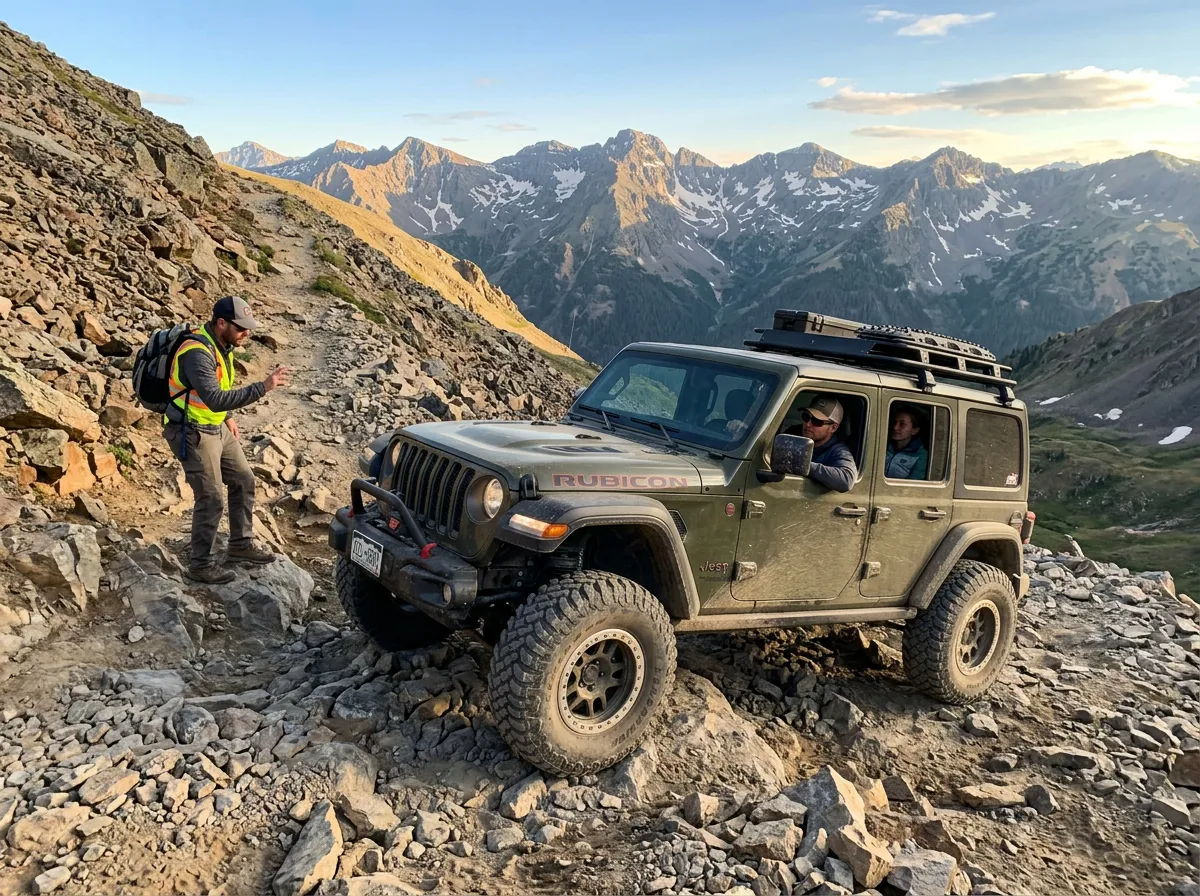
Some sections of Cinnamon Pass Colorado require spotters. If you're traveling solo, you can work through these sections carefully, but it's slower and more stressful. With spotters—passengers who can guide your wheel placement—the sections become more manageable.
The driving demands focus. You're not relaxing or enjoying scenery. You're concentrating on the immediate terrain, your vehicle's response, and what's coming next. This level of engagement is part of what makes Cinnamon Pass Colorado rewarding. You're genuinely present because the terrain demands it.
Views and What They Reveal
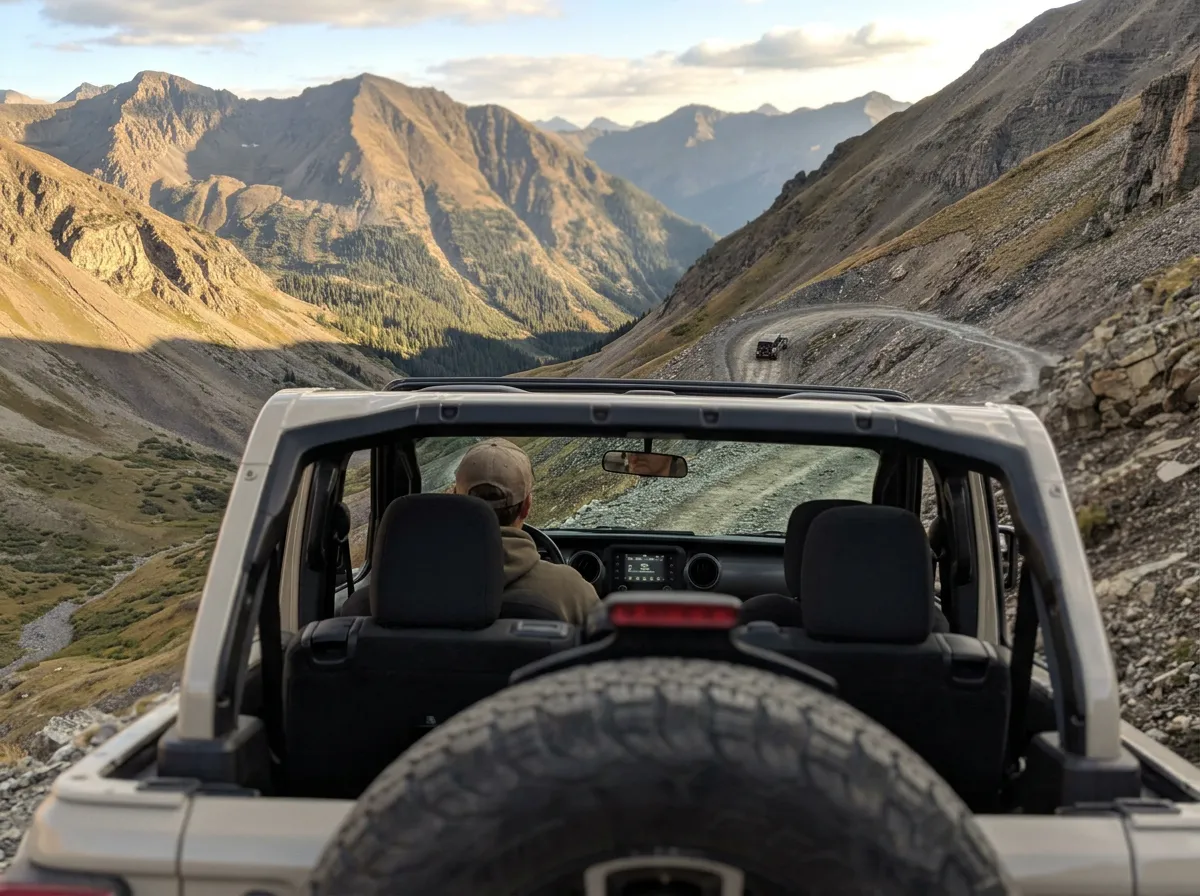
As you climb higher on Cinnamon Pass Colorado, the views expand. You can see down valleys you've climbed through. Peaks surrounding you become visible. The landscape reveals its true scale. This is where the altitude and isolation become real. You're genuinely high in the mountains, far from help, and every mile from population.
These views aren't decoration. They're reminders of where you are and what kind of environment you're driving through. The beauty and the severity are the same thing. The landscape that creates stunning views also creates harsh conditions.
Descent Considerations
Descending Cinnamon Pass Colorado requires different technique than climbing. Steep grades going down are harder to control than climbing them. Brake fade becomes a real concern. Engine braking in low gear becomes your friend. Going too fast on descent causes loss of control or brake failure. This is where restraint matters more than speed.
Some drivers find descent more challenging than climbing. The terrain is the same, but the dynamics are different. Your vehicle's weight working with gravity creates situations where momentum is your enemy. Taking descent slowly isn't weakness. It's appropriate technique.
The Bottom Line: Cinnamon Pass Colorado isn't a continuous white-knuckle experience. But it demands respect, focus, and appropriate technique throughout the drive.
Skills and Experience You Actually Need for Cinnamon Pass Colorado
Technical driving capabilities required for Cinnamon Pass Colorado include understanding line selection—how to position your vehicle to navigate obstacles. It includes understanding breakover angles and how your vehicle's geometry relates to terrain. It includes knowing how to use your vehicle's systems—when to lock differentials, when to use low gear, how to manage power delivery on steep terrain.
These skills aren't intuitive if you haven't practiced them. They're learnable, but they require experience. A driver attempting Cinnamon Pass Colorado as their first serious trail is starting with a massive knowledge gap. That's not judgment. It's just reality.
Decision-making on challenging sections is critical. Looking at a steep grade or a narrow switchback, you need to assess whether your vehicle can make it, whether you have the skill to drive it, and what the consequences are if you misjudge. These assessments happen in seconds. If your assessment is wrong, consequences include getting stuck, mechanical damage, or recovery situations.
When to attempt and when to turn back requires honest self-assessment. A trail you're uncomfortable with at the start of the day becomes genuinely dangerous by day's end when you're tired. Sections that looked possible when dry become treacherous if rain appears. Mechanical issues that seemed minor become serious as you gain altitude and remote access.
What previous trail experience helps includes exposure to slickrock, rock crawling, steep terrain, switchbacks, and high altitude driving. Each type of terrain teaches something that applies to Cinnamon Pass Colorado. A driver who's tackled multiple technical trails has developed reflexes and judgment that matter. A driver attempting this as their first serious trail is learning under pressure in a place where learning mistakes become expensive.
Honest assessment of your capability matters more than ego. It's okay if Cinnamon Pass Colorado isn't your drive. There are plenty of other technical trails. Pushing into terrain beyond your actual skill level doesn't prove anything except that you made a poor decision.
Remember: Experience on Cinnamon Pass Colorado isn't about toughness. It's about having practiced the skills that keep you safe on genuinely technical terrain.
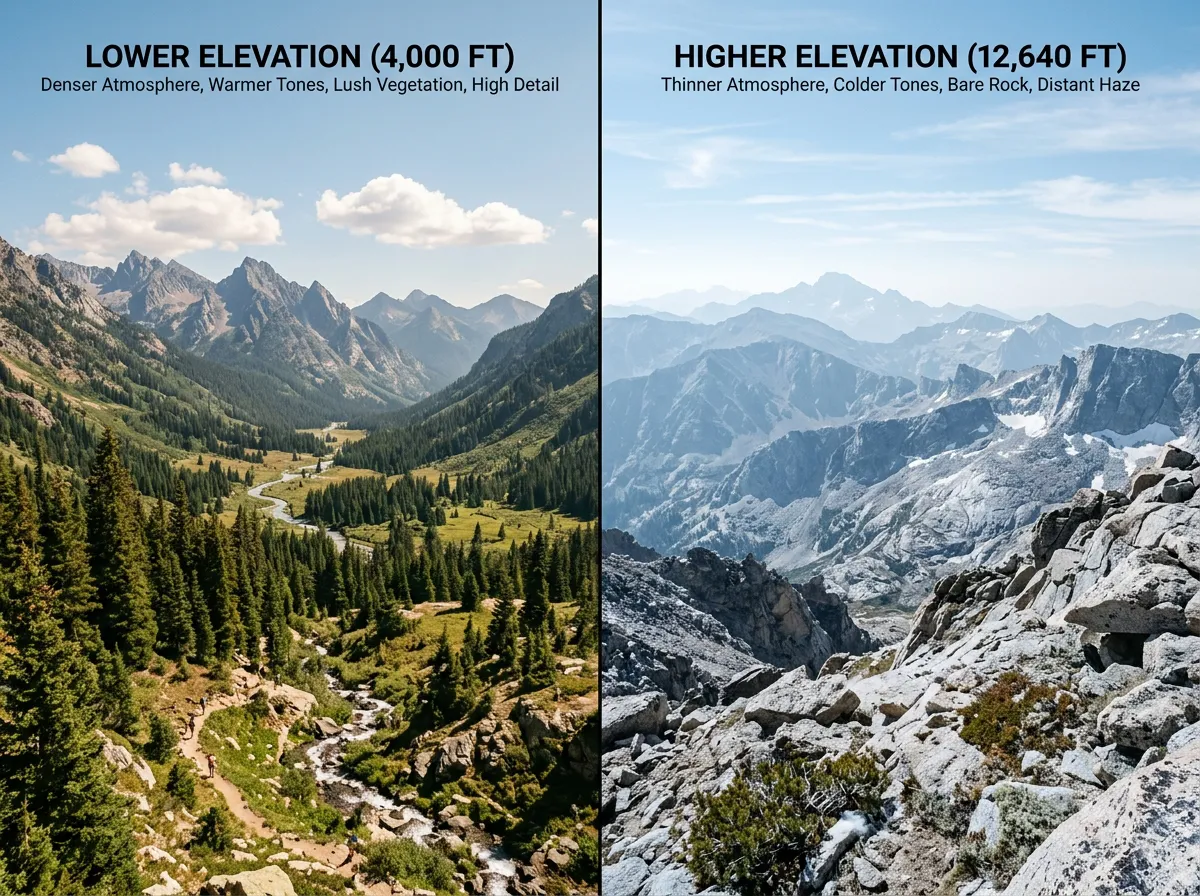
Altitude Effects at Cinnamon Pass Colorado Elevation
Cinnamon Pass Colorado reaches 12,640 feet. That's altitude where the air is genuinely thin. Oxygen availability is roughly 40% less than at sea level. Your body notices immediately. Your engine notices immediately. Everything changes at this elevation.
How high altitude affects your body includes altitude sickness symptoms for some people. Headaches, nausea, fatigue, shortness of breath, and dizziness are common during the first exposure to this elevation. These symptoms are usually mild and resolve with rest and hydration, but they're real. Your body is working harder to extract oxygen from thinner air.
Physical exertion at this elevation is noticeably harder than at lower elevations. A 10-minute hike feels like a 20-minute hike at sea level. Carrying heavy gear becomes more demanding. Simple tasks feel fatiguing. If you're not accustomed to altitude, plan for this. Rest more. Don't push as hard. Hydrate aggressively.
Engine performance changes at Cinnamon Pass Colorado elevation are significant. Your engine produces roughly 30% less power than at sea level. Turbochargers help partially compensate, but the power loss is real. Steep grades that seem manageable at lower elevation become genuinely challenging at 12,640 feet. Your engine is working at maximum capacity on Cinnamon Pass Colorado's steeper sections.
Cooling system demands at altitude are higher because thinner air is less effective at dissipating heat. Your radiator has to work harder. Fans work at maximum. Combined with steep climbing, your cooling system is stressed. Overheating on Cinnamon Pass Colorado is a real hazard. Monitor your temperature gauge. If it climbs higher than normal, descend and let the engine cool.
Oxygen availability at Cinnamon Pass Colorado elevation creates physical sensation different than lower elevations. Breathing feels different. Exertion feels different. If you've never driven at this altitude, expect adjustment. Your body will acclimatize, but it takes time.
Acclimatization timeline if this is your first high-altitude drive means arriving 24 hours early matters. Spending your first night at altitude, hydrating well, and resting helps your body adjust. Attempting Cinnamon Pass Colorado the same day you arrive from sea level is setting yourself up for misery. Give your body time.
Health considerations specific to altitude include avoiding alcohol on your first night (it dehydrates you further), avoiding excessive caffeine (it increases heart rate when your cardiovascular system is already stressed), and paying attention to how you actually feel rather than pushing through serious symptoms.
Think of it this way: Altitude on Cinnamon Pass Colorado affects both your body and your vehicle. Respecting that reality prevents a challenging drive from becoming dangerous.
Preparation and What to Bring for Cinnamon Pass Colorado
A vehicle maintenance checklist before attempting Cinnamon Pass Colorado should include checking all fluid levels—engine oil, coolant, transmission fluid, brake fluid. Check your battery condition (altitude and cold affect battery performance). Check brake condition and brake fluid. Check tire condition and pressure. Check suspension components for damage or wear. Test all four-wheel drive systems. Verify your locking differentials work. Check your spare tire and ensure you have proper tools to change it.
Recovery gear and equipment requirements for Cinnamon Pass Colorado include:
Winch and proper rigging equipment
Recovery straps and shackles
Snatch blocks for mechanical advantage
D-rings or shackle points on your vehicle
Basic tools (socket set, wrenches, screwdrivers)
Jumper cables and battery charger
Tire repair kit and tire plug supplies
Extra fluid (oil, coolant, transmission fluid)
Spare belts and hoses
Duct tape and zip ties
Water and fuel considerations on Cinnamon Pass Colorado mean carrying enough water for your entire group for the full day. You won't find water sources on the pass. Fuel is available in Lake City before you start, but there's nothing between there and the pass. Fill your tank before leaving town. Don't plan on refueling at the pass.
Navigation tools for Cinnamon Pass Colorado include a detailed map of the area, a GPS unit or smartphone with offline maps, and knowledge of the route. The pass itself is marked, but it's remote. Knowing your bailout options and how to navigate back to safety matters.
Communication devices on Cinnamon Pass Colorado are critical because cell service is spotty to nonexistent. A satellite communicator or personal locator beacon gives you emergency communication if your vehicle breaks down. In a remote breakdown situation, this matters.
Emergency supplies and first aid should include a comprehensive first aid kit beyond basic bandages. Include pain medication, altitude sickness medication if you're prone to it, blister treatment, antibiotic ointment, and anything else you might need in a remote location where professional help is hours away.
Food and hydration for a full day on Cinnamon Pass Colorado means bringing lunch and snacks, not planning to stop somewhere. Bring meals with actual calories and protein. Your body is working hard and needs fuel. Bring more water than you think necessary. At altitude, you need more water than at sea level.
Keep In Mind: Preparation for Cinnamon Pass Colorado determines whether your experience is controlled adventure or chaotic emergency.
Safety Considerations Specific to Cinnamon Pass Colorado
Hazards unique to Cinnamon Pass Colorado include exposure—sections where drop-offs create serious consequences for errors. Narrow passages where one mistake means getting stuck or causing damage. Steep grades where brake failure would be catastrophic. Altitude where engine performance is compromised and physical capability is reduced.
Flash flood danger in the high country is real during and after thunderstorms. Washes can fill rapidly. If weather threatens, head down immediately. Don't assume that because you don't see rain directly above you, flooding won't happen. Distant storms create runoff that flows downhill quickly.
Weather management and turning back on Cinnamon Pass Colorado requires acknowledging when conditions exceed your capability. If lightning threatens, descend immediately. If visibility drops to dangerous levels, stop. If wind becomes strong enough to affect vehicle control, descend. Being on Cinnamon Pass Colorado when bad weather hits is genuinely dangerous. Making conservative decisions about weather is being smart, not weak.
Vehicle breakdown response in a remote area means you need to be self-sufficient. Professional recovery is hours away and costs thousands. Basic mechanical capability and recovery gear mean you might solve the problem yourself. Know what you can and can't do. Don't attempt repairs beyond your knowledge. Sometimes the answer is rest and wait for help.
Mechanical issues that are manageable include flat tires (if you have repair supplies), loose connections, minor overheating (stop and let the engine cool). Mechanical issues that require professional help include transmission problems, engine problems, brake failure, frame damage, or suspension damage that prevents driving.
When professional recovery is necessary on Cinnamon Pass Colorado, you're calling from a remote location, waiting for a recovery vehicle to arrive from town, and paying rates that reflect the difficulty and remoteness. This isn't theoretical. It happens regularly. Preventing it through proper preparation and honest assessment of your capability is the goal.
Remember: Safety on Cinnamon Pass Colorado comes from preparation, honest assessment, and conservative decision-making. Not from bravado or pushing limits.
The Experience and What Cinnamon Pass Colorado Delivers
What Cinnamon Pass Colorado reveals about capability is honest and sometimes humbling. You discover what your vehicle can actually do. You discover what skills you have and what skills you lack. You discover how you respond under pressure when conditions demand focus and precision.
The clarity that comes from technical driving is genuine. When you're concentrating completely on navigating terrain, everything else disappears. That kind of presence is rare in daily life. It's part of what makes driving Cinnamon Pass Colorado rewarding. You can't do it while distracted or half-engaged. The terrain won't allow it.
Physical and mental engagement required on Cinnamon Pass Colorado is significant. You're tired afterward in ways that go beyond physical exertion. Your mind has been working hard. Your focus has been sustained. Your decision-making has been continuous. This kind of engagement is satisfying in a way that passive activities aren't.
Why people return to challenge themselves again on Cinnamon Pass Colorado is because the experience stays with you. You proved something to yourself. You handled terrain that scared you. You had moments of uncertainty and chose forward anyway. These experiences create confidence that transfers to other areas.
How this drive compares to other Colorado passes is that Cinnamon Pass Colorado is one of the more technical options. It's harder than Imogene Pass or Black Bear Pass. It's comparable to Engineer Pass or Stony Pass for technical difficulty. It's less extreme than some of the truly difficult passes, but it's definitely in the serious category.
What you learn about your vehicle and yourself includes the reality of your equipment and your capabilities. A stock vehicle surprises you with what it can handle. A well-prepared vehicle reveals itself as capable in ways that matter. And you discover something about your own limits, your judgment, and how you respond when things get genuinely difficult.
The Bottom Line: Cinnamon Pass Colorado doesn't just test your vehicle. It tests you. That's both the challenge and the reward.
Combining Cinnamon Pass Colorado with Other Mountain Drives
If you're renting a vehicle from Cliffhanger for a high-altitude Colorado adventure, Cinnamon Pass Colorado combines well with nearby drives. Engineer Pass is relatively close and offers similar difficulty levels. Animas Forks and other historical mountain locations provide additional experiences. Planning a multi-day trip combining several challenging passes maximizes your preparation and rental time.
Energy management across multiple technical drives matters significantly. If you do Cinnamon Pass Colorado on day one, you're physically and mentally tired for day two. Planning an easier day after Cinnamon Pass Colorado allows recovery. Alternating between technically demanding and slightly easier days maintains energy and keeps the experience enjoyable.
Logistics and timing for ambitious itineraries means starting early, managing daylight carefully, and having backup plans if weather forces changes. Mountain weather can close passes suddenly. Having alternative routes and flexible timing prevents being trapped or forced into dangerous driving conditions.
Where to stay and access points near Cinnamon Pass Colorado include Lake City as the main town. Camping options exist in surrounding areas. Planning accommodation before you arrive prevents last-minute scrambling. If you're renting a Jeep from Cliffhanger to tackle Cinnamon Pass Colorado and surrounding terrain, we can help you plan a trip that combines multiple experiences. Contact us and we'll work through logistics that make sense for your skill level and timeframe.
Closing Thoughts on Cinnamon Pass Colorado
Understanding Cinnamon Pass Colorado and respecting what it demands changes your approach entirely. This isn't a drive to attempt lightly or casually. It's a drive that rewards genuine preparation and punishes shortcuts. That's not unfair. That's just how genuinely technical terrain works.
Why preparation and respect matter more than ego comes down to practical safety. You can be courageous and still make conservative decisions. You can be committed and still acknowledge when conditions exceed your capability. You can push your limits intelligently rather than recklessly.
Connection between challenge and genuine experience is real on Cinnamon Pass Colorado. Easy drives are nice. Challenging drives that demand your full presence create experiences that stick with you. The clarity that comes from being fully engaged with difficult terrain has value beyond just checking a box.
Honest assessment of whether this drive fits your situation means answering difficult questions. Do you have the vehicle capability? Do you have the driving experience? Do you have the recovery gear? Are you accustomed to high altitude? Can you read terrain and make appropriate decisions? If the answer to most of these is no, Cinnamon Pass Colorado isn't your drive. That's not a failure. That's wisdom.
If you've already driven multiple technical trails and you're comfortable at high altitude and you have a properly equipped vehicle and you're honest about your capabilities, Cinnamon Pass Colorado might be exactly the challenge you're looking for. The drive demands respect, but it delivers genuine accomplishment.
If you're considering renting a capable vehicle to attempt Cinnamon Pass Colorado and need guidance on what vehicle makes sense and what preparation actually matters, Cliffhanger can help. We've worked with countless drivers on challenging Colorado terrain. We know what works and what doesn't. Reach out and let's talk through whether Cinnamon Pass Colorado fits your trip and how to prepare appropriately.
The mountains respect preparation. Cinnamon Pass Colorado is no exception.