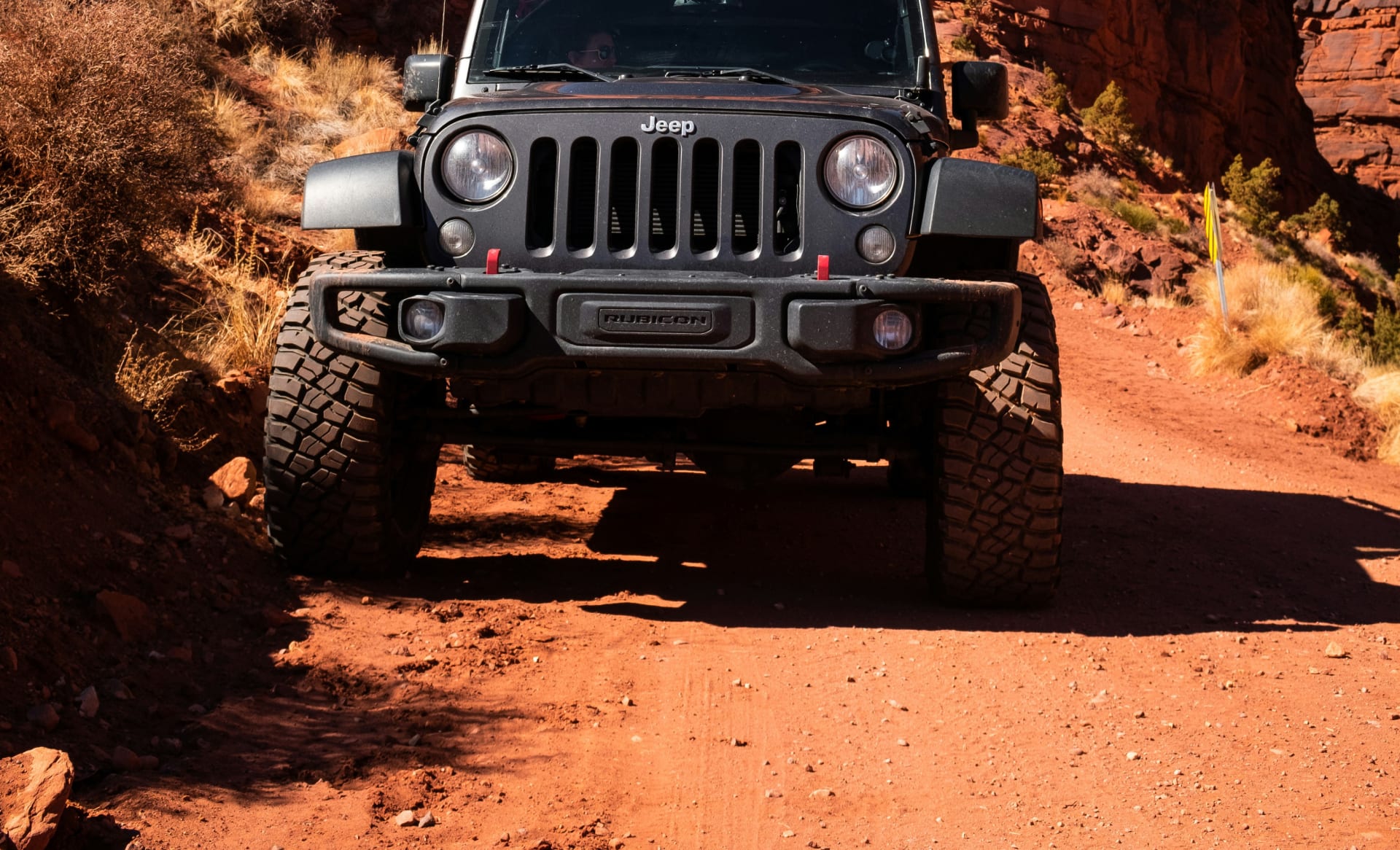
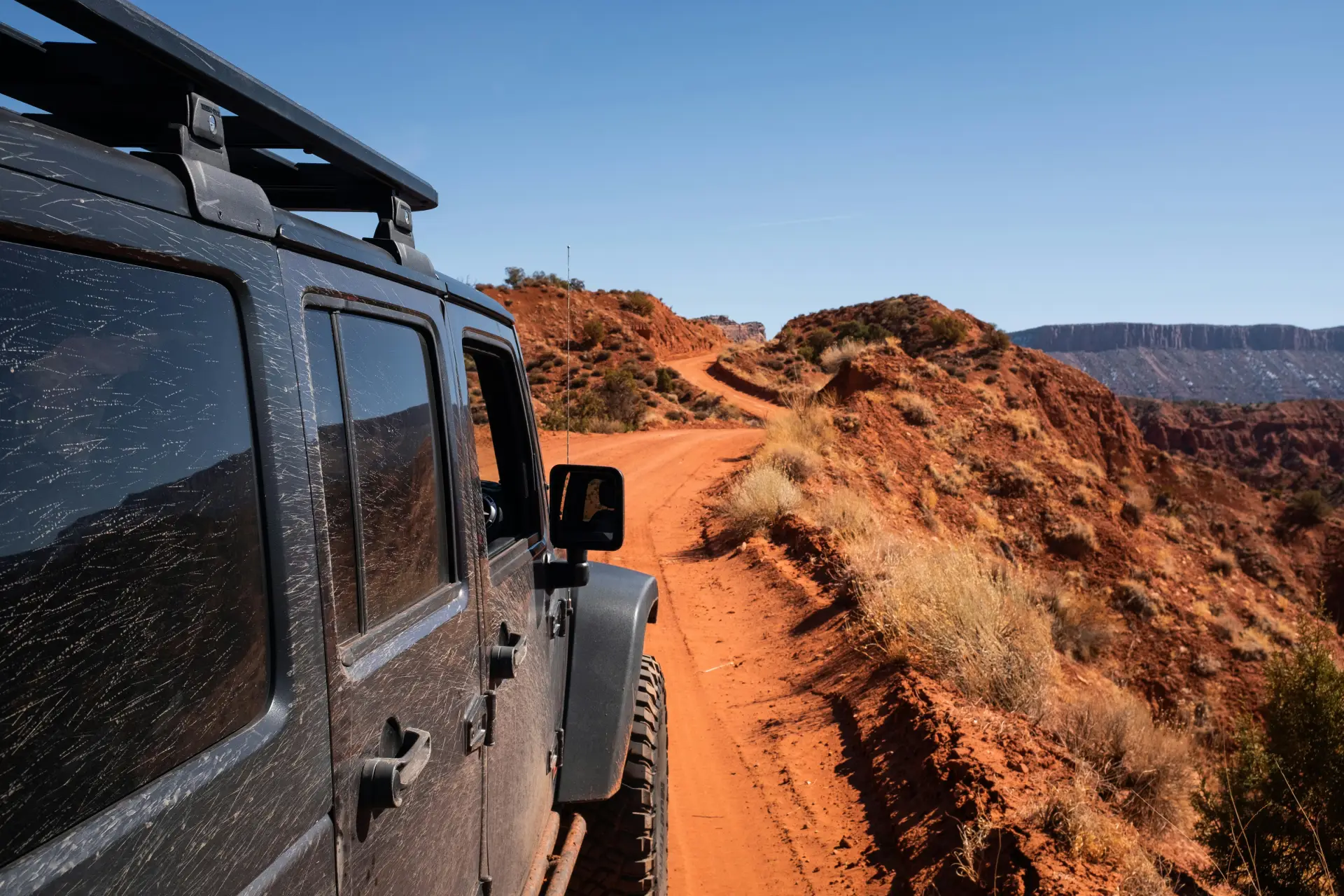
Here's what the glossy travel brochures conveniently omit when promoting what to do in Moab: the 127 annual vehicle recoveries averaging $1,847 each, the afternoon temperatures exceeding 110°F that transform "moderate" trails into genuine endurance tests, and the harsh reality that "4WD" badges on rental SUVs don't automatically qualify tourists for terrain that tests professional off-road operators.
Moab isn't just another scenic destination where enthusiasm substitutes for capability—it's 84,899 square miles of geological formations that separate properly equipped adventurers from overconfident tourists who mistake accessibility for difficulty. The difference between experiencing Moab's legendary trails confidently versus constantly worrying about vehicle damage fundamentally changes the entire adventure.
The numbers tell an uncomfortable story: Arches National Park reached capacity 73 times during the 2024 season, forcing visitors away at noon when daytime temperatures made hiking dangerous anyway. Meanwhile, Moab's true treasures—the slickrock trails, technical 4x4 routes, and backcountry adventures—remain accessible to those who arrive with appropriate equipment and realistic expectations about what "moderate difficulty" actually means in Utah canyon country.
Understanding What Really Makes Moab Legendary
The question "what to do in Moab" generates approximately 89,000 monthly searches from people planning visits to southeastern Utah's outdoor recreation capital. Most of those searches lead to generic listicles recommending the same overcrowded attractions that define tourist Moab—sunrise at Delicate Arch, afternoon crowds at Mesa Arch, and rental cars attempting trails designed for modified 4x4 vehicles.
But Moab's genuine character exists beyond the timed-entry systems and parking lot waits. The city built its reputation on terrain that demands technical off-road capability, not on accessible viewpoints reachable by sedan.
The Moab Most Visitors Never Experience
Real Moab reveals itself through:
Legendary slickrock trails – Hell's Revenge, Fins and Things, and Poison Spider Mesa feature Navajo sandstone surfaces that either provide exceptional traction or send vehicles sliding sideways depending on tire pressure, momentum management, and driver skill.
Technical 4x4 routes – Steel Bender, Cliff Hanger, and Golden Spike separate vehicles with genuine rock sliders from those with decorative side steps through obstacles that literally bend unprotected components.
Genuine backcountry access – White Rim Trail's 100-mile loop through Canyonlands, behind-the-rocks routes through slot canyons, and remote mesa-top camps accessible only to properly equipped vehicles.
World-class mountain biking – The Slickrock Bike Trail, Whole Enchilada, and 400+ miles of singletrack that established Moab as a bucket-list destination for serious riders.
Colorado River adventures – Multi-day rafting expeditions through Cataract Canyon's Class V rapids, calm-water sections perfect for paddleboards, and scenic float trips accessible to all skill levels.
The disconnect between tourist Moab and authentic Moab creates the gap where expensive mistakes happen. Understanding which activities match your actual capabilities—not your optimistic assessment—prevents becoming another search-and-rescue statistic.
The National Parks Reality Check
When researching what to do in Moab, every search result mentions Arches and Canyonlands National Parks. For good reason—these parks contain some of Earth's most spectacular geological formations. But the tourist experience often differs dramatically from expectations.
Arches National Park: Timing Changes Everything
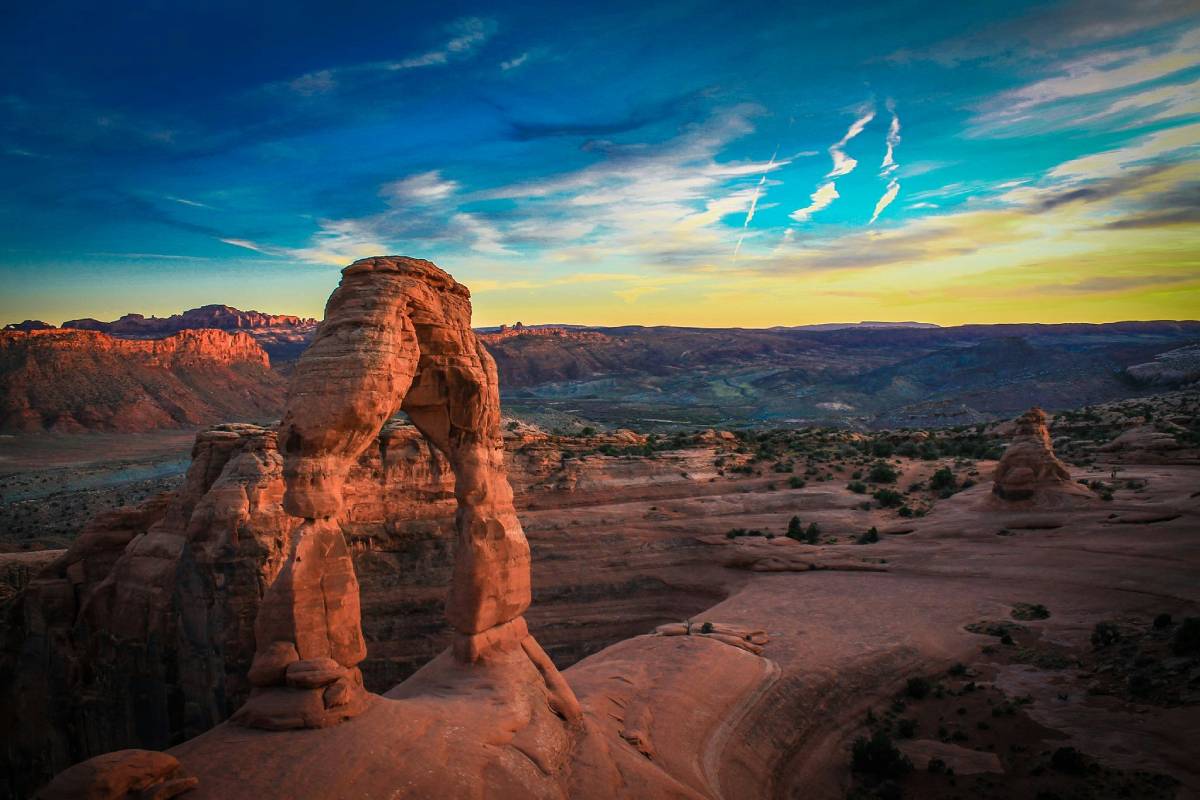
Arches National Park implements a timed-entry system from March through October because the 76,000-acre park cannot accommodate unlimited vehicles on its narrow 18-mile scenic road. The most photographed features—Delicate Arch, Landscape Arch, Double Arch—generate parking lot waits that extend 60+ minutes during peak hours.
Smart visiting strategies:
Arrive before 7:00 AM – No timed-entry required, parking available, temperatures manageable for hiking. The Delicate Arch trailhead fills by 7:30 AM even on weekdays.
Evening visits work strategically – After 6:00 PM the crowds thin significantly, though lighting for photography becomes directional.
Midday visits during summer create dangerous conditions – Surface temperatures on exposed sandstone exceed 140°F, making the 3-mile round-trip Delicate Arch hike genuinely hazardous without extensive water supplies.
The crowds at Arches represent predictable consequences of accessibility—paved roads leading to world-class features naturally attract visitors. Smart timing transforms the experience from frustrating to spectacular.
Canyonlands National Park: Space and Solitude Still Exist
Canyonlands' 337,598 acres divide into four distinct districts—Island in the Sky, Needles, Maze, and the rivers. The vast majority of visitors (90%+) experience only Island in the Sky, leaving the Needles District's technical 4x4 trails and the Maze's genuine wilderness largely empty.
Island in the Sky – Paved scenic drive to overlooks including Mesa Arch (requiring 30-minute sunrise arrival for photography), Grand View Point, and Upheaval Dome. Accessible to all vehicles.
Needles District – Technical 4x4 routes including the legendary Elephant Hill descent, Joint Trail access roads, and backcountry camping requiring high-clearance vehicles. This is where Canyonlands reveals its character to properly equipped visitors.
White Rim Trail – The 100-mile loop through Island in the Sky requires 2-3 days, permits, and vehicles capable of sustained technical driving. This represents bucket-list territory for serious off-road enthusiasts.
Dead Horse Point State Park: The Uncrowded Alternative
Dead Horse Point delivers Canyonlands-quality views with 90% fewer crowds. The 2,000-foot overlook above the Colorado River's gooseneck provides one of the American Southwest's most photographed vistas—accessible via paved road with parking that actually exists.
Smart visitors use Dead Horse Point for sunset photography while crowds depart from Arches and Canyonlands.
The Jeep Trails That Define Moab
When serious off-road enthusiasts research what to do in Moab, they're really asking "which technical trails match my vehicle's capabilities and my actual skill level?" The answer requires honest assessment of both.
Hell's Revenge: Moab's Signature Slickrock Experience
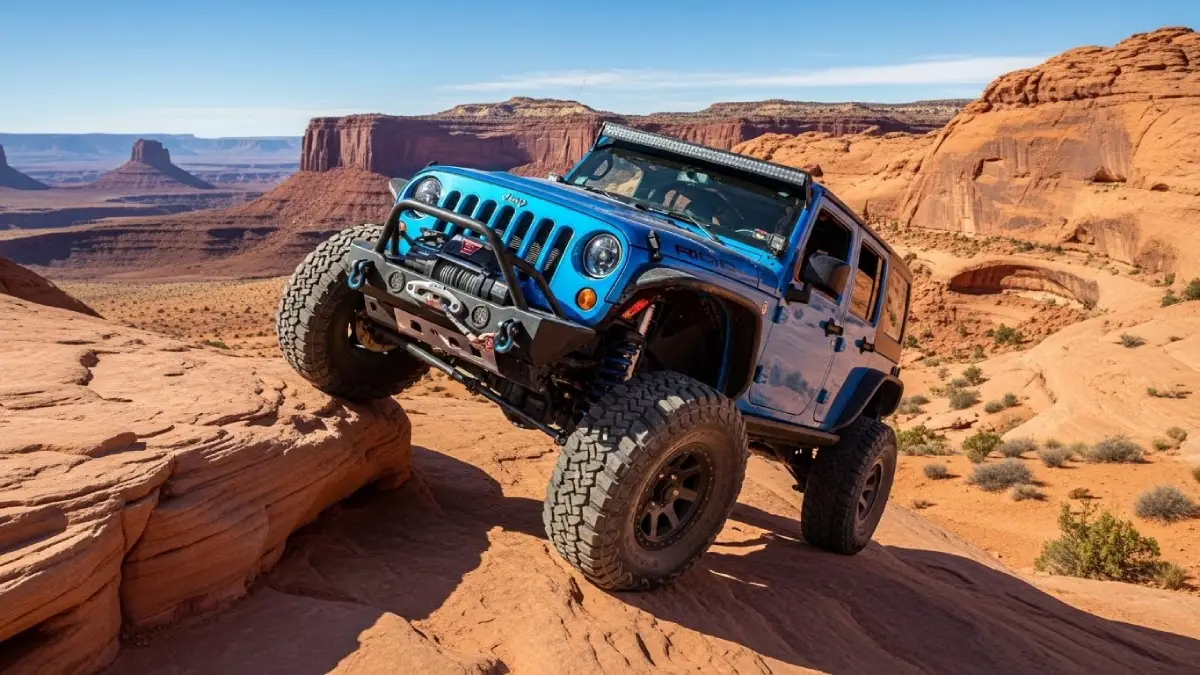
Hell's Revenge established Moab's reputation for slickrock driving. The 6.5-mile loop traverses Navajo sandstone featuring steep climbs, off-camber descents, and exposure that makes mistakes immediately consequential.
Trail characteristics:
Difficulty rating – 4/5 (intermediate to advanced) Time requirement – 2-3 hours for cautious navigation, 90 minutes for experienced teams Vehicle requirements – Short wheelbase preferred, aggressive tires essential, skid plate protection recommended Critical considerations – Proper tire pressure (15-18 PSI) makes the difference between confident traction and sideways slides
The trail includes optional obstacles—Hell's Gate, the Escalator, Tip-Over Challenge—where spectators gather to watch attempts. These obstacles aren't necessary for trail completion but represent the technical challenges that separate capable drivers from those operating beyond their skill level.
Hell's Gate specifically demands perfect line selection through a narrow V-notch requiring full articulation and absolute commitment. Hesitation typically results in spectacular backwards rolls down 30+ feet of exposed slickrock. Spectators gather here because failures happen predictably and dramatically.
Hell's Revenge intersects the Slickrock Mountain Bike Trail—mountain bikers have right-of-way at all crossing points. Collision between vehicles and cyclists creates liability nightmares, so constant attention at crossings is mandatory.
Fins and Things: Technical Introduction to Slickrock
Fins and Things provides shorter exposure to Moab slickrock while maintaining genuine technical challenges. The route features the distinctive sandstone fins that characterize the area, with climbs and descents requiring momentum management.
Trail characteristics:
Difficulty rating – 3.5/5 (moderate with technical sections) Time requirement – 2-3 hours Vehicle requirements – Stock Rubicons handle it confidently, though body contact with rock surfaces occurs regularly Best for – First-time Moab visitors wanting slickrock experience without Hell's Revenge commitment
The trail's "moderate" rating reflects Moab standards—meaning more technical than most trails tourists have attempted previously. Stock vehicles scrape occasionally, modified rigs cruise comfortably.
Poison Spider Mesa: Where Confidence Meets Reality
Poison Spider separates recreational off-roaders from technical operators through sustained difficulty over meaningful distance. The 6-mile route to mesa summit presents technical obstacles requiring precise wheel placement, momentum management on steep slickrock, and recovery skills for high-angle situations.
Trail characteristics:
Difficulty rating – 4.5/5 (expert only) Time requirement – 6-8 hours for experienced teams, 10+ hours first attempts Vehicle requirements – Short wheelbase, aggressive tire compounds, comprehensive armor protection Mandatory capabilities – Demonstrated competency in technical driving, proper recovery equipment
The trail's reputation stems from combining technical obstacles with sustained challenge. Drivers who breeze through Hell's Revenge often discover Poison Spider operates by different rules, exposing weaknesses in both equipment and technique.
Hell's Gate on Poison Spider (different from Hell's Revenge's Hell's Gate) represents the trail's defining obstacle—a narrow passage requiring perfect approach angle and articulation that exceeds most stock vehicle capabilities.
Stock vehicles rarely complete Poison Spider successfully. The exceptions involve exceptionally skilled operators under ideal conditions—assuming your stock vehicle qualifies typically leads to expensive reality involving recovery costs and repair shop visits.
The Beginner-Friendly Options
Not every Moab trail demands technical expertise. Several routes provide spectacular scenery with minimal vehicle requirements:
Gemini Bridges – Scenic drive to twin sandstone bridges, mostly graded road with short technical sections. Stock 4WD vehicles handle it confidently.
Corona Arch Trail – Short hike (not drive) to impressive arch formation, accessible to all fitness levels.
Shafer Trail – Dramatic descent into Canyonlands with switchbacks carved into cliff faces. Paved/maintained surface suitable for high-clearance vehicles, provides taste of canyon country exposure.
Potash Road (Highway 279) – Paved scenic drive along Colorado River featuring rock art panels, dinosaur tracks, and dramatic canyon walls. No off-road capability required.
Mountain Biking: Why Moab Earned Its Reputation
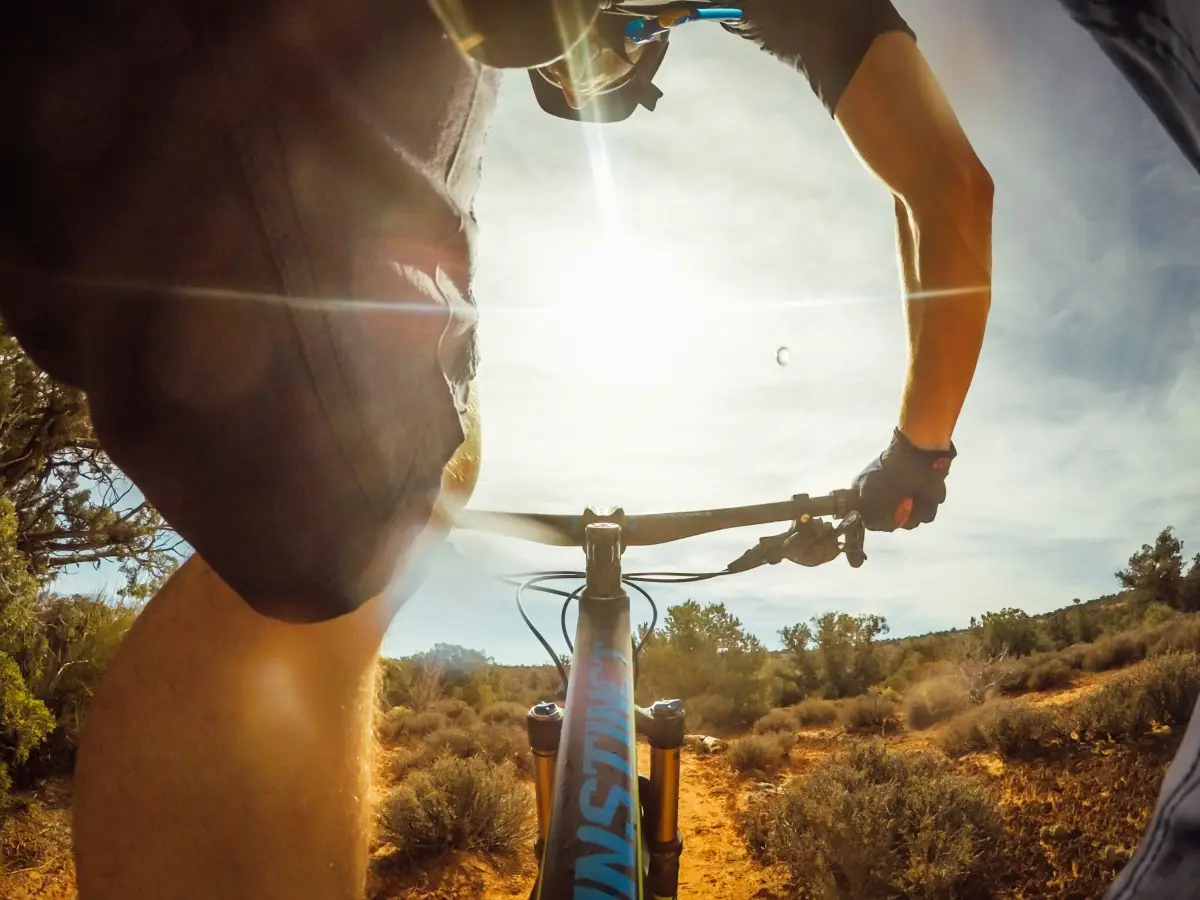
Before Jeep trails dominated Moab's outdoor recreation scene, mountain bikers established the city as a bucket-list destination. The Slickrock Bike Trail, first ridden in 1969 as a motorcycle route, demonstrated that Navajo sandstone provided exceptional traction for knobby tires.
The Legendary Trails
Slickrock Bike Trail – The 10-mile loop (plus 2.3-mile practice loop) features rolling sandstone surfaces with punchy climbs that test cardio fitness more than technical skill. Difficulty rating: Advanced due to sustained physical demand.
The Whole Enchilada – Regularly rated among North America's top mountain bike trails, this 26-mile descent drops 7,000 vertical feet from La Sal Mountains through multiple ecosystems to Moab Valley. Technical sections alternate with flow trails requiring all-mountain capabilities.
Porcupine Rim – The 15-mile route includes technical singletrack with 2,800-foot exposure above the Colorado River. Advanced riders only—mistakes have consequences.
Captain Ahab – Technical slickrock riding with challenging features that separate strong riders from those operating beyond capabilities.
Moab maintains 400+ miles of mountain bike trails ranging from beginner-friendly dirt roads to technical singletrack that demands genuine skill. Local bike shops (Poison Spider Bicycles, Chile Pepper, Rim Cyclery) provide rentals, repairs, and critical local knowledge about current conditions.
Important reality: Moab mountain biking is generally difficult. The rolling slickrock provides excellent traction but includes punchy climbs and technical features that exceed what "intermediate" means elsewhere. First-time Moab riders should expect trails to be harder than ratings suggest.
Colorado River Adventures: Water-Based Moab
The Colorado River provides relief from desert heat while accessing canyon scenery impossible to reach by vehicle. River activities range from calm paddleboard floats to multi-day expeditions through Class V rapids.
Half-Day and Full-Day Trips
The Moab Daily – Beginner-friendly float through Class I-II rapids, suitable for families. Professional guides included, 3-4 hour trips departing twice daily.
Fisher Towers Float – Calm-water scenic float past 900-foot sandstone towers. No significant rapids—focus remains on scenery rather than whitewater excitement.
Castle Valley Scenic Float – Morning or afternoon trips through red rock canyons, gentle current, opportunities for swimming in designated areas.
These accessible trips require no previous rafting experience and accommodate children as young as 5-6 years old (depending on operator requirements).
Multi-Day Expeditions
Cataract Canyon – 3-5 day trips through Canyonlands National Park featuring some of North America's largest rapids (Class III-V depending on water levels). Spring runoff creates massive waves, late summer provides technical rock gardens.
Westwater Canyon – 2-3 day trips with moderate rapids and spectacular canyon scenery. Less extreme than Cataract but still genuine wilderness rafting.
Desolation Canyon – 5-6 day remote expeditions accessing areas unreachable except by river. Mild rapids, focus on solitude and scenery.
Multi-day trips require reservations months in advance, particularly for spring and fall departures when weather conditions optimize the experience.
Rock Climbing and Canyoneering: Vertical Moab
Moab's sandstone formations attracted serious climbers long before tourists discovered the area. The towers, walls, and slot canyons provide world-class climbing across all difficulty levels.
Climbing Highlights
Fisher Towers – The Titan's 900-foot height makes it one of North America's tallest natural sandstone towers. The first ascent in 1962 established Moab's climbing credentials.
Wall Street – Popular sport climbing area with routes ranging from 5.8 to 5.13, accessible from Highway 279.
Indian Creek – While technically outside Moab proper (45 minutes south), Indian Creek represents the gold standard for crack climbing with 1,000+ routes.
Climbing Moab sandstone requires specialized skills—the soft rock demands different protection techniques than granite. Hiring guides for first Moab climbing experiences prevents expensive (and painful) mistakes.
Canyoneering Adventures
Moab's slot canyons provide spectacular canyoneering through narrow passages requiring rappelling, swimming through pools, and scrambling over boulders. Popular routes include:
Entrajo Canyon – Half-day adventure accessible to beginners with professional guides, includes 100-foot rappels and water obstacles.
Granary Canyon – Full-day technical route with multiple rappels and challenging route-finding.
Leprechaun Canyon – Advanced canyoneering requiring self-rescue skills and extensive experience.
Canyoneering should never be attempted without proper training, appropriate gear, and ideally professional guides familiar with specific routes and current conditions.
Downtown Moab: The Basecamp Experience
After days exploring slickrock and canyons, downtown Moab provides the resupply and recovery infrastructure that outdoor recreation demands.
Local Dining Beyond Tourist Traps
Moab Brewery – Local institution serving handcrafted beers and substantial pub food. The patio fills evenings with cyclists, Jeepers, and climbers sharing adventure stories.
Desert Bistro – Upscale dining featuring creative Southwestern cuisine, worth the splurge after days of camping meals.
Quesadilla Mobilla – Food truck serving massive burritos that fuel multi-hour trail sessions.
Moab Garage Co – Coffee shop and breakfast spot with genuine character, far superior to chain alternatives.
Downtown Moab maintains surprising culinary variety considering the 5,300-person population. Locally-owned restaurants dominate—corporate chains remain largely absent.
Gear and Supplies
Proper outfitting makes the difference between confident exploration and constant equipment concerns:
Gearheads Outdoor Store – Comprehensive selection of technical outdoor gear, knowledgeable staff providing actual local conditions information.
Poison Spider Bicycles – Mountain bike rentals, repairs, and beta on current trail conditions.
Chile Pepper Bike Shop – Additional bike shop option with rental fleet and mechanic services.
City Market – Full grocery store for camping supplies, significantly cheaper than convenience store prices.
Smart visitors arrive in Moab with majority of gear already acquired—shopping for critical equipment after arriving typically means accepting whatever limited inventory shops maintain rather than optimal choices.
When to Visit Moab: Seasonal Reality
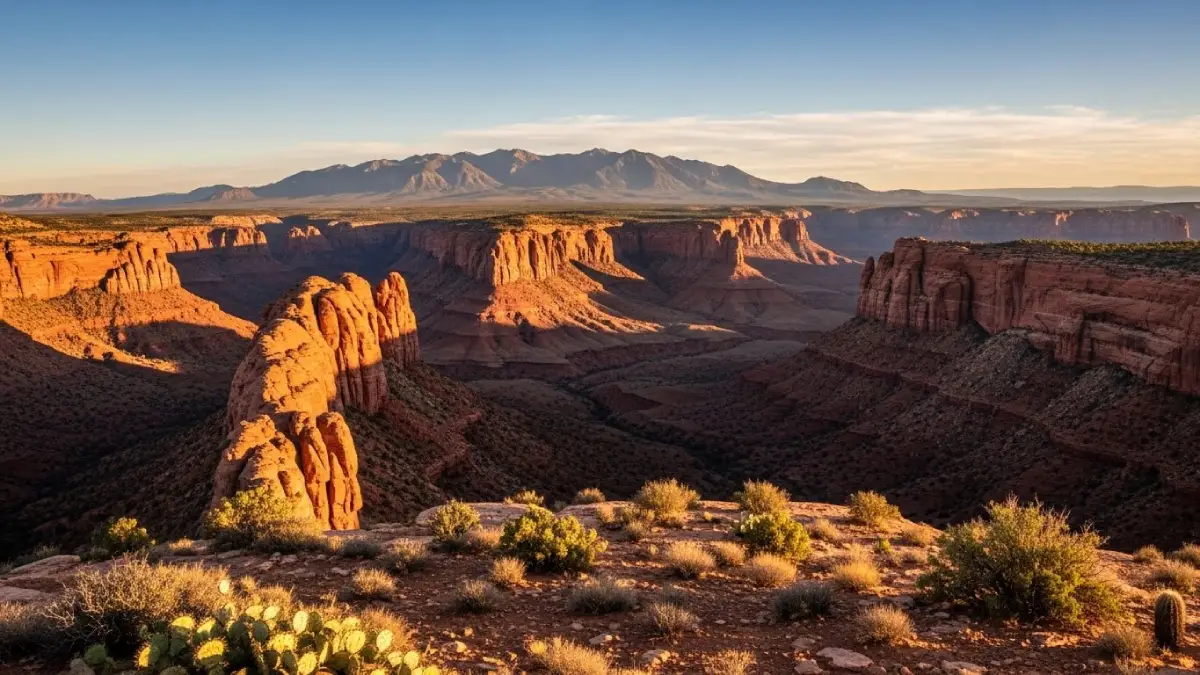
The question "what to do in Moab" changes dramatically depending on visit timing. Each season offers distinct advantages and significant challenges.
Spring (March-May): Peak Season Crowds
Spring brings perfect weather—daytime temperatures in the 70s-80s, cool evenings ideal for camping, snow melt creating waterfall displays. These ideal conditions also attract massive crowds.
Spring realities:
Arches reaches capacity regularly, requiring 7:00 AM arrivals
Campgrounds book 6+ months advance for Easter and spring break weeks
Popular Jeep trails see vehicle trains rather than solitude
Desert wildflowers create spectacular displays (late April-early May)
River rafting peaks with spring runoff creating massive rapids
Summer (June-August): Extreme Heat
Summer temperatures regularly exceed 105°F, with record highs approaching 115°F. Exposed slickrock surfaces reach 140°F+, creating genuine danger for unprepared visitors.
Summer strategies:
Start all activities before 8:00 AM
Afternoon hours (noon-6:00 PM) should be spent in air conditioning or on the river
Evening activities become viable after 7:00 PM
Carry significantly more water than seems necessary—dehydration happens faster than tourists expect
Colorado River trips become extremely popular for heat relief
Fall (September-November): Optimal Conditions
Fall delivers Moab's best combination of weather, scenery, and manageable crowds. Temperatures moderate to 70s-80s, cottonwoods display fall colors along river corridors, and shoulder-season pricing reduces costs.
Fall advantages:
Comfortable temperatures for all activities
Reduced crowds compared to spring
Reliable weather patterns (less precipitation than spring)
La Sal Mountains display fall colors (aspen groves at elevation)
October specifically represents ideal Moab timing—warm days, cool nights perfect for camping, autumn colors, and crowds diminished from summer peaks.
Winter (December-February): Solitude and Snow
Winter Moab operates differently. Snow dusts red rock formations, temperatures range from 20s-50s, and popular trails empty completely.
Winter considerations:
Many trails become impassable due to snow and ice
Below-freezing nights require genuine winter camping gear
Crowds virtually disappear—have major attractions to yourself
Some outdoor activity operators close for season
National parks remain open but services reduce
Winter Moab appeals to visitors prioritizing solitude over optimal conditions—willing to accept colder temperatures and occasional trail closures in exchange for empty landscapes.
The Equipment Gap Nobody Discusses
The difference between tourist Moab and authentic Moab often reduces to vehicle capability. Rental car companies advertise "4WD SUVs" that technically possess four-wheel-drive but lack the specific modifications Moab trails demand.
What Stock 4WD Actually Means
Modern SUVs marketed as "off-road capable" typically provide:
8-9 inches ground clearance (Moab trails routinely require 11-14 inches)
Open differentials losing traction on slickrock
Minimal skid plate protection leaving vulnerable components exposed
All-terrain highway tires rather than aggressive off-road compounds
Factory approach/departure angles inadequate for technical obstacles
These specifications handle graded dirt roads confidently but struggle with genuine technical terrain.
Cliffhanger's Modified Rubicons: Proper Moab Capability
Cliffhanger Jeep Rentals specializes in vehicles actually built for Moab terrain rather than marketing materials suggesting capability:
Modified Rubicons:
2.5-inch suspension lift providing 11.5+ inches clearance
35-inch all-terrain tires with reinforced sidewalls
Complete skid plate protection (oil pan, transfer case, gas tank, transmission)
Heavy-duty rock sliders protecting rocker panels
Upgraded recovery points and included recovery equipment
These modifications handle 90% of Moab trails confidently, including technical routes that challenge stock vehicles severely.
Extreme Rubicons:
3.5-inch suspension lift with 13+ inches clearance
39-inch tires maximizing ground clearance and articulation
Enhanced gearing for technical climbing
Proven on Moab's most demanding routes repeatedly
The insurance reality adds another consideration—standard vehicle insurance explicitly excludes off-road damage. That $4,000 cracked oil pan from high-centering on White Rim Trail? Standard rental insurance doesn't cover it.
Cliffhanger rental agreements acknowledge off-road use as intended purpose. Our vehicles are built for this terrain, maintained by professionals familiar with backcountry demands, and insured appropriately.
Planning Your Moab Adventure: Reality-Based Approach
Successful Moab visits start with honest capability assessment and appropriate preparation rather than optimistic assumptions about skills and equipment.
Realistic Time Allocation
Moab demands more time than GPS estimates suggest. A trail listed as "2-3 hours" should be treated as half-day commitment accounting for:
Photo stops at spectacular vistas
Technical obstacles requiring careful navigation
Unexpected trail conditions requiring detours
Rest breaks in extreme heat
Buffer time for mechanical issues or wrong turns
Attempting to compress too many activities into single days transforms adventure into stressful rushing.
Essential Pre-Trip Preparation
Route research – Study trail reports, understand technical ratings in Moab context specifically, identify bailout points before committing to long routes.
Weather monitoring – Check forecasts, understand flash flood potential, plan timing around temperature extremes.
Communication plan – Acknowledge cell service disappears outside town, carry emergency beacon for remote trips, establish check-in protocols.
Equipment verification – Confirm vehicle meets clearance requirements, check tire condition and pressure, verify recovery gear presence.
Supply loading – Pack extra water (1 gallon per person per day minimum), emergency food, first aid kit, overnight gear even for day trips.
The Turnaround Decision
Pride ruins backcountry adventures. When conditions exceed comfort level, turning around remains always an option.
The trail will be there tomorrow. Your vehicle stuck 40 miles out creates problems lasting days and costing thousands.
Why Cliffhanger Transforms the Moab Experience
Asking "what to do in Moab" ultimately requires asking "do I have appropriate equipment to actually do those things?" Tourist vehicles with 4WD badges handle paved scenic drives excellently but struggle with terrain that made Moab famous.
Cliffhanger Jeep Rentals eliminates the capability gap between tourist optimism and technical reality:
Purpose-built vehicles – Modified and extreme Rubicons handle technical terrain confidently because they're designed for it, tested daily, and maintained by professionals understanding Moab demands.
Local knowledge included – Current conditions information, route recommendations matching actual experience levels, realistic time estimates accounting for Moab realities.
Appropriate insurance – Acknowledging off-road use as intended purpose rather than insurance exclusion creating surprise bills after adventure.
Multiple locations – Moab, Vernal, and Colorado positions provide immediate access to legendary trails without towing equipment or hoping rental SUVs handle terrain they can't.
Our modified Rubicons mean spending time exploring Moab rather than worrying whether that approaching ledge exceeds your rental sedan's capability. The difference between managing obstacles confidently versus constantly concerned about damage affects the entire experience.
Experience Moab Properly
Moab offers adventure experiences justifying its legendary reputation—when approached with appropriate equipment, realistic expectations, and humility to acknowledge that professional-grade capability makes the difference between confident exploration and expensive mistakes.
The slickrock trails, technical 4x4 routes, genuine wilderness conditions—these create opportunities for exploration found nowhere else. But respecting this terrain means arriving prepared.
Ready to experience what Moab actually offers—with proper equipment, professional guidance, and confidence that comes from knowing your vehicle handles the terrain you're exploring?
Contact Cliffhanger Jeep Rentals and discover why thousands of adventurers trust us for their Moab experiences.
The sandstone, the canyons, the legendary trails—it's all waiting. But Moab only reveals its secrets to those who approach with appropriate respect and proven capability.
Book your Moab adventure with Cliffhanger Jeep Rentals today.