Moab UTV Trails: Why Slickrock Terrain Separates Casual Riding from Technical Mastery
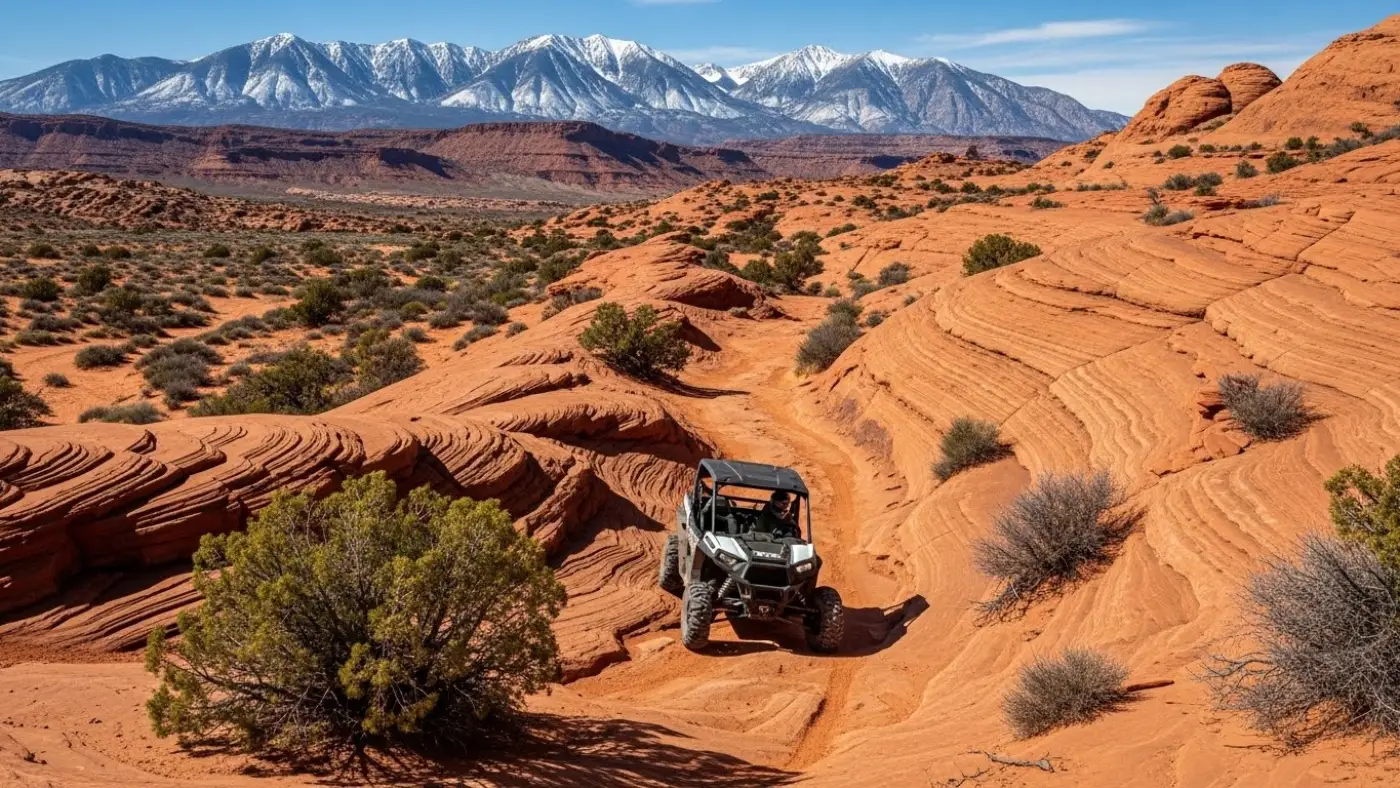
Here's what most UTV enthusiasts discover too late about Moab UTV trails: this isn't just another desert riding destination with dirt roads and scenic overlooks. Moab's slickrock terrain operates on principles that differ fundamentally from the sand dunes, forest trails, and dirt tracks where most side-by-side experience gets developed. The 200-million-year-old Entrada and Navajo sandstone formations create riding surfaces that seem impossible until you understand how petrified sand dunes interact with modern UTV capabilities in ways that redefine what these machines can actually accomplish.
The term "slickrock" misleads first-time visitors who expect slippery surfaces and limited traction. The reality proves exactly opposite—clean, dry sandstone provides exceptional grip that allows UTVs to climb grades and navigate technical features that would be impossible on conventional surfaces. This counterintuitive characteristic means Moab UTV trails teach lessons about momentum management, line selection, and vehicle dynamics that apply everywhere while providing experiences that exist nowhere else accessible by side-by-side vehicles.
Most people experience maybe 30% of what Moab UTV trails actually offer because they approach slickrock with dirt-trail expectations, underestimate how technical terrain demands different skills despite excellent traction, or don't understand that the unique geology creates both opportunities and challenges that conventional riding never prepares you for. The difference between tourists who complete a single easy trail and enthusiasts who truly experience Moab's UTV potential comes down to understanding that slickrock riding operates on its own principles entirely.
Why Moab's Geology Created the Ultimate UTV Playground
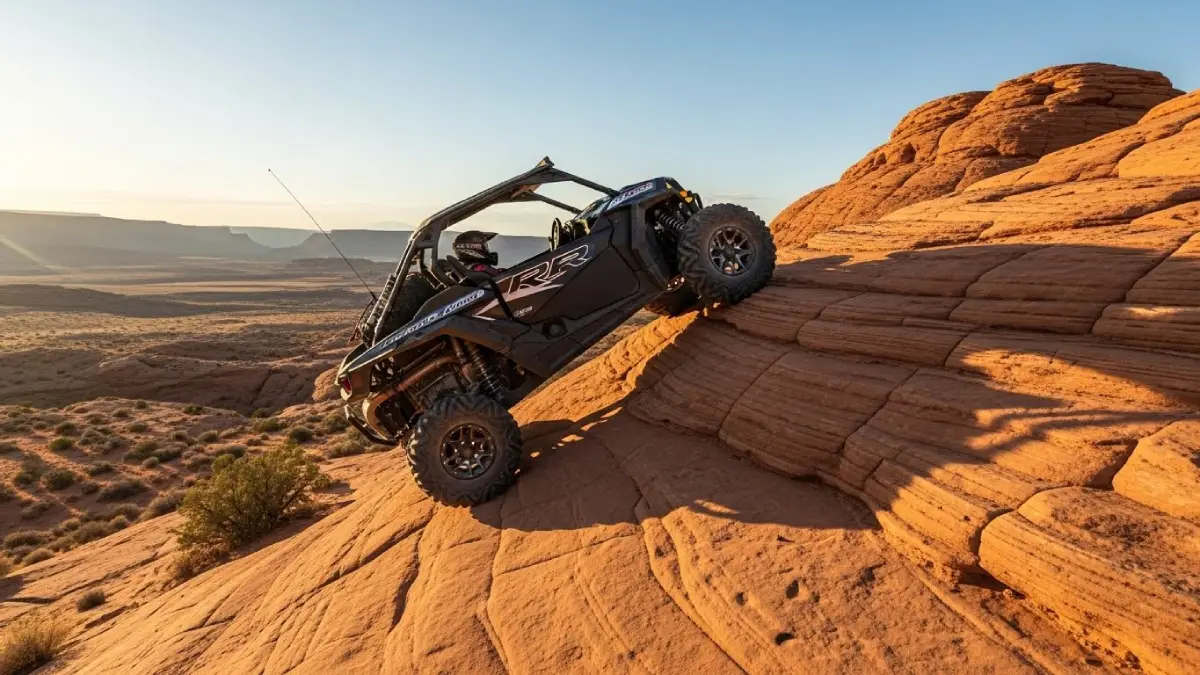
The sandstone formations around Moab didn't just create photogenic landscapes—they established functional riding terrain where ancient geological processes produced surfaces that interact with UTV capabilities in ways that seem almost engineered despite forming 150 million years before side-by-side vehicles existed. The petrified sand dunes, compressed into solid rock and then exposed by millions of years of erosion, provide consistent traction characteristics that allow progressive skill development through increasingly challenging terrain.
What makes Moab slickrock unique for UTV riding:
Predictable traction on clean surfaces unlike variable dirt or sand conditions
Natural features including ramps, ledges, and technical challenges formed geologically
Consistent surface characteristics that reward technique over raw power
Dramatic elevation changes within compact areas maximizing adventure per mile
Year-round accessibility with seasonal variations creating different challenges
Trail systems ranging from beginner-friendly to expert-only technical terrain
The educational advantage: Unlike destinations where trails just connect scenic points, Moab's slickrock actively teaches about vehicle dynamics, traction management, and the relationship between geological forces and riding technique. Every trail becomes a learning opportunity rather than just entertainment.
Understanding UTV Capabilities on Slickrock Terrain
UTVs excel in Moab's environment through characteristics that differ from traditional ATVs or full-size vehicles. The side-by-side design with roll cage protection, seat belts, and steering wheel control creates stable platforms that handle slickrock challenges while providing comfort and safety features that make technical terrain accessible to wider rider populations than traditional ATVs accommodate.
Stability Advantages on Technical Terrain
UTV width and lower center of gravity relative to height create inherent stability that helps riders maintain control on off-camber sections and steep climbs where traditional ATVs demand more active weight shifting. This stability advantage allows focus on line selection and momentum management rather than constant balance adjustments, making technical terrain more approachable for developing riders.
UTV stability benefits on slickrock:
Wider track width provides stability on off-camber sections with exposure
Four-point harness systems keep riders secure during aggressive terrain navigation
Steering wheel control feels familiar to drivers uncomfortable with handlebar steering
Roll cage protection provides psychological security that encourages skill development
Passenger capacity allows shared experiences and spotter assistance
Power and Gearing for Slickrock Challenges
Modern UTVs provide power output and gearing ratios specifically suited for technical terrain where sustained low-speed operation and precise throttle control determine success. The combination of adequate horsepower and appropriate transmission programming allows momentum maintenance through obstacles while providing the control necessary for technical sections requiring careful navigation.
Power delivery characteristics for Moab trails:
CVT transmission systems providing seamless power delivery without shift interruption
Low-range gearing adequate for technical climbing at controlled speeds
Sufficient ground clearance for rock obstacles common on intermediate and advanced trails
Suspension travel allowing wheel contact maintenance on uneven slickrock surfaces
Moab UTV Trails by Difficulty Level
Moab's trail system provides progressive challenges that build skills systematically while allowing riders to choose appropriate difficulty levels based on actual capability rather than optimistic self-assessment. Understanding what each difficulty category actually demands prevents the frustration and potential damage that result from attempting trails that exceed current skill levels.
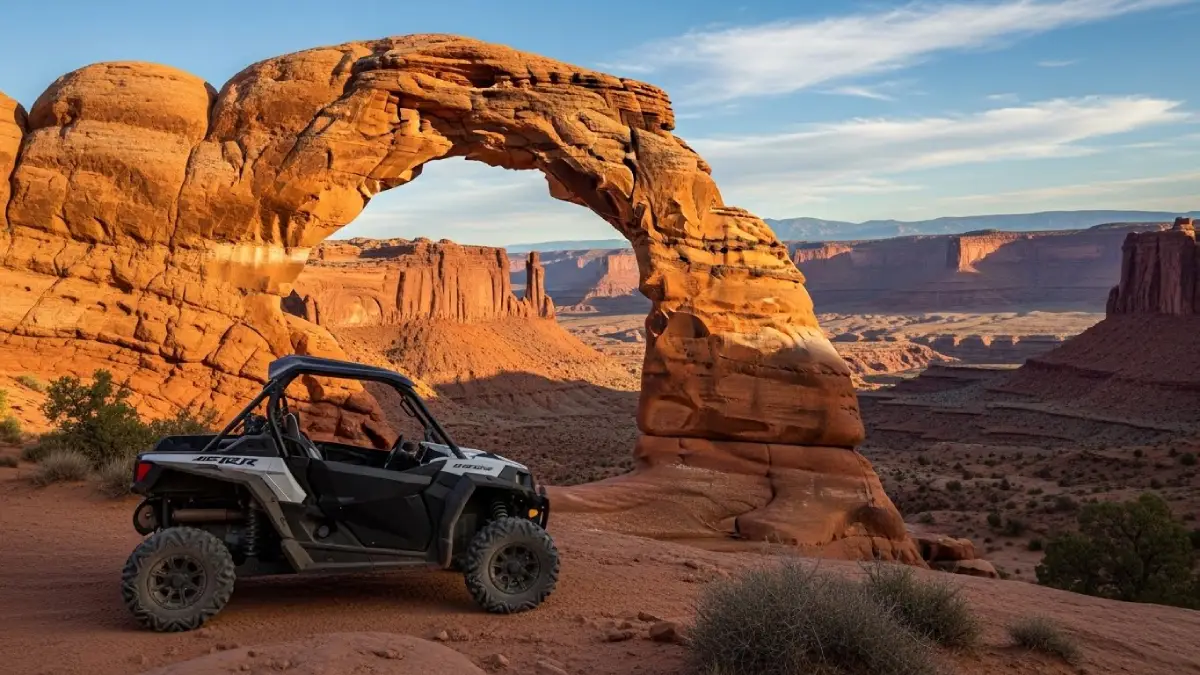
Beginner UTV Trails: Building Slickrock Confidence
Beginner Moab UTV trails introduce slickrock characteristics gently, providing opportunities to understand how traction works on sandstone surfaces without overwhelming technical demands or consequences for minor mistakes. These routes build confidence through manageable challenges while showcasing the scenic beauty that makes Moab famous.
Gemini Bridges Trail:
Distance: 13 miles one-way
Difficulty: Easy to moderate with optional challenging sections
Features: Well-maintained dirt road leading to spectacular natural bridge formations
Skill development: Basic slickrock introduction with gentle grades and minimal exposure
Ideal for: First-time Moab visitors, families, mixed-skill groups
The Gemini Bridges route provides gentle introduction to Moab terrain while delivering spectacular payoff—twin natural stone bridges spanning a deep canyon. The maintained road surface requires no technical skills while occasional slickrock sections allow safe experimentation with how sandstone traction actually works.
Shafer Trail:
Distance: 19 miles connecting Canyonlands to Moab
Difficulty: Easy with dramatic exposure (psychological challenge, not technical)
Features: Historic route with switchbacks carved into cliff faces, incredible views
Skill development: Exposure comfort, basic vehicle control on maintained surfaces
Ideal for: Scenic riding with minimal technical demands, photography opportunities
Shafer Trail offers incredible scenery and fascinating history without requiring technical riding skills. The switchbacks provide dramatic perspectives but remain wide enough for comfortable navigation, making this ideal for building confidence before attempting more challenging terrain.
Intermediate UTV Trails: Developing Technical Skills
Intermediate Moab UTV trails introduce genuine technical challenges that demand skill development beyond basic vehicle operation. These routes teach momentum management, line selection, and obstacle navigation through terrain that provides immediate feedback about what works versus what doesn't.
Fins and Things:
Distance: 9.4 miles round trip
Difficulty: Moderate with several challenging obstacles
Features: Rolling slickrock fins creating roller-coaster terrain, La Sal Mountain views
Skill development: Momentum management, steep climbs and descents, off-camber sections
Ideal for: Riders ready to progress beyond beginner trails, skill building focus
Fins and Things represents the quintessential Moab trail experience—pure slickrock riding across undulating sandstone fins that test vehicle capability and rider skill while maintaining reasonable safety margins. The white dotted line marking the route provides clear guidance while optional challenging sections allow progressive difficulty attempts as confidence builds.
Chicken Corners:
Distance: 42 miles round trip
Difficulty: Easy to moderate with spectacular scenery
Features: Colorado River views, canyon country exploration, varied terrain
Skill development: Distance riding, navigation, mixed surface conditions
Ideal for: Full-day adventures combining scenic beauty with moderate challenges
Chicken Corners provides extended trail experience through varied terrain that transitions from maintained dirt roads to technical sections requiring careful navigation. The route length builds endurance and navigation skills while providing spectacular Colorado River overlooks that justify the effort.
Poison Spider Mesa (Lower Sections):
Distance: Variable depending on how far up you attempt
Difficulty: Moderate to difficult depending on route selection
Features: Slickrock challenges, sand sections, incredible views of Colorado River and canyon
Skill development: Technical climbing, loose surface navigation, obstacle reading
Ideal for: Experienced riders ready for sustained technical challenges
The lower portions of Poison Spider Mesa provide technical challenges without the extreme difficulty that characterizes the upper sections. UTVs handle the sustained climbing and mixed surface conditions well, though the terrain demands competent riding and appropriate vehicle capability.
Advanced UTV Trails: Testing Capability Limits
Advanced Moab UTV trails demand refined skills, appropriate vehicle modifications, and acceptance that these routes separate capable riders from those still developing technical competency. These trails provide genuine achievement through challenges that require everything learned on easier terrain.
Hell's Revenge (UTV-Appropriate Sections):
Distance: 6.5 miles of technical slickrock
Difficulty: Difficult with optional extreme sections
Features: Steep slickrock climbs, dramatic descents, iconic Moab obstacles
Skill development: Advanced momentum management, exposure comfort, precise vehicle control
Ideal for: Experienced riders with proper equipment and technical skills
Hell's Revenge represents Moab's most famous trail, where steep slickrock creates sustained technical challenges that test both vehicle and rider capabilities. UTVs handle the terrain differently than traditional vehicles, with stability advantages on some sections but width limitations on others. The route demands respect and appropriate preparation rather than optimistic attempts.
Behind the Rocks (Selected Routes):
Distance: Variable through interconnected trail system
Difficulty: Difficult with some extreme sections
Features: Technical rock gardens, challenging climbs, remote terrain
Skill development: Advanced obstacle navigation, route-finding, self-sufficiency
Ideal for: Expert riders seeking challenges away from crowded main trails
Behind the Rocks encompasses multiple interconnected trails ranging from moderate to extreme difficulty. The area provides opportunities for riders who've mastered intermediate trails and want increasingly technical challenges in more remote settings where self-sufficiency becomes important.
Seasonal Considerations for Moab UTV Trails
Moab UTV trails operate year-round but seasonal variations affect comfort levels, surface conditions, and which trails provide optimal experiences. Understanding these patterns allows intelligent timing that maximizes enjoyment while avoiding the extremes that make riding unpleasant or even dangerous.
Spring Optimal Window (March-May)
Spring provides ideal conditions for Moab UTV trails, with moderate temperatures allowing all-day riding without extreme heat concerns. The desert wildflower bloom creates photographic opportunities while stable weather patterns make multi-day planning reliable.
Spring advantages:
Comfortable temperatures for extended riding (60-80°F typical)
Minimal afternoon thunderstorm risk compared to summer months
Wildflower displays adding visual interest to red rock scenery
Trail surfaces in optimal condition after winter moisture has dried
Summer Heat Management (June-August)
Summer in Moab demands respect for desert heat that can create genuinely dangerous conditions during midday hours. Early morning rides starting before 7 AM and evening adventures after 6 PM provide comfortable windows, while midday becomes suitable only for air-conditioned breaks or water-based activities.
Summer timing strategies:
Dawn starts (5-6 AM) before dangerous heat develops
Midday rest in air conditioning, swimming, or indoor activities
Evening rides (6 PM-sunset) as temperatures moderate to comfortable levels
Increased hydration requirements—drink 50-100% more water than normal
Fall Prime Season (September-November)
Fall combines comfortable temperatures with spectacular lighting conditions and reduced crowds compared to spring peak season. The moderate weather allows flexible scheduling while maintaining the reliable patterns that make planning feasible.
Fall benefits:
Optimal temperatures for all-day riding comfort
Spectacular low-angle light for photography
Reduced visitor pressure on popular trails
Stable weather patterns with minimal storm risk
Winter Opportunities (December-February)
Winter provides excellent UTV trail conditions when other southwestern destinations become too cold. The moderate winter temperatures make Moab accessible year-round, though some high-elevation trails may see occasional snow or ice that affects surface conditions.
Winter considerations:
Cool but rideable temperatures (40-60°F typical during riding hours)
Morning frost possible, affecting traction until surfaces warm
Shorter daylight hours requiring earlier starts for full-day adventures
Minimal crowds creating peaceful riding experiences on popular trails
UTV-Specific Vehicle Requirements
Moab UTV trails demand specific vehicle capabilities that address slickrock challenges, technical terrain navigation, and safety requirements that casual desert riding elsewhere might not require. Understanding these specifications prevents equipment inadequacy problems while ensuring appropriate capability for chosen trail difficulty.
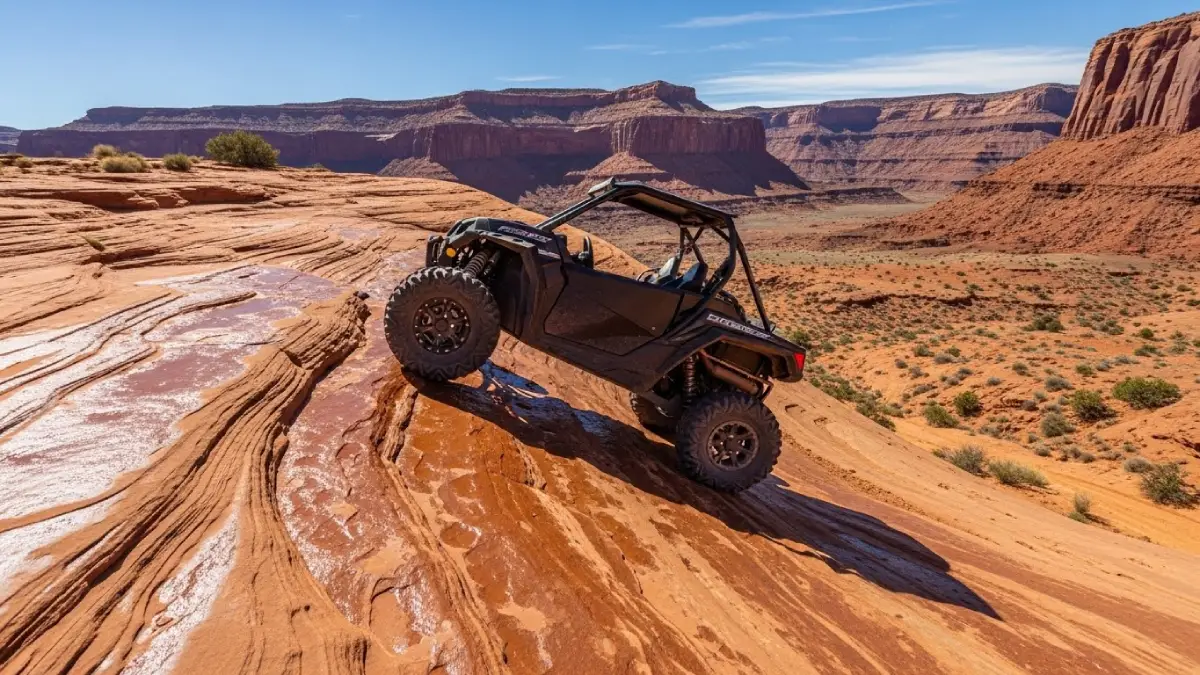
Ground Clearance and Suspension
Minimum specifications for Moab trails:
11+ inches ground clearance for intermediate and advanced trail obstacles
Adequate suspension travel for maintaining wheel contact on uneven slickrock
Quality shock absorbers handling repeated impacts from technical terrain
Skid plate protection for vulnerable undercarriage components
Stock UTVs generally provide adequate clearance for beginner and many intermediate trails, but advanced terrain may require additional modifications for damage prevention and optimal performance.
Tire Selection for Slickrock
Tire characteristics for Moab conditions:
All-terrain compounds providing grip on both slickrock and dirt sections
Tread patterns balancing rock traction with loose surface performance
Adequate sidewall strength for sharp rock contact common on technical trails
Appropriate pressure adjustment for varying surface conditions
Many UTV owners arrive with sand-specific or mud tires that work poorly on Moab's slickrock, learning too late that tire selection dramatically affects both performance and safety on sandstone surfaces.
Safety Equipment and Accessories
Essential safety equipment:
Roll cage meeting or exceeding manufacturer specifications
Four-point harness systems properly adjusted and maintained
Communication systems for group riding (radios or helmet comms)
Recovery equipment including straps and basic extraction gear
First aid supplies appropriate for remote trail riding
Professional UTV Rental Advantages
Attempting Moab UTV trails in personal vehicles creates complications that professional rental services eliminate: insurance limitations for off-road use, lack of slickrock-specific tire selection, and absence of local knowledge about which trails match actual skill levels versus optimistic self-assessment.
Purpose-Built Rental Fleet
Cliffhanger Jeep Rentals operates UTVs specifically selected and maintained for Moab's unique terrain demands. Our vehicles feature appropriate tire compounds for slickrock, regular maintenance that prevents mechanical failures, and modifications addressing the specific challenges that Moab trails create.
Professional rental fleet advantages:
Tire selection optimized for Moab's mixed slickrock and dirt conditions
Regular maintenance preventing mechanical issues on remote trails
Insurance coverage designed for off-road use that personal policies exclude
No long-term ownership costs for equipment used occasionally
Immediate replacement vehicles if mechanical issues develop despite maintenance
Local Expertise About Trail Conditions
Current condition intelligence: Professional operations maintain real-time awareness of trail conditions, temporary closures, and seasonal variations that affect which trails provide optimal experiences on specific days.
Skill-appropriate matching: Experienced staff understand how self-reported skill levels often differ from actual capability, providing honest assessments about which trails match current competency rather than encouraging attempts likely to result in frustration or equipment damage.
Route optimization knowledge: Understanding of how weather, seasonal factors, and time of day affect specific trails allows recommendations that maximize success probability while minimizing challenges from avoidable complications.
Planning Your Moab UTV Adventure
Successful Moab UTV trail experiences require planning that accounts for desert conditions, technical terrain demands, and the physical requirements that extended riding in challenging environments creates. Understanding these factors prevents the burnout and disappointment that result from overly ambitious itineraries or inadequate preparation.
Trip Duration and Trail Selection
Half-day adventures (3-4 hours):
Ideal for first-time visitors assessing Moab terrain and personal skill levels
Single trail focus allowing complete experience without rushing
Energy management preventing fatigue that affects safety and enjoyment
Recommended trails: Gemini Bridges, Fins and Things
Full-day experiences (6-8 hours):
Multiple trail combinations or single challenging route
Lunch breaks and photography stops without time pressure
Progressive skill building from easier morning trails to afternoon challenges
Recommended combinations: Gemini Bridges + Fins and Things, or dedicated Hell's Revenge attempt
Multi-day adventures (3-5 days):
Comprehensive Moab trail system exploration
Rest days allowing recovery and preventing accumulated fatigue
Progressive difficulty building from beginner to advanced terrain
Time for non-UTV activities providing variety and perspective
Group Size and Dynamics
Optimal group configuration:
2-4 UTVs providing safety redundancy without excessive coordination challenges
Mixed skill levels requiring careful trail selection matching least experienced riders
Communication systems essential for maintaining group cohesion on technical trails
Designated leader with local knowledge or professional guide services
Physical Preparation and Hydration
Fitness considerations for UTV riding:
Core strength for sustained bumpy terrain and technical obstacle navigation
Upper body endurance for steering input during extended rides
Cardiovascular fitness supporting sustained concentration in heat
Realistic assessment preventing overambitious attempts when fatigue develops
Desert hydration requirements:
Baseline 1 liter per hour as minimum during active riding
Increased requirements during summer heat or technical trails requiring sustained effort
Electrolyte replacement for extended rides preventing cramping and fatigue
Camelback or hydration pack systems allowing drinking without stopping
Safety Protocols for Remote Trail Riding
Moab UTV trails often venture into remote areas where cell service doesn't exist and assistance isn't readily available. Understanding safety protocols and emergency preparedness requirements prevents minor issues from escalating into serious problems when isolation compounds challenges.
Communication and Navigation
Essential communication systems:
Two-way radios for group communication when UTVs separate on technical sections
Satellite communication devices for emergency contact in areas without cell coverage
GPS navigation with offline maps for route-finding when visual trail markers become unclear
Spare batteries and charging systems for all electronic devices
Emergency Equipment and First Aid
Required emergency supplies:
Comprehensive first aid kit sized for group composition and trip duration
Basic tools for common mechanical issues (spare belts, tire repair, etc.)
Recovery straps and tow equipment for stuck vehicle extraction
Emergency shelter and warmth supplies for unexpected overnight situations
Extra food and water exceeding planned consumption by 50-100%
Environmental Responsibility on Slickrock
Moab's slickrock and desert ecosystems appear durable but suffer from inappropriate use that creates damage persisting for decades. Understanding and practicing responsible riding preserves access while protecting the unique environments that make Moab special.
Staying on Designated Routes
Critical environmental protection:
Absolute adherence to marked trails preventing damage to cryptobiotic soil
No shortcutting switchbacks or creating new routes regardless of convenience
Respect for vegetation growing in harsh conditions that recover slowly from damage
Cultural site protection—many areas contain archaeological resources requiring preservation
Supporting Long-Term Access
Moab UTV trails require ongoing maintenance funded by user fees and volunteer support. Contributing to trail organizations and following all permit requirements helps preserve the access that makes these adventures possible.
The Reality of Moab UTV Trail Success
Moab UTV trails reward riders who approach them with appropriate preparation and realistic skill assessment while providing immediate feedback about the difference between adequate capability and optimistic hope. Success requires understanding that slickrock riding operates on unique principles that conventional trail experience doesn't fully prepare you for.
What successful Moab UTV riding requires:
Trail selection matching actual skill levels rather than aspirational goals
Vehicle preparation appropriate for technical terrain and desert conditions
Seasonal timing that works with desert weather rather than fighting it
Safety equipment and emergency preparedness for remote riding
Environmental awareness preserving access through responsible practices
Making the Commitment to Slickrock Mastery
Moab UTV trails provide experiences that exist nowhere else accessible by side-by-side vehicles, where 200 million years of geological processes created terrain that challenges riders while teaching lessons about vehicle dynamics, environmental awareness, and personal capability that apply far beyond just recreational riding.
Building toward advanced Moab trails:
Progressive skill development through appropriate difficulty sequencing
Understanding of slickrock characteristics and how they differ from conventional terrain
Physical conditioning supporting sustained technical riding in challenging conditions
Vehicle familiarity allowing focus on terrain rather than equipment operation
The Professional Advantage: Cliffhanger Jeep Rentals
The choice between attempting Moab UTV trails in personal vehicles versus partnering with professional rental services often determines whether experiences become smooth successes or complicated struggles with equipment inadequacy and uncertain route selection.
Professional rental service advantages:
Purpose-built UTVs with Moab-specific tire selection and maintenance
Local expertise about current conditions and appropriate trail matching
Comprehensive insurance for off-road activities personal policies exclude
Emergency support when situations exceed expectations
No ownership costs for specialized equipment used occasionally
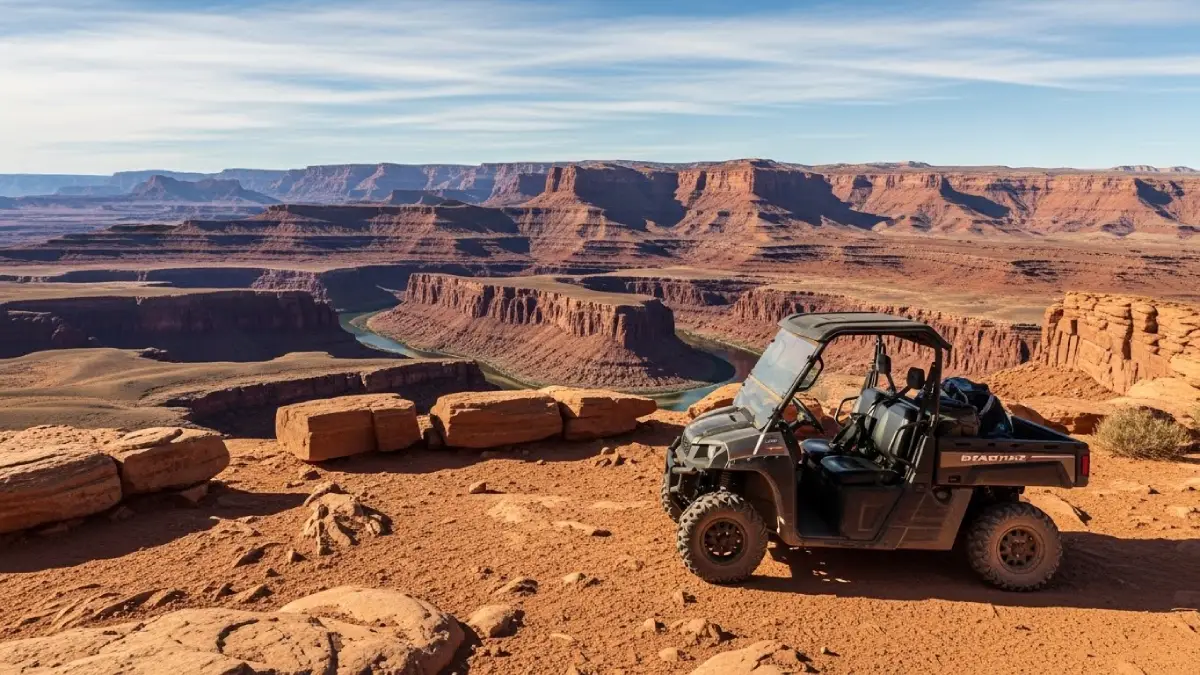
The Bottom Line: Earning Your Moab UTV Experience
Moab UTV trails don't accommodate casual approaches—they provide education about slickrock characteristics, vehicle dynamics, and environmental systems through experiences that reward preparation while exposing inadequacy. The terrain operates on geological principles and physical laws that remain constant regardless of rider confidence or equipment cost.
Whether you focus on progressive skill building through increasingly challenging trails or comprehensive exploration showcasing Moab's trail system diversity, success depends on matching preparation to actual demands rather than hoping determination overcomes inadequate planning.
The most rewarding Moab UTV experiences come from understanding that slickrock terrain teaches lessons about traction management and vehicle dynamics that apply everywhere—requiring preparation and respect that casual desert riding elsewhere never demands.
Ready to experience Moab's legendary slickrock trails by UTV? Cliffhanger Jeep Rentals provides purpose-built side-by-side vehicles, local trail expertise, and comprehensive support that transforms Moab UTV trails from theoretical possibilities into successful achievements on terrain that exists nowhere else on Earth.
Discover why Moab UTV trails define slickrock riding through Cliffhanger Jeep Rentals—where professional equipment and expert guidance eliminate complications while maximizing experiences on trails that separate casual riding from technical mastery.