Here's what the travel brochures and TripAdvisor listings conveniently omit about booking a Moab tour company: the "guaranteed small group" that shows up as an 18-vehicle caravan on Hell's Revenge, the "experienced guide" who started last Tuesday, and the painful discovery that the "premium Jeep" in the marketing photos was replaced six months ago with a stock Wrangler Sport missing a skid plate. Welcome to Moab's tour industry—where the gap between marketing copy and reality can be as wide as the Colorado River canyon.
Moab hosts more off-road tour operators per capita than anywhere else in North America. With over 1.8 million annual visitors flowing through a town of roughly 5,300 residents, the tour industry here has exploded into a crowded marketplace of guided tours, self-drive rentals, UTV fleets, and hybrid operations all competing for the same adventure dollar. That abundance of choice sounds like a consumer advantage—until you realize most visitors spend more time researching their dinner reservations than vetting the company they're trusting with their safety on trails featuring 800-foot exposure.
Understanding Moab's Tour Operator Landscape
The term "Moab tour company" covers a wildly varied range of business models, each with different strengths, limitations, and price points. Understanding which category you're actually booking matters more than most marketing materials let on.
Large guided group operators (15+ vehicle capacity):
These are the high-volume operations running multiple daily departures on popular trails like Hell's Revenge and Fins N Things. They own fleets of 20–50+ vehicles, employ seasonal guides, and optimize for accessibility to inexperienced off-roaders. Pricing runs $95–$180 per person for half-day tours. The trade-off is minimal customization, larger caravans, and rigid schedules.
Boutique guided tour companies:
Smaller operators running 2–6 vehicle tours with more experienced guides, often owner-operated or small-team. These companies tend to offer more technical trails, flexible itineraries, and genuine personalized attention. Expect $150–$300+ per person for premium experiences.
Self-drive rental operators:
Companies like Cliffhanger Jeep Rentals that rent purpose-built off-road vehicles for customers to drive themselves. This category works for visitors with some off-road experience who want freedom to set their own pace, stop where they want, and explore on their own schedule. Daily rates typically run $275–$650 depending on vehicle capability.
UTV and side-by-side specialists:
Operators focused on Polaris RZRs, Can-Am Mavericks, and similar vehicles. UTVs handle different terrain than Jeeps, offer a more exposed experience, and have lower operator barriers to entry. Quality varies dramatically.
Hybrid operations:
Companies offering both guided tours and self-drive rentals. Quality here correlates heavily with whether the operator treats rentals as an afterthought to their tour business or as a core offering.
What Actually Separates Great Moab Tour Companies from Tourist Traps
The Moab tour industry has a low barrier to entry. Anyone with a trailer of rental Jeeps and a business license can hang out a shingle. That reality produces a bimodal distribution of operators: a small group of highly professional companies built for repeat customers and long-term reputation, and a much larger group of volume operators optimizing for weekly traffic from people who'll never return.
Distinguishing between these requires looking past marketing copy at specific indicators. Fleet age and condition tell a story no website will—a company running 2018 Wranglers with worn tires has a different operational philosophy than one cycling vehicles every 18 to 24 months. Guide experience matters more than guide certifications, and certifications matter more than guide friendliness. A genuinely experienced Moab guide has driven these trails hundreds of times in conditions most tourists will never encounter.
Review patterns reveal more than review counts. An operator with 2,000 five-star reviews and thirty one-star reviews all telling the same story (showed up late, guide was inexperienced, vehicle broke down) has a problem that marketing can mask but patterns can't.
Red flags to watch for when vetting a Moab tour company:
Photos on the website that don't match the fleet on the lot
No visible special recreation permit numbers for BLM or state land
Vague answers about guide experience or fleet age
"Small group" claims without a stated maximum vehicle count
Deposits collected with unclear refund terms
A pattern of negative reviews telling the same operational story
The Legendary Trails Moab Tour Companies Run
Different trails demand different operator capabilities. Matching your tour company to your intended terrain matters as much as choosing the company itself.
Hell's Revenge (6.5 miles):
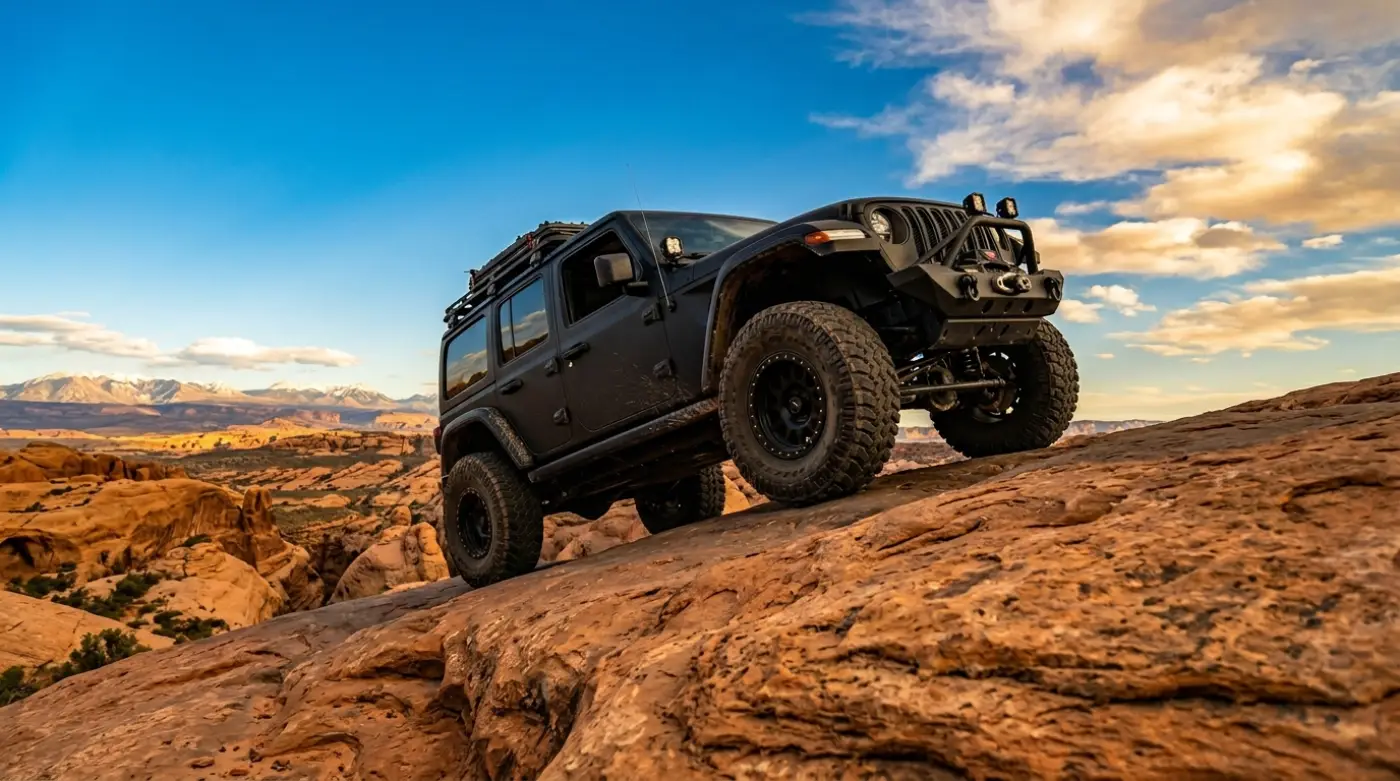
Moab's signature slickrock trail with steep climbs, tight descents, and the optional Hell's Gate obstacle that separates confident drivers from overconfident ones. Nearly every Moab tour company offers Hell's Revenge because it's accessible to less experienced drivers while delivering the slickrock experience visitors come to Moab for.
Fins N Things (9 miles):
A flowing slickrock loop considered slightly easier than Hell's Revenge but featuring the notorious "rollercoaster" section where vehicles pitch dramatically across a series of fins. Popular with first-time Moab visitors wanting genuine slickrock exposure without extreme technical challenges.
Poison Spider Mesa (12 miles):
A climb from the Colorado River to overlook Canyonlands, featuring the "Waterfall" obstacle, multiple ledges, and exposure that intimidates many experienced drivers. Tour companies running Poison Spider tend to have more technical fleets and experienced guides.
Top of the World (15 miles round-trip):
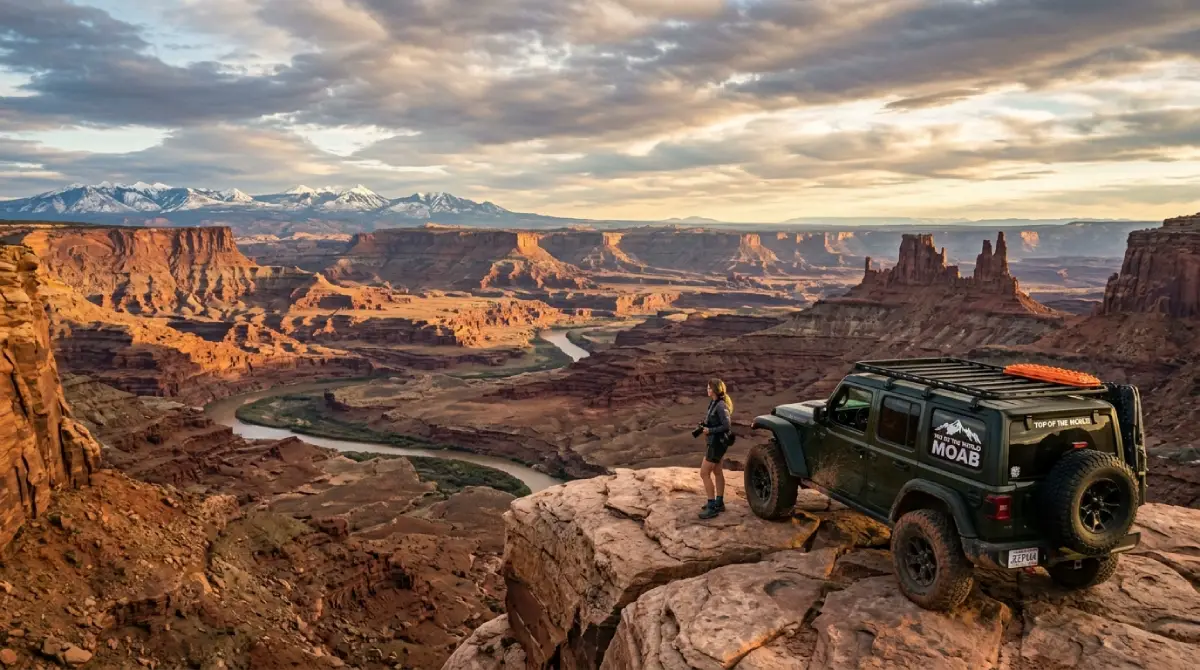
A moderate climb to a 6,800-foot overlook with one of the most photographed viewpoints in Utah. The final climb features loose rock sections that demand proper equipment. Best run as a half-day excursion.
Moab Rim (6 miles):
A short but technical out-and-back featuring immediate steep slickrock climbs with significant exposure. Typically offered only by operators with technical fleets and guides comfortable managing less experienced drivers through genuinely challenging terrain.
Cliffhanger Trail (14 miles):
A technical trail with sections narrow enough that mirrors get folded in and ledges exposed enough that passengers often request to walk. The trail most Moab tour companies won't run because their fleet can't handle it.
Guided vs Self-Drive: Which Actually Makes Sense
The industry has convinced many visitors that guided tours are universally "safer" while self-drive rentals are "adventurous." The reality is more nuanced and depends heavily on experience level, trip goals, and honest self-assessment.
Guided tours make sense when visitors have zero off-road experience, limited time to plan an itinerary, or want the social dynamic of being part of a group adventure. The guide handles route decisions, manages pace, and provides local commentary. Trade-offs include tour schedules that may not match your energy levels, inability to stop for the photos you want, and being grouped with other tourists whose comfort zones differ from yours.
Self-drive rentals are often the better call for visitors who want freedom, flexibility, and a more intimate experience. Self-drive makes sense if you:
Have some off-road experience, even if limited to gravel roads or easy trails
Want to set your own pace and stop wherever you want for photos
Prefer traveling with only your own group rather than strangers
Plan to run multiple trails across several days
Want to build a custom itinerary combining trails, overlooks, and town time
Are comfortable following a detailed trail briefing and map
The mistake most visitors make is defaulting to guided tours because they assume self-drive requires expert-level skills. For trails like Fins N Things, Top of the World, and moderate sections of Hell's Revenge, a capable rental Jeep with proper pre-trip briefing is entirely accessible to attentive first-timers. The mistake in the opposite direction is booking self-drive for technical trails like Poison Spider or the Cliffhanger when your only off-road experience is a gravel road to a campsite.
Questions Every Visitor Should Ask Before Booking
The right questions asked before booking separate informed adventurers from tourists about to discover expensive surprises on trail day. Before handing over a credit card, ask any prospective Moab tour company:
What specific model year, lift height, and tire size are the vehicles? "Newer Jeeps" means nothing—demand specifics.
How long have your guides worked these specific trails, and are they local or seasonal?
What is the maximum group size, not the typical group size?
What is the cancellation and weather policy if storms, trail closures, or flight delays occur?
What is actually included in the price—water, lunch, fuel, taxes, insurance deductibles, gratuities?
For rentals, what damage is covered, what deductibles apply, and how are disputes handled?
Can you provide your BLM or state land special recreation permit number?
What happens if a vehicle breaks down or gets stuck mid-trail?
Vague answers to any of these questions are themselves an answer. Reputable operators respond with specifics because they have specifics. Tourist traps respond with reassurances because reassurances are all they have.
Seasonal Considerations That Most Tour Companies Won't Mention
Moab's tour industry depends on steady bookings year-round, which creates a marketing incentive to downplay seasonal challenges. The reality is that Moab's trail experience varies dramatically across the calendar.
Spring (March through May):
Delivers Moab's best trail conditions—moderate temperatures, dry surfaces, and wildflowers in the lower elevations. It's also the busiest season, with trails crowded and pricing peaked. Book 60–90 days out for preferred operators.
Summer (June through August):
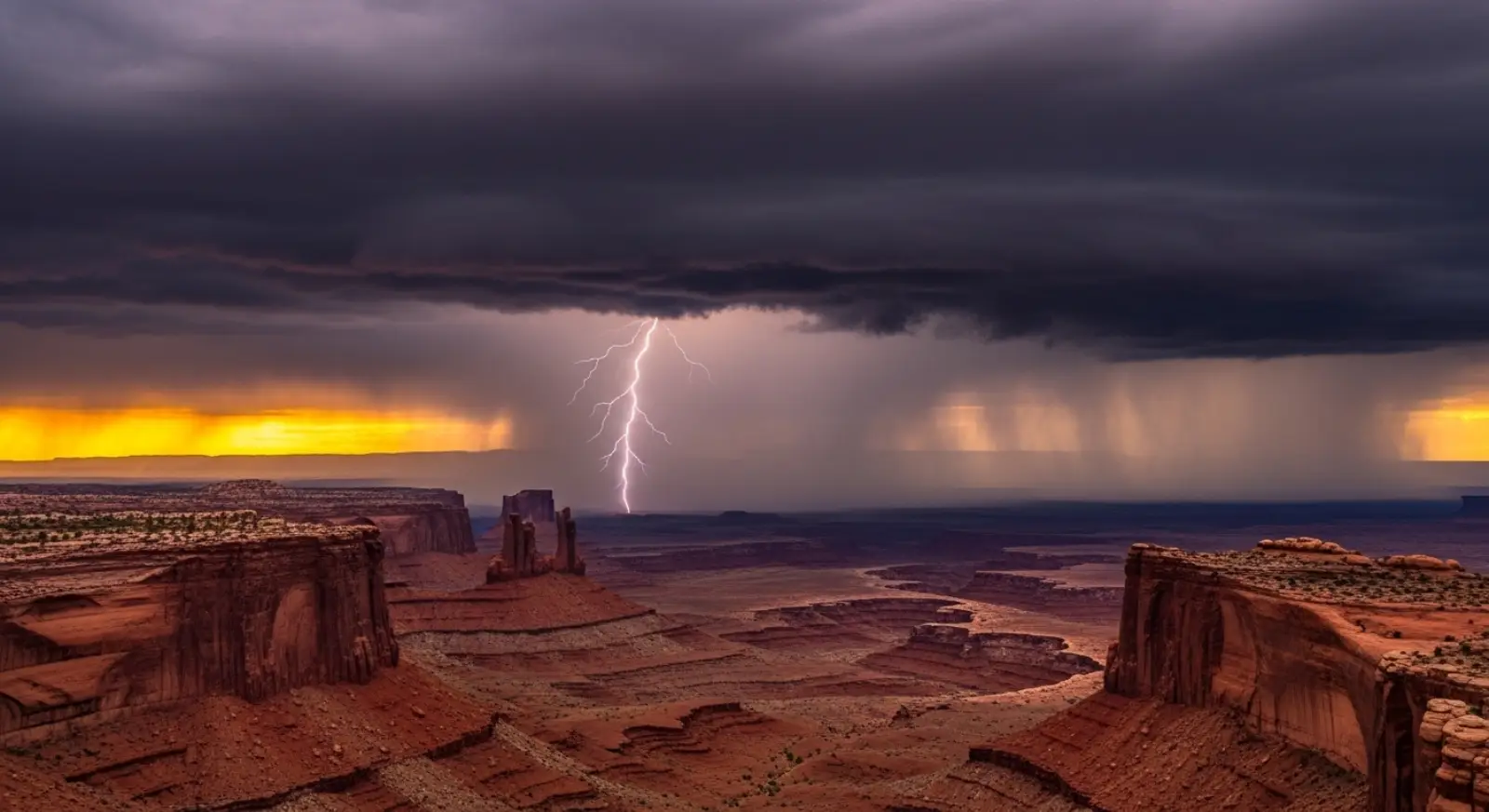
Brings brutal heat, with daytime temperatures regularly exceeding 100°F and slickrock surfaces hot enough to cause tire issues. Afternoon thunderstorms can render drainages impassable within minutes. Most serious Moab enthusiasts avoid summer entirely or run dawn-only tours.
Fall (September through early November):
Rivals spring for conditions while typically offering lower crowds and better pricing through mid-October. Weather remains stable, temperatures moderate, and the light quality on slickrock becomes genuinely spectacular. Many experienced Moab visitors consider fall the superior season.
Winter (November through February):
Closes some higher-elevation trails but opens others under uncrowded conditions. Snow and ice complicate slickrock driving significantly. Tour operations scale back, though quality rental operators continue running for visitors who want solitude over sunshine.
Regardless of season, a proper pre-trip kit separates comfortable adventures from miserable ones. Before heading out on any Moab trail, bring:
Minimum one gallon of water per person per day, regardless of temperature
Sunscreen, wide-brim hat, and polarized sunglasses (slickrock glare is brutal)
Layers appropriate for 30-degree temperature swings between dawn and afternoon
Closed-toe footwear with real tread—flip-flops are not trail footwear
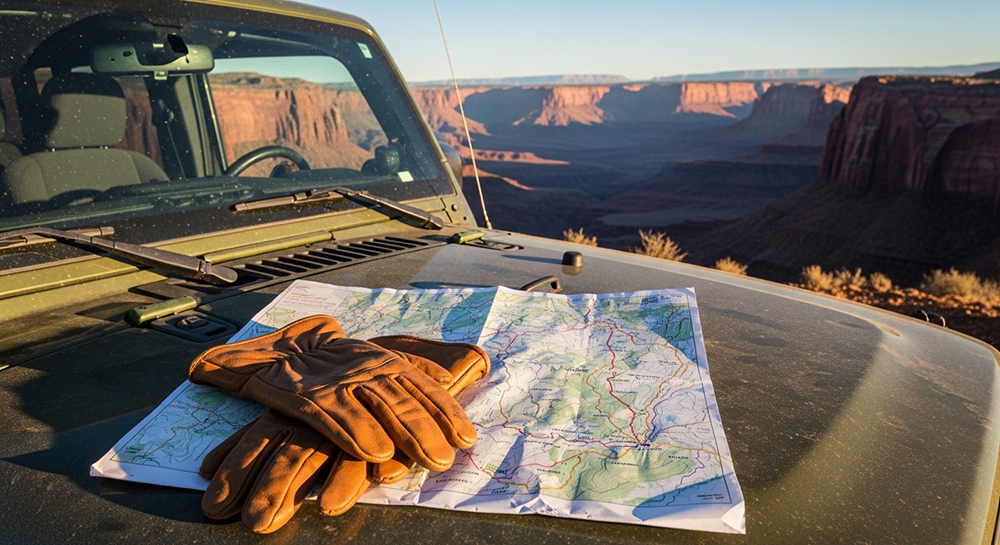
A paper trail map as backup when cell service disappears
Snacks and electrolytes for anything beyond a two-hour run
The Cliffhanger Advantage in Moab
Every tour operator in Moab makes promises. Few back them with the fleet, infrastructure, and accountability that actually matters when you're 15 miles deep on a trail and something goes sideways.
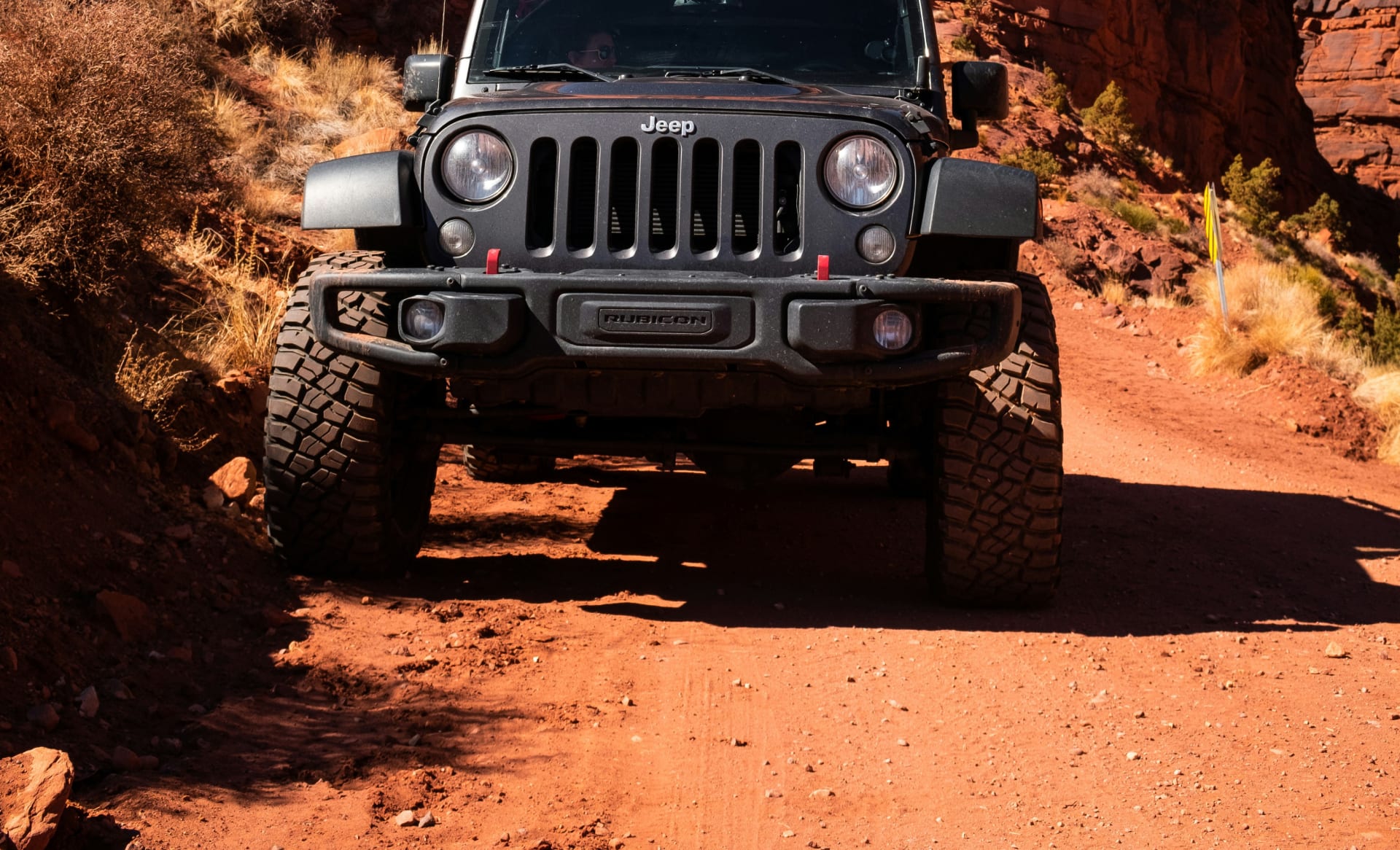
At Cliffhanger Jeep Rentals, our Moab fleet runs modified Rubicons with 2.5- to 3.5-inch suspension lifts delivering 11.5 to 13+ inches of ground clearance—enough to handle trails that high-center stock rental Jeeps. We run 35- to 39-inch aggressive all-terrain tires that maintain grip on slickrock, loose sand, and the technical sections that separate memorable trails from disappointing ones. Complete skid plate systems protect critical drivetrain components when rock contact becomes unavoidable, and heavy-duty steel bumpers provide proper approach and departure angles for the steep grades these trails demand.
We operate as a self-drive rental company because we believe capable visitors deserve the freedom to set their own pace, stop where they want, and build their own Moab experience. Every rental includes detailed trail briefings, route recommendations matched to your experience level, and direct support if questions arise on the trail. Our longest rental days in town give you more time to actually use the vehicle instead of watching the clock.
Our Moab location sits positioned for direct access to Hell's Revenge, Fins N Things, Poison Spider, Top of the World, and every other legendary trail the region offers. For visitors who want the capability of a premium guided tour with the flexibility of setting their own itinerary, we built Cliffhanger to be the answer.
Moab rewards visitors who do their research. The difference between booking the right tour company and the wrong one can mean the difference between the best day of your vacation and a disappointing story you tell on the drive home. Ask the right questions, evaluate honestly, and pick the operator whose vehicles, guides, and operational philosophy actually match what their marketing promises. Bring the preparation. We'll bring the Jeeps.