What Most Travelers Get Wrong About This Drive
Here's what the Google Maps route summary conveniently omits about the drive from Moab to Salt Lake City: the 4-hour direct shot up US-191 to I-70 to US-6 barely scratches the surface of what this corridor actually offers, the San Rafael Swell section of I-70 ranks among the most dramatic interstate highway drives in the American West, and the harsh reality is that most travelers either blow straight through in highway-hypnosis mode or stop at the wrong places entirely.
Moab to Salt Lake City isn't just "a 4-hour drive with a few gas station stops." It's 234 miles of Utah's most varied terrain—red rock canyons giving way to high desert plateaus, coal country towns with legitimate history, mountain passes through the Wasatch Range, and enough legitimate stops to fill two full days if you approach it right.
Understanding the difference between driving through Utah and actually experiencing it starts with honest route assessment and knowing which stops justify the time.
The Two Routes Worth Knowing
The confusion about this drive comes from treating it as a single corridor when there are two meaningfully different ways to approach it.
Route 1: The Direct Route (4–4.5 Hours)
The standard path—US-191 North out of Moab, I-70 West to US-6 North through Price Canyon, then I-15 North into Salt Lake City—is the fastest option and significantly more scenic than travelers expect.
Direct route characteristics:
The I-70 Stretch Through the San Rafael Swell
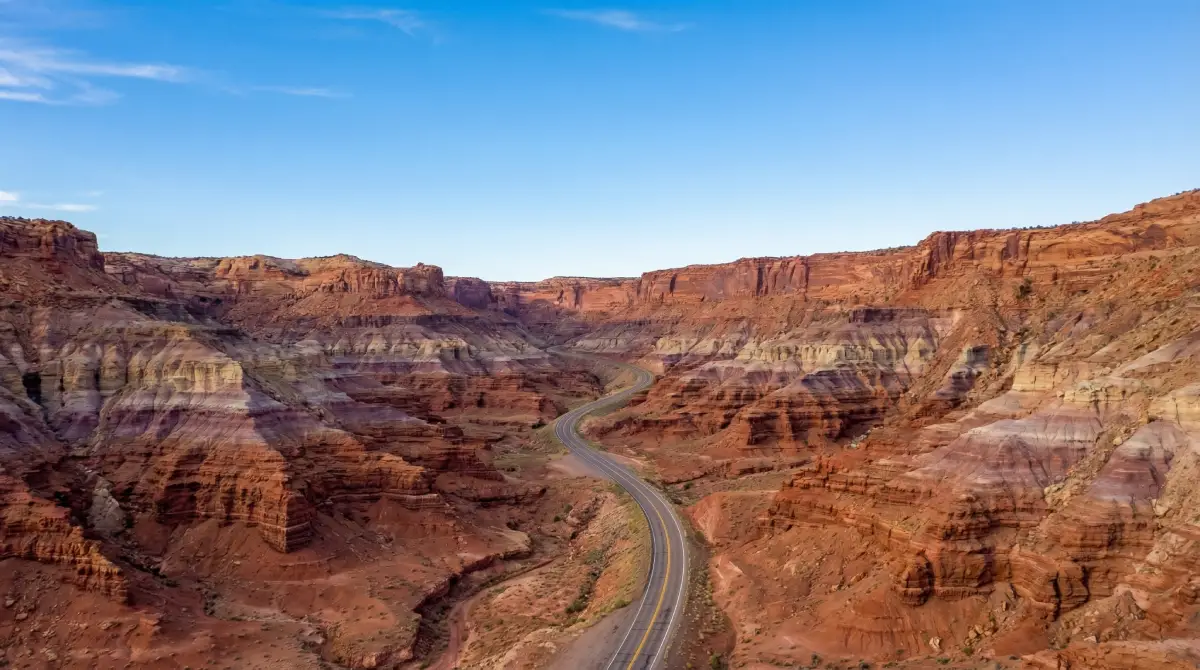
After leaving Green River, I-70 cuts through the San Rafael Swell—a massive geologic upheaval that exposed billions of years of rock layers in dramatic canyon walls, hoodoos, and mesa formations. This 50-mile section ranks among the most underrated interstate drives in the country. The freeway itself descends into canyon cuts with 1,000-foot walls visible from both lanes.
Price Canyon on US-6
The climb from Price toward Spanish Fork moves through narrow canyon terrain with mining history visible in the hillsides. Old rail infrastructure, coal tipples, and the occasional remnant of Utah's industrial past line the roadway. The canyon walls close in dramatically before the road crests and drops toward the Wasatch Front.
Consistent cell service and services
Gas stations, restaurants, and restrooms appear at regular intervals through Green River, Price, Helper, and Spanish Fork. No wilderness-survival planning required.
Total distance: 234 miles Drive time without stops: 4–4.5 hours Recommended stops: Green River, Price, Helper
Route 2: The Scenic Alternative (5.5–6+ Hours)
For travelers with time, starting on Highway 128 instead of jumping straight to US-191 North adds 45 minutes and exponentially more scenery before connecting to the main corridor.
Scenic route characteristics:
Highway 128 – Castle Valley
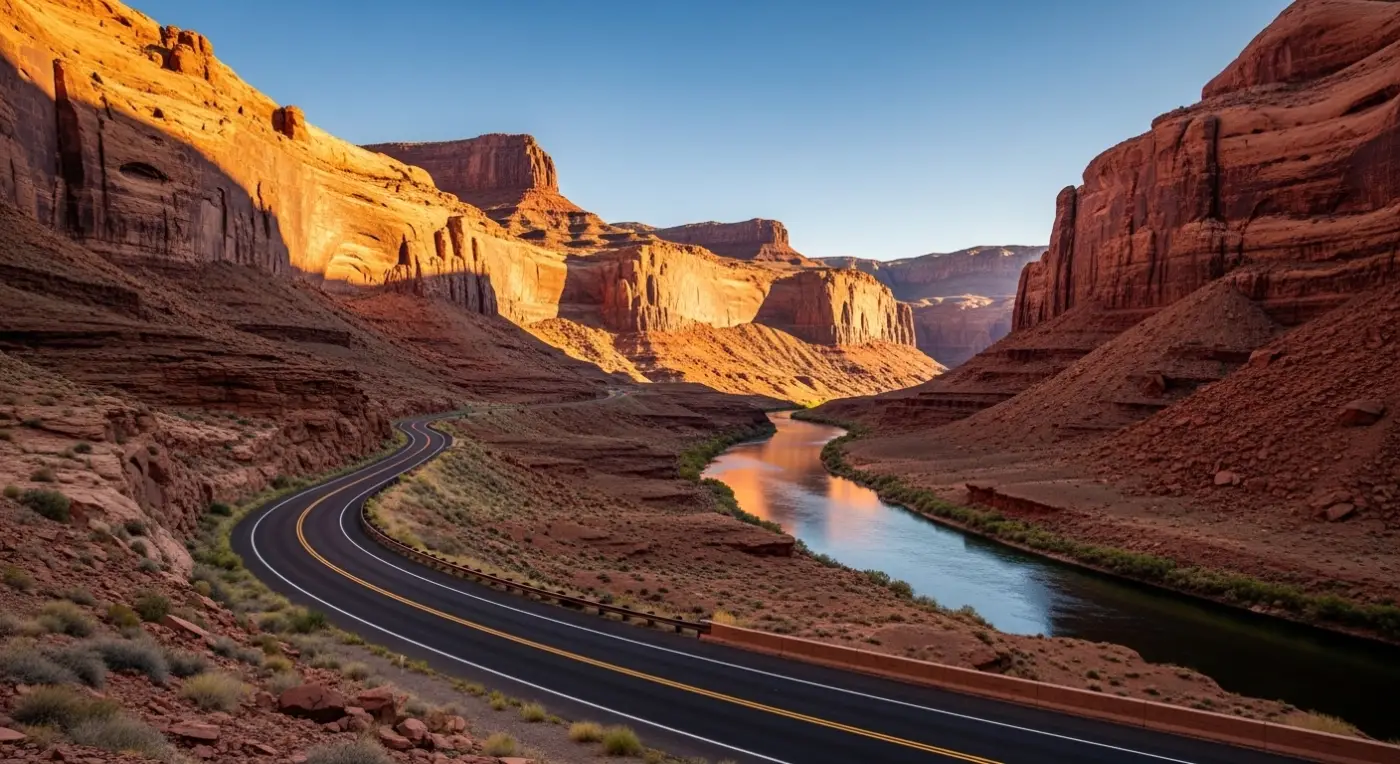
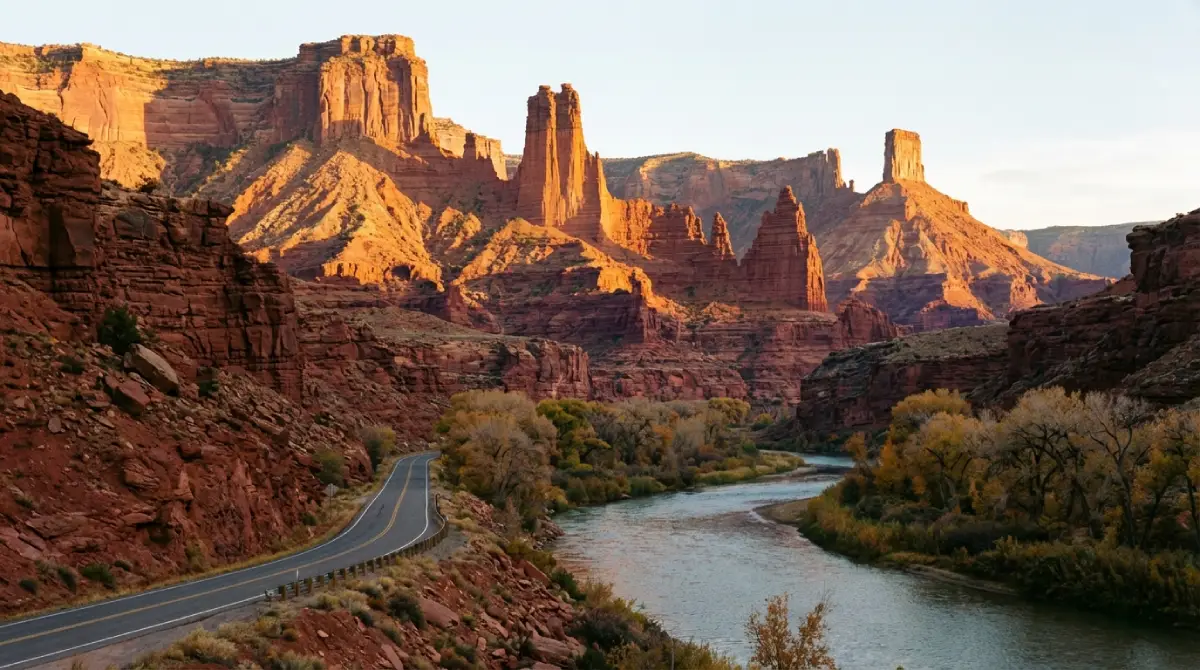
Rather than heading directly north out of Moab, Highway 128 east follows the Colorado River upstream through Castle Valley before looping back to connect with I-70. The first 30 miles deliver continuous river canyon scenery—towering red sandstone walls, cottonwood groves, and views of Castle Tower and the Priest and Nuns rock formations. This section is frequently called Moab's most beautiful paved drive, and it's not wrong.
Connects naturally to I-70 West
Highway 128 meets I-70 at Cisco, adding minimal miles while delivering maximum scenic payoff before the interstate portion begins.
The Park City Extension
Rather than dropping straight down I-15 to Salt Lake, peeling off toward Park City via US-40 adds an hour but delivers a genuinely worthwhile mountain town stop before arriving in SLC. Historic Main Street, the Utah Olympic Park, and the contrast between high alpine terrain and the red rock you just left makes the detour earn its time.
Best for: Travelers with flexible timing, photographers, anyone who doesn't need to hit SLC before evening.
The Stops That Actually Justify Pulling Over
Both routes share access to the same core stops. Here's what's worth the time and what you can skip.
Green River (Mile 53 from Moab)
The first real town north of Moab on US-191 sits at the I-70 junction and deserves more credit than it gets.
John Wesley Powell River History Museum
– Powell's 1869 expedition through the Green River and Grand Canyon system is one of the great American exploration stories. The museum covers it comprehensively with original maps, artifacts, and context for the river canyons you just drove through. Budget 45–60 minutes.
Ray's Tavern
– Locals and road-trippers alike treat this dive bar as a mandatory stop. Burgers, cold beer, and no pretension. If you're timing your departure from Moab to hit Green River at lunch, this is your stop.
Green River itself
– The town is known as the watermelon capital of Utah, with roadside stands operating through late summer. The melons are genuinely exceptional and cheap.
Time needed: 1–2 hours depending on museum interest and meal timing.
Price and Helper (Miles 110–120)
The Price-Helper corridor doesn't make most travel blogs, which is exactly why it's worth knowing.
Utah State University Eastern Prehistoric Museum (Price)
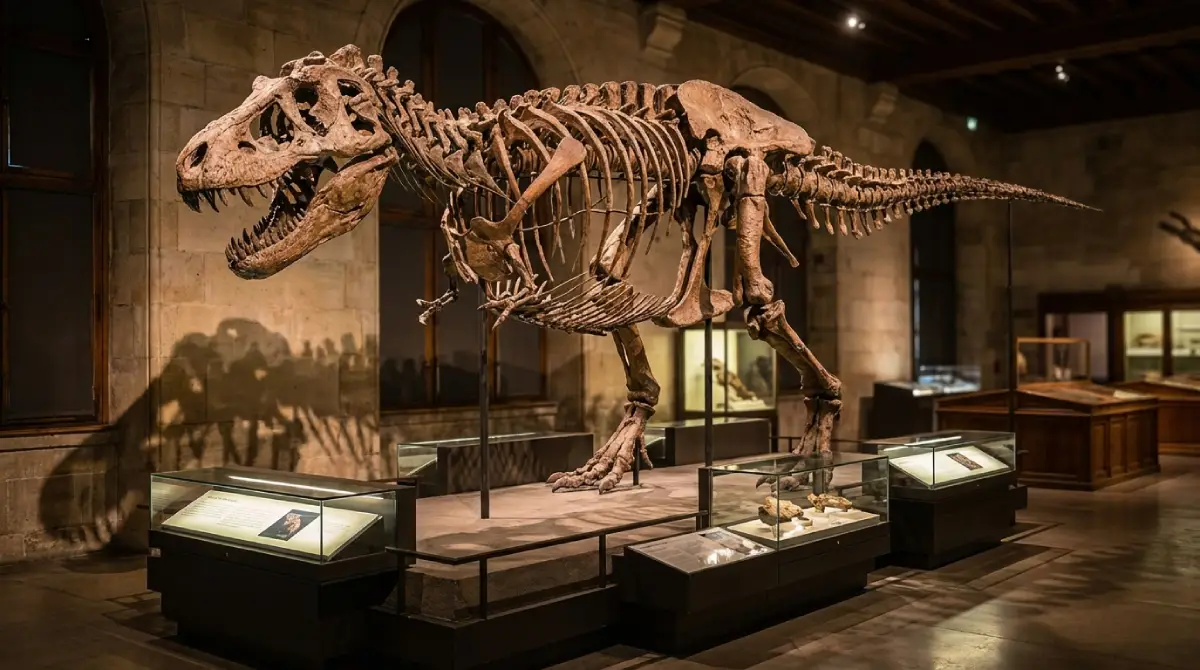
– One of the best dinosaur museums in the West, positioned here because the surrounding Book Cliffs region has produced significant paleontological finds. Full dinosaur skeletons, regional fossil context, and exhibits that explain why this particular stretch of Utah is paleontologically significant. Free admission. Budget 60–90 minutes if you're into it.
Helper, Utah
– A former coal mining company town that's slowly gentrifying without losing its character. The Western Mining and Railroad Museum covers the industrial history that built this region, and the Main Street architecture provides some of the best-preserved early 20th-century commercial building stock in Utah. Worthwhile 30-minute stretch stop.
Price Canyon views
– The road between Price and Spanish Fork moves through genuine canyon terrain. Multiple pullouts exist for views down the canyon. The geology shifts noticeably as you climb from high desert toward the Wasatch Front.
Time needed: 2–3 hours for museum and Helper exploration.
Spanish Fork Canyon and Provo (Miles 155–170)
The canyon narrows as you approach the Wasatch Front, with Bridal Veil Falls visible near the Provo River corridor. The falls drop 607 feet in two cascades and are visible from the road—minimal effort for genuinely impressive scenery.
Provo itself offers legitimate stops if you're not rushing:
BYU campus
– The Brigham Young University campus and adjacent natural history museums are worth the stop for travelers interested in the area's cultural and scientific history.
Provo River Parkway
– If legs need stretching after hours of driving, the paved trail along the Provo River provides a pleasant 30-minute walk with mountain views.
Time needed: 30–60 minutes depending on interest.
Park City (Mile 195, off US-40)
Park City sits 30 minutes off the direct I-15 route but delivers genuine character.
Historic Main Street
– The 19th-century silver mining town infrastructure remains largely intact. Good restaurants, independent shops, and mountain backdrop make this a worthwhile final stop before SLC.
Utah Olympic Park
– The facility built for the 2002 Winter Olympics now operates as an active training center. You can watch athletes in action on the ski jumps and bobsled track during appropriate seasons, and the museum covers the 2002 Games history in detail.
Deer Valley Resort area
– Even outside ski season, the chairlifts operate for mountain biking and sightseeing. The views back toward the Wasatch Range are worth the detour timing.
Time needed: 2–3 hours for a proper Park City stop.
Timing Your Drive: What Actually Makes Sense
Moab to Salt Lake City offers several sensible approaches depending on your situation:
One-day straight shot:
Leave Moab by 8 AM. Stop at Green River for lunch (Ray's Tavern, 1 hour). Museum stop in Price if interest level is there (1.5 hours). Spanish Fork Canyon stretch stop (30 minutes). Arrive SLC by 4–5 PM with proper stops built in. This approach respects the drive's scenery without turning it into an overnight expedition.
Two-day experience:
Spend the night in Green River or Price after exploring both towns deliberately. Leave early the next morning, take the scenic US-40 option through Park City, and arrive in SLC by midday. This approach allows proper time at the Powell Museum, Price dinosaur exhibits, and Park City without feeling rushed through any of it.
Seasonal considerations:
Summer (June–August): Morning departures avoid peak heat in the canyon sections. Green River's watermelon stands operate through September.
Fall (September–October): The best driving weather. Spanish Fork Canyon and Park City area display fall color. Less traffic than summer.
Winter: I-70 and US-6 stay maintained but Price Canyon can create delays in heavy snow. Check UDOT road conditions before departing.
Cell service reality:
US-191 North and I-70 maintain reasonable service. US-6 through Price Canyon has gaps. Download offline maps before leaving Moab. This applies especially if you're taking Highway 128 through Castle Valley, where service disappears for 20-mile stretches.
Start the Trip Right: Moab with Cliffhanger
For most visitors, the Moab to Salt Lake City drive marks the end of their Utah adventure—or the transition from Moab toward the rest of their trip. Either way, what you do in Moab before that drive determines whether you actually experienced what makes this region worth traveling to in the first place.
The canyon country visible from Highway 128, the desert terrain surrounding I-70, the scale of everything you pass through—none of it makes complete sense until you've been in it rather than just adjacent to it. Moab's backcountry trails accomplish exactly that, and they require vehicles actually built for the terrain.
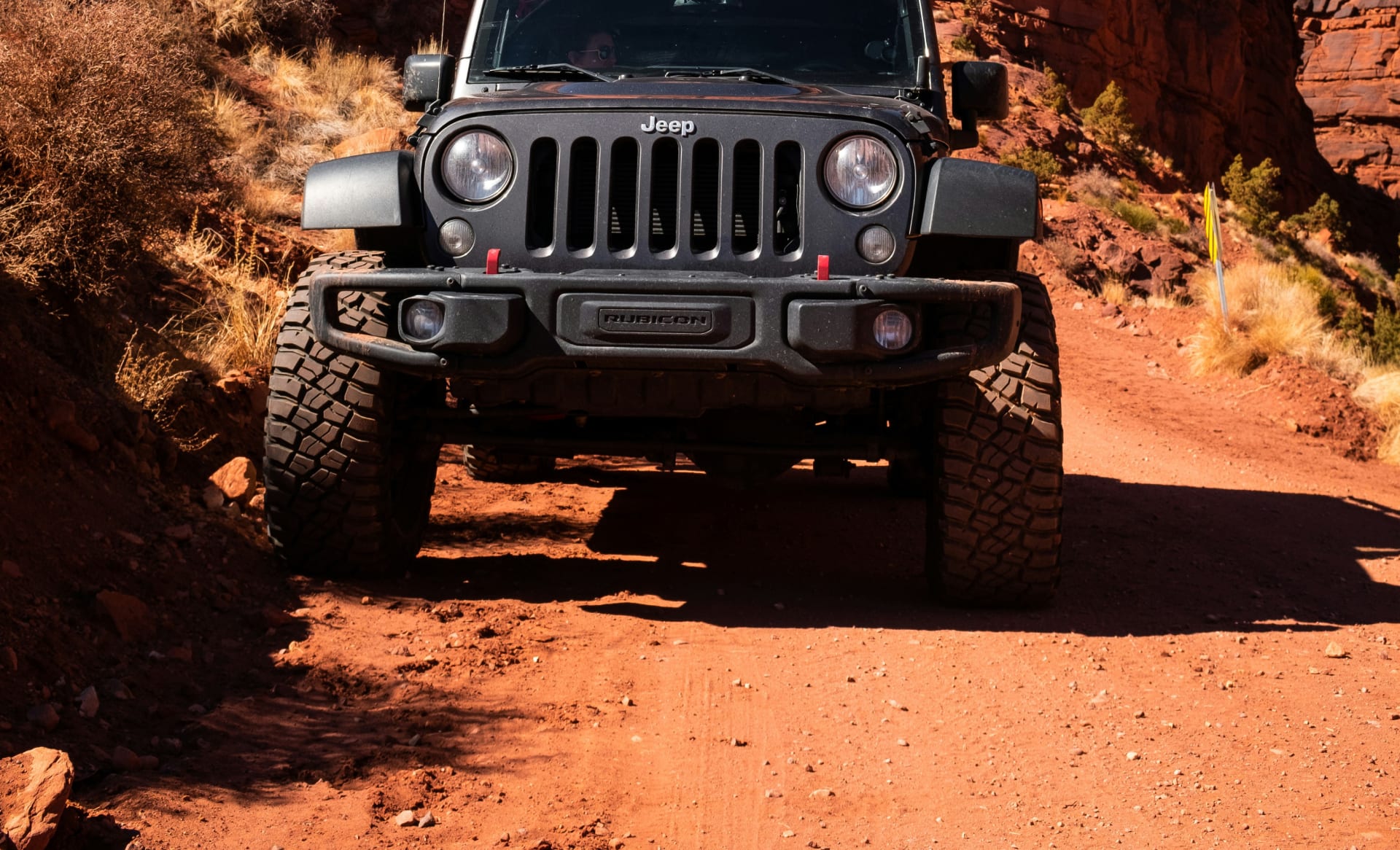
Cliffhanger Jeep Rentals' Moab location provides modified Rubicons with the clearance, capability, and equipment that Moab's actual trails demand. Hell's Revenge, Poison Spider Mesa, Fins and Things, Potash Road to the Shafer Trail loop—these trails exist to be driven, not admired from the pavement. Our vehicles exist specifically for this.
Why Cliffhanger before the drive north:
Experience the canyon terrain from within it before viewing it through a windshield
Understand the scale and geology that makes the drive to SLC visually coherent
Complete Moab correctly rather than spending time wondering what the backcountry actually looked like
Moab location specifics:
Modified Jeep Rubicons: 2.5-inch lift, 35-inch tires, full skid plate protection
Extreme Rubicons: 3.5-inch lift, 39-inch tires for the most demanding terrain
Local staff with current trail conditions and honest capability assessments
Positioned minutes from Potash Road, Hell's Revenge, and Canyonlands access
The drive from Moab to Salt Lake City deserves proper stops, appropriate route selection, and honest timing. But it earns its best context after you've spent time in Moab's actual terrain rather than just passing through it.
The Complete Moab to Salt Lake City Picture
The drive covers 234 miles of Utah's most varied scenery with legitimate stops that justify the time if you know where they are. Green River and Price reward curiosity with history and paleontology the travel blogs consistently overlook. Spanish Fork Canyon and Park City deliver the Wasatch Front transition before Salt Lake City's urban reality arrives. Highway 128 and Castle Valley provide the optional scenic opening that makes the whole corridor cohere visually.
But Moab's role in this story isn't just the starting point for a pleasant drive. It's the reason the drive exists at all—the destination that puts Utah's canyon country into proper context before the road north takes you toward civilization again.
Cliffhanger Jeep Rentals in Moab, Vernal, Silverton, Telluride, and Durango ensures you arrive at Moab's trailheads with vehicles capable of experiencing the terrain rather than just viewing it. Our modified Rubicons handle the backcountry that makes Moab what it is, which makes the drive to Salt Lake City afterward feel like an earned transition rather than just a logistics problem.
Ready to start your Utah adventure properly before heading north? Contact Cliffhanger Jeep Rentals and discover why the canyon country you'll drive through on the way to SLC looks completely different after you've been inside it.