Moab Altitude Guide: Elevation Facts & Desert Conditions

Moab Altitude Guide: Elevation Facts & Desert Conditions

Understanding Moab Altitude and How It Changes Everything

Altitude is simply elevation above sea level. It's a measurement. What makes it matter is what happens to air density, oxygen availability, and your body's response to those changes. Most people don't think about altitude until they arrive somewhere high and start feeling off. By then, understanding comes the hard way.

Moab sits at roughly 4,000 feet. That's not extreme. It's not causing immediate distress for most people. But it's high enough that your body notices. High enough that your vehicle performs differently. High enough that the experience shifts in subtle ways you might not consciously recognize until they accumulate.

Why Altitude Matters in Moab

The trails around Moab climb higher. Some reach 9,000, even 10,000 feet. That elevation gain means less oxygen in every breath, less dense air around your vehicle, and changes to how quickly your body fatigues. It affects how much water you need, how well you sleep, how your lungs respond to exertion. It changes the driving characteristics of your Jeep. It changes visibility and weather patterns.

Understanding Moab altitude isn't about fear. It's about clarity. It's about knowing what's actually happening in your body and your vehicle so you can adjust accordingly instead of being confused by why you feel tired or why your engine sounds different or why the sun feels more intense.

Here's what altitude affects:

  • Oxygen levels in the air and what that means for your breathing and energy

  • Your vehicle's engine performance and fuel consumption

  • How quickly you dehydrate and how much water you actually need

  • Temperature swings between day and night

  • UV intensity and sun exposure risks

  • How quickly weather can change and how severe it becomes

  • Your sleep quality and recovery between days of driving

What This Guide Covers

Moab altitude guide information helps you prepare for what you'll actually experience. It's not about memorizing elevations. It's about understanding the mechanisms so you can make smart decisions about pacing, hydration, acclimatization, and when conditions matter.

This guide walks through:

  • What elevation Moab sits at and what that baseline means

  • How altitude affects your physical body specifically

  • How it changes your vehicle's performance and needs

  • Desert conditions and how they intensify or shift at elevation

  • What preparation actually does and what timeline makes sense

  • Safety considerations and red flags worth knowing

  • Practical adjustments for different elevations you'll encounter

Where Moab Sits and Why That Matters

Moab sits at approximately 4,000 feet above sea level. That's not the highest place in Colorado. It's not extreme altitude in the way some mountain towns are. But it's high enough that the air is noticeably less dense than at sea level. High enough that your body registers the change. High enough that people who aren't accustomed to it feel effects within hours of arriving.

To put this in perspective: Denver sits at 5,280 feet, which is why it's called the Mile High City. Moab is roughly 1,300 feet lower, which means more oxygen availability than Denver but less than any coastal city. It's a middle ground, which sounds manageable until you're there and realize that middle ground still has real effects.

What 4,000 Feet Actually Means

At sea level, the atmosphere has roughly 21% oxygen and full air density. As elevation increases, air density decreases and oxygen becomes less available with each breath. At 4,000 feet, you're breathing air that's about 12% less dense than sea level. That doesn't sound dramatic, but your body notices immediately.

Your lungs work harder to extract oxygen from thinner air. Your heart works harder to pump blood that carries that oxygen to your muscles and brain. Your kidneys respond to decreased oxygen by producing more red blood cells, which is the acclimatization process. This all happens automatically, but it's work your body is doing constantly in the background.

What 4,000 feet elevation means:

  • Oxygen availability is reduced compared to sea level

  • Air density is lower, so each breath delivers fewer oxygen molecules

  • Your body begins immediate acclimatization processes

  • Physical exertion feels harder because your cardiovascular system is working overtime

  • Dehydration happens faster because your body uses more water trying to extract oxygen

  • Sleep patterns can shift as your body adjusts

  • Headaches are common during the first 24-48 hours for people from sea level

How Moab Compares to Other Elevations

Moab at 4,000 feet sits in the middle of the altitude spectrum. It's higher than most major cities but lower than many mountain towns. If you're coming from sea level, the shift is noticeable. If you're coming from Denver or other high-elevation cities, Moab feels lower and easier. If you're coming from the Pacific Northwest or Midwest, the adjustment period is longer.

The surrounding terrain changes the equation. Trails in the Moab area climb significantly. White Rim Trail reaches approximately 6,000 feet in sections. Hell's Revenge peaks around 5,800 feet. The higher passes—some reaching 9,000 to 10,000 feet—present a different altitude experience entirely. You're not just driving at Moab's baseline. You're climbing during your drive, which adds another layer of physiological demand.

The Bottom Line

Moab altitude sits at a level where most people can function without extreme difficulty, but it's high enough that your body and vehicle respond to the elevation. Understanding this baseline helps you recognize what's normal adjustment and what's concerning. The Moab altitude experience isn't just about the town—it's about the elevation gains you'll encounter on trails that climb significantly higher. Preparation that accounts for this makes the difference between a smooth experience and one where you're tired, headachy, and confused about why you're exhausted after less physical exertion than you'd normally expect.

how-your-body-responds-to-altitude

How Your Body Responds to Moab Altitude

Your body is designed to function at sea level. That's where humans evolved. When you arrive at higher elevation, your physiology immediately begins responding to lower oxygen availability. These responses are automatic and mostly beneficial—they're your body's attempt to extract and use oxygen more efficiently. But they also create side effects and demand energy, which is why high elevation can feel uncomfortable until your system adjusts.

Here's what altitude does to your body:

  • Oxygen availability decreases, forcing your lungs to work harder with each breath

  • Your heart rate increases to pump blood more frequently and deliver oxygen to tissues

  • Your body produces more red blood cells to carry oxygen more efficiently (acclimatization)

  • Dehydration accelerates because your body uses more water managing oxygen extraction

  • Sleep patterns shift as your body adjusts to processing less oxygen during rest

  • Physical exertion feels harder because your cardiovascular system is already working overtime

  • Altitude sickness can develop if your body can't acclimatize fast enough

  • Headaches, nausea, and fatigue are common during the first 24-72 hours

  • Susceptibility varies by genetics, fitness level, hydration status, and how quickly you arrived

  • Seasonal temperature shifts affect how much water you lose and how your body handles cold

  • Winter at Moab altitude means additional stress as your body manages both altitude and cold

Understanding Acclimatization and Altitude Sickness

Acclimatization is your body's adaptation process to lower oxygen. It doesn't happen overnight. It takes roughly 3-7 days for significant acclimatization at 4,000 feet, and longer if you're climbing to higher elevations during your trip. During this period, your body is producing more red blood cells, adjusting breathing patterns, and recalibrating how it uses oxygen. This process is exhausting. You're tired not because you're weak or out of shape—you're tired because your body is actively managing a physiological shift.

Altitude sickness occurs when acclimatization can't keep pace with elevation gain. Common symptoms include headaches that feel like pressure behind your eyes, nausea, fatigue beyond normal tiredness, shortness of breath, and dizziness. Most cases are mild and resolve with time and hydration. Severe altitude sickness involves difficulty breathing even at rest, confusion, and loss of coordination. Severe cases require immediate descent to lower elevation.

Who's susceptible varies. Younger people sometimes acclimatize faster but aren't immune. Fitness level helps but doesn't guarantee safety. Genetics play a role. Previous altitude exposure matters. How fast you ascended and how much water you drank on arrival all affect susceptibility. You cannot predict your own response without experiencing it, which is why honesty about symptoms matters.

Dehydration at Altitude

Your body loses water faster at higher elevation. The combination of lower humidity, increased breathing rate (which dries respiratory passages), increased urine production, and physical exertion all drain your water reserves simultaneously. You can become significantly dehydrated while believing you're fine because the warning signs—thirst, dark urine—show up late.

Dehydration at Moab altitude compounds altitude sickness symptoms. A headache that's partly altitude sickness and partly dehydration feels the same and requires both descent time and aggressive hydration to resolve. The solution is drinking more water than you think you need, starting before you feel thirsty.

Sleep and Recovery

Sleep quality changes at altitude. You might fall asleep easily but wake frequently. You might experience vivid dreams or night sweats as your body processes oxygen during rest. You might wake feeling less refreshed than normal sleep would provide. Some people need more sleep at altitude to feel recovered. Others feel jet-lagged regardless of how much they sleep.

This matters for a full day of trail driving. If you didn't sleep well your first night at Moab altitude, your second day on the trail is harder because your body is managing both altitude adjustment and fatigue. Expecting to arrive, sleep like normal, and drive hard the next day is setting yourself up for a difficult experience. Plan for reduced sleep quality and allow your body recovery time.

Physical Exertion and Fatigue Changes

Hiking, climbing, or doing physical work at altitude is harder than at sea level. A hike that would take you two hours at sea level might take three at Moab altitude. Not because you're weaker, but because your cardiovascular system is working at capacity just to manage normal breathing and oxygen delivery. Add exertion on top of that, and your body is running a deficit.

This matters for trail driving and any walking around at elevation. Driving itself isn't strenuous, but if you're hiking to a viewpoint or doing physical setup for wedding party photos or exploring areas on foot, expect fatigue that seems disproportionate to the effort. Pace accordingly. Build in recovery time. Don't treat your first day at altitude as a testing ground for how hard you can push.

Seasonal Effects on Altitude Response

Winter at Moab altitude adds cold exposure to altitude adjustment. Your body is working to stay warm and manage lower oxygen simultaneously. This increases caloric needs and water loss. Spring and fall bring stable temperatures and easier acclimatization. Summer brings heat, which accelerates dehydration and compounds altitude stress. Understanding seasonal context helps you prepare appropriate water intake and rest strategy.

Keep In Mind: Everyone experiences Moab altitude effects differently, and your acclimatization isn't a measure of fitness or toughness. It's a physiological response to environmental conditions. The person who acclimates slowly isn't weaker. They just need different timing. Honesty about how you're feeling—not pushing through serious symptoms—is what keeps altitude adjustment safe. Hydrate aggressively from arrival, plan lighter activity your first full day, and recognize that fatigue at Moab altitude is your body doing necessary work, not evidence that you should be doing more.

What Altitude Does to Your Jeep's Engine

Your vehicle's engine needs oxygen to create combustion. At 4,000 feet, the air is thinner, so your engine produces roughly 12-15% less power than at sea level. This is normal. Your Jeep compensates automatically. You'll notice slightly slower acceleration and less responsive hill-climbing, but the vehicle is fine. Fuel efficiency might decrease slightly, but not dramatically.

Engine and Cooling at Moab Altitude

Thinner air means your cooling system works harder. Desert heat combined with altitude cooling stress puts your radiator at capacity. Check your coolant level before driving. Monitor your temperature gauge while on the trail. If it climbs higher than normal, stop and let the engine cool.

Tire pressure decreases slightly with elevation gain. Your rental Jeep comes properly inflated for Moab conditions. You don't need to adjust them unless you're climbing to significantly higher elevations (9,000+ feet), in which case check pressure at your highest point.

Turbo engines handle altitude better than naturally aspirated engines because they force air into the engine, partially compensating for lower air density. Either way, your rental vehicle is equipped to handle Moab altitude.

Remember: What you're experiencing at Moab altitude is normal vehicle performance change, not mechanical failure. Less power, increased cooling demands, and fuel efficiency shifts are expected. Your Jeep is designed for this. Monitor temperature and fuel, and drive confidently.

Desert Conditions and What Elevation Changes

The desert at Moab altitude creates conditions that shift rapidly and demand respect. Temperature swings are extreme. UV exposure is intense. Weather changes fast. Precipitation patterns vary by season. Understanding these conditions helps you prepare properly instead of being blindsided by how harsh the environment can be.

Temperature Extremes and Elevation

At Moab altitude, temperature swings between day and night are dramatic. Daytime temperatures can reach 95+ degrees in summer. Nighttime temperatures drop to the 40s or 50s, even in summer. This swing happens because thin air retains heat poorly. Sunlight heats the ground intensely, but that heat radiates away quickly once the sun sets.

Spring and fall bring more moderate temperatures but still significant swings. Winter nights can drop below freezing. Understanding this matters for what you pack and how you manage yourself physically.

Temperature variations at Moab altitude:

  • Summer days often exceed 95 degrees, nights drop to 50s or lower

  • Spring and fall see swings from 70s during day to 40s at night

  • Winter days stay mild (50s-60s) but nights freeze

  • Your vehicle radiates heat quickly once parked in shade

  • Dehydration accelerates in the heat, making cold nights deceptive

UV Intensity and Weather Shifts

UV intensity increases with elevation. At 4,000 feet, you're receiving noticeably more UV radiation than at sea level. Combined with desert reflection off red rock, UV exposure is significant. Sunburn happens faster than you'd expect. Sun damage accumulates quickly. Long sleeves, hats, and sunscreen aren't optional—they're protective requirements.

Weather at Moab altitude can change in hours. Clear morning becomes afternoon storm. Stable conditions shift to wind. This is why checking weather before you go matters and why paying attention while you're out there matters. Flash floods during monsoon season (July-September) are real. Washes that look dry can fill rapidly after distant rain. If you see dark clouds building or hear thunder, head to higher ground immediately.

Precipitation and Seasonal Patterns

Spring (March-May) brings occasional rain but generally dry conditions. Summer (June-August) brings monsoon storms that arrive suddenly and dump water fast. Fall (September-November) returns to relative dryness. Winter (December-February) can bring snow at higher elevations and rain at lower elevations, but Moab itself rarely gets heavy snow.

Seasonal considerations:

  • Spring: Occasional rain, mostly stable, good visibility

  • Summer: Flash flood risk during monsoon, intense heat, afternoon thunderstorms possible

  • Fall: Stable conditions, lower temperatures, good visibility

  • Winter: Unpredictable weather, potential snow at elevation, freeze-thaw cycles

DOs and DONTs for Desert Conditions

DO check weather before you leave town and pay attention while you're driving. DO wear protective clothing and sunscreen even on cool days. DO understand that clear skies can change to threatening storm conditions in minutes. DO turn back if weather deteriorates or you see flooding hazards. DON'T assume that because you can't see rain, a wash is safe to cross. DON'T underestimate UV exposure at Moab altitude. DON'T drive through water unless you're certain of depth and current.

Think of it this way: Moab altitude desert conditions aren't hostile, but they're unforgiving. The environment doesn't adjust for you. You adjust for the environment. Extreme temperature swings mean packing layers and managing hydration differently than you would at lower elevation. Intense UV means protecting your skin aggressively. Rapid weather changes mean staying alert and making quick decisions. Flash flood risk means respecting water and terrain. The difference between a smooth day and a difficult one often comes down to whether you understood these conditions and prepared accordingly.

moab-altitude-preparation-and-acclimatization

Preparation and Acclimatization

Preparation for Moab altitude isn't complicated, but it does require thinking ahead. The further out you plan, the better you can manage acclimatization. The more honestly you assess your fitness and health, the better decisions you'll make. This isn't about being paranoid or over-preparing. It's about creating conditions where your body can adapt without feeling terrible in the process.

Here's what actually matters:

  • How many days before your trip you arrive affects acclimatization success

  • Your baseline fitness influences how quickly your body adapts

  • What you do on your first day determines how you feel on day two

  • Hydration strategy from arrival onward changes the entire experience

  • Sleep quality and rest patterns matter more at altitude

  • Pre-existing health conditions need honest assessment before you go

Timeline for Arrival and Acclimatization

Ideally, arrive at Moab at least 24 hours before your first full day of trail driving. This gives your body a baseline acclimatization window. Arriving the morning of your drive means spending your first day adjusting while physically pushing. Not ideal, but doable if you manage expectations and pace carefully.

If you can arrive 2-3 days early, even better. Three days allows meaningful acclimatization for most people. By day three, your body has made significant adjustments and you'll feel substantially better than day one. Spending your first 1-2 days exploring town, eating, sleeping, and staying hydrated prepares you better than arriving and immediately hitting challenging terrain.

Pre-Trip Fitness and Oxygen Conditioning

Physical fitness helps with acclimatization but doesn't guarantee easy adaptation. Fit people sometimes struggle at altitude. Unfit people sometimes adapt quickly. Genetics and previous altitude exposure matter as much as current fitness level.

That said, going in reasonably fit helps:

  • Cardiovascular fitness means your heart is efficient at delivering oxygen

  • Leg and core strength help with the physical demands of technical driving

  • General fitness reduces overall stress on your body while it's managing altitude

  • Previous high-elevation experience provides your body baseline understanding of adaptation

If you haven't done cardio recently, start 3-4 weeks before your trip. Nothing extreme—regular walking, cycling, or running conditions your system. If you're significantly overweight or have existing cardiovascular conditions, this prep work matters more.

Your First Day at Moab Altitude

Your first full day should be light. This isn't the day to tackle White Rim Trail or prove how tough you are. Spend your first day exploring town, eating well, hydrating aggressively, and resting. Take a short drive on an easy trail if you want to get a feel for your vehicle, but don't push. Sleep matters more than activity on day one.

Walking around town at 4,000 feet in the heat, staying hydrated, eating regular meals, and sleeping well does more for acclimatization than any specific activity. Your body is working hard in the background. Help it by providing rest, water, and nutrition.

Hydration Strategy from Arrival Onward

Start hydrating the moment you arrive. Not just when you feel thirsty. Drink water regularly—roughly half your body weight in ounces per day as a baseline, then add more for activity and heat. Include electrolyte replacement. Plain water alone doesn't fully address altitude dehydration.

IF you're arriving from sea level, THEN start aggressive hydration immediately and maintain it throughout your stay. IF you're coming from another high-elevation location, THEN your hydration needs are less critical but still important. IF you're doing a full day of trail driving, THEN bring at least 3-4 liters of water per person and drink throughout the day, not just when you're tired. IF it's summer, THEN increase water intake significantly and plan earlier starts to avoid midday heat.

Sleep and Rest Considerations

Sleep quality changes at altitude. You might sleep poorly your first night despite being exhausted. This is normal. Your body is adjusting. Expect weird dreams, night sweats, or waking frequently. By night two or three, most people sleep better as acclimatization progresses.

Plan for needing slightly more sleep than normal. If you typically sleep seven hours, plan for eight at Moab altitude, especially your first few days. Avoid heavy alcohol, which dehydrates you and disrupts sleep further. Avoid sleeping pills unless you have them prescribed, as they can depress your respiratory system when you're already managing low oxygen.

Medical Consultation Before Your Trip

If you have heart disease, lung disease, high blood pressure, or other conditions affecting oxygen delivery or cardiovascular function, talk to your doctor before going to Moab altitude. If you take medications, verify they're safe at elevation. If you've had altitude sickness before, discuss strategies with your doctor.

You don't need medical clearance for Moab unless you have serious health conditions. Most people can handle 4,000 feet without issue. But honesty with your doctor about your health and your trip plans prevents complications.

Keep In Mind

Preparation for Moab altitude isn't about being overcautious. It's about understanding what your body will experience and creating conditions where adaptation happens smoothly. Arriving early, hydrating aggressively, sleeping well, and pacing your first full day of activity makes a measurable difference in how you feel and perform. The effort you put in before arrival determines whether you're fighting your body or working with it. Respect the altitude, prepare honestly, and your trip becomes something you actually enjoy instead of something you endure.

Altitude Safety and Real Talk

Altitude sickness is real, but most cases are mild and manageable. Severe altitude sickness is rare at 4,000 feet. However, knowing the difference between normal adjustment discomfort and concerning symptoms keeps you safe. Recognizing red flags early prevents situations from escalating.

Warning Signs and When They Matter

Mild altitude sickness symptoms include headache, nausea, fatigue, and dizziness. These are normal during the first 24-72 hours. They're uncomfortable, not dangerous. Severe symptoms include difficulty breathing even at rest, confusion, loss of coordination, and extreme lethargy. Severe symptoms require immediate descent.

Red flags requiring descent:

  • Difficulty breathing even when sitting still

  • Severe confusion or altered mental state

  • Loss of balance or coordination

  • Extreme headache that doesn't respond to pain medication and hydration

  • Persistent vomiting

  • Blue lips or fingernails

When to Descend

If you develop concerning symptoms, descend immediately. Losing 1,000-2,000 feet of elevation often resolves acute symptoms within hours. Don't push through serious symptoms hoping they'll improve. Don't assume tough it out is a valid strategy. Descending isn't failure—it's recognizing reality and responding appropriately.

Working with existing health conditions at Moab altitude requires honesty about limitations. If your doctor advised against high elevation, listen. If medications are affected by altitude, adjust accordingly. If you have heart or lung conditions, discuss Moab specifically with your doctor before going.

If something goes wrong—serious injury, medical emergency, vehicle breakdown—cell service is spotty but exists in town. Emergency services can reach Moab, though response times are longer than in cities. Having communication capability and knowing where help is matters.

Remember: Moab altitude is manageable for most people, but respect it. Minor symptoms are normal adjustment. Serious symptoms demand descent. Honesty about how you're feeling—not stoicism—keeps your trip safe and actually enjoyable.

What Understanding Moab Altitude Actually Changes

Understanding altitude isn't academic. It changes how you prepare, what you expect, and how you respond when things don't go exactly as planned. When you know why you're tired on day one, why your vehicle feels different, why hydration matters more than you thought, you stop blaming yourself and start respecting the environment. That shift from self-blame to environmental respect is the difference between a frustrated experience and one where you're working intelligently with what's actually happening.

This knowledge also removes fear. Fear comes from not understanding. Understanding comes from knowing what's normal, what's concerning, and what you can actually do about it. You arrive knowing that less power in your engine is expected. You recognize that a headache on day one might be altitude adjustment, not a sign that you can't handle this. You understand that aggressive hydration isn't excessive—it's appropriate. You prepare based on reality instead of hope.

Elevation and the Clarity People Come for

There's something about altitude and exertion and being outside that creates clarity. Not because elevation is magical, but because your body and mind are engaged in the actual work of adaptation and movement. You're not distracted by routine. You're not managing a dozen competing demands. You're breathing thin air, managing hydration, reading terrain, staying present. That presence is what sticks with people. That's why they come back.

Understanding Moab altitude doesn't diminish this experience. It enables it. When you've prepared properly, when you know what to expect, when you're not fighting your body or second-guessing whether something is wrong, you're actually available for the clarity that comes from being outside pushing your own limits. Preparation isn't the opposite of spontaneity. It's the foundation that makes spontaneity possible.

Prepare based on your specific situation. If you're coming from sea level, arrive early and hydrate aggressively. If you're coming from another high-elevation location, your needs are different. If you have health conditions, talk to your doctor specifically about Moab altitude. If you're new to trail driving, manage your expectations for your first day. If you're experienced, you still acclimatize like everyone else. Honest assessment of your situation leads to honest preparation, which leads to genuine experience instead of regret.

Share This Article

Back to Blog
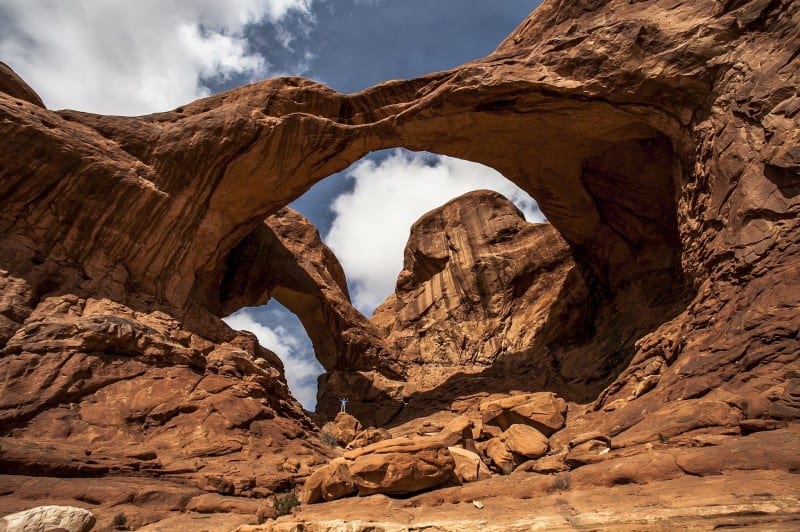
Scenic view of Moab's red rock arches

Ready for an Adventure?

BOOK NOW