Here's what the glossy tourism brochures conveniently omit about Colorado altitude: one in four visitors develops acute mountain sickness before they even hit the trailhead, your vehicle loses 3% of its horsepower for every thousand feet of elevation gain, and at the summit of passes like Imogene or Engineer, you're breathing air with 40% less oxygen than you had at sea level. Welcome to the thin air state—where unprepared adventurers discover that altitude isn't just a number on a map.
Colorado isn't called the "highest state" for nothing. With a mean elevation of 6,800 feet—higher than any other state in the nation—even the lowlands here would qualify as "high altitude" in most other parts of the country. The state contains 58 peaks exceeding 14,000 feet, more than 600 summits over 13,000 feet, and some of the highest driveable roads on the continent. For off-road enthusiasts, this translates to adventure opportunities found nowhere else in North America. It also translates to physiological and mechanical challenges that can turn a dream trip into a rescue call.
Understanding Colorado's Altitude Zones
The International Society for Mountain Medicine classifies altitude into distinct categories, and Colorado spans all of them. Understanding where you'll be operating matters more than most visitors realize.
Denver and the Front Range (5,000–6,000 feet):
The Mile High City sits at 5,280 feet—already high enough that some sea-level visitors notice mild symptoms. Most people acclimatize here within 24 hours.
Mountain towns and ski resorts (7,000–10,000 feet):
Breckenridge (9,600 feet), Telluride (8,750 feet), Silverton (9,318 feet), and Leadville (10,152 feet—the highest incorporated city in America) fall into the "high altitude" category where 25% of visitors develop acute mountain sickness.
Above treeline (10,000–12,000 feet):
This is where Colorado's legendary 4x4 trails begin. The Alpine Loop, Cinnamon Pass (12,620 feet), and Engineer Pass (12,800 feet) operate in this zone. Altitude sickness rates climb toward 50%.
Extreme high altitude (12,000–14,000+ feet):
Imogene Pass (13,114 feet), Mosquito Pass (13,185 feet—the highest driveable pass in Colorado), and Black Bear Pass (12,840 feet) push vehicles and humans to their limits. At these elevations, 75% of unacclimatized visitors develop symptoms.
The summit zone (14,000+ feet):
Mount Blue Sky Scenic Byway reaches 14,264 feet—the highest paved road in North America. At this altitude, you're breathing air with 43% less oxygen than at sea level.
What Altitude Actually Does to Your Body
The physics are straightforward but the effects are brutal. At sea level, atmospheric pressure pushes air into your lungs at 14.7 pounds per square inch. At 12,000 feet, that pressure drops to roughly 9.3 psi. The percentage of oxygen remains constant at 21%—but 21% of a significantly smaller number means dramatically less oxygen reaches your bloodstream with each breath.
At Telluride's base elevation of 8,750 feet, you're already breathing the equivalent of 15% oxygen at sea level. At the summit of Engineer Pass, that drops to approximately 12.5%. Your body responds by increasing respiration rate, elevating heart rate, and triggering a cascade of physiological adjustments that take days to complete.
The CDC documents that acute mountain sickness affects 25% of all visitors sleeping above 8,000 feet in Colorado. The symptoms read like a severe hangover: pounding headache, nausea, dizziness, fatigue, and difficulty sleeping. For most people, these resolve within 24 to 48 hours as the body acclimatizes. For others—particularly those who ascend too fast or push physical exertion before acclimatizing—the situation can escalate.
High-altitude pulmonary edema (HAPE) occurs when fluid accumulates in the lungs. High-altitude cerebral edema (HACE) involves swelling of brain tissue. Both conditions can be fatal without immediate descent. The Institute for Altitude Medicine notes that someone experiencing HACE may appear drunk—stumbling, confused, with slurred speech—despite having consumed no alcohol. This is a medical emergency.
Colorado's Legendary High-Altitude 4x4 Passes
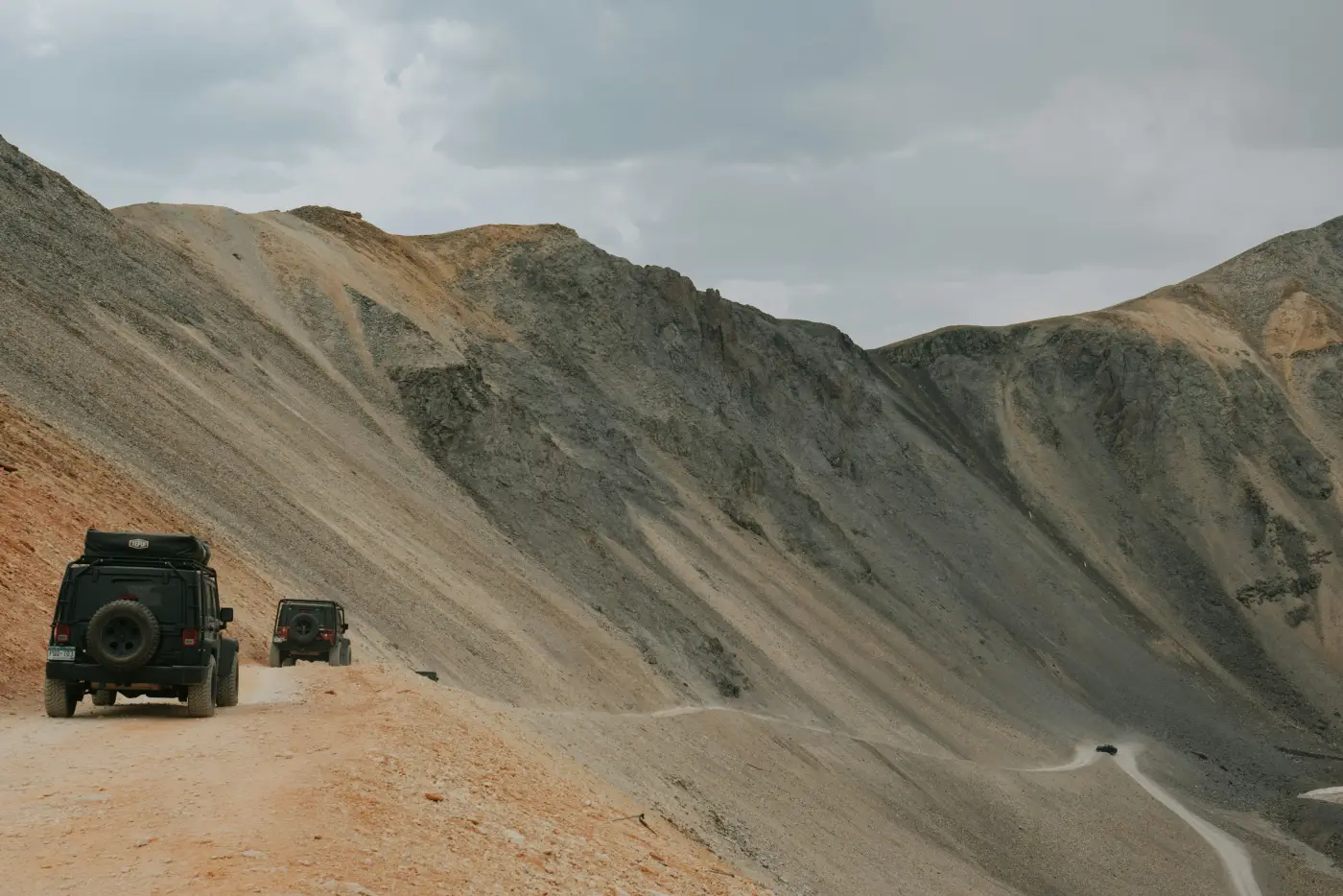
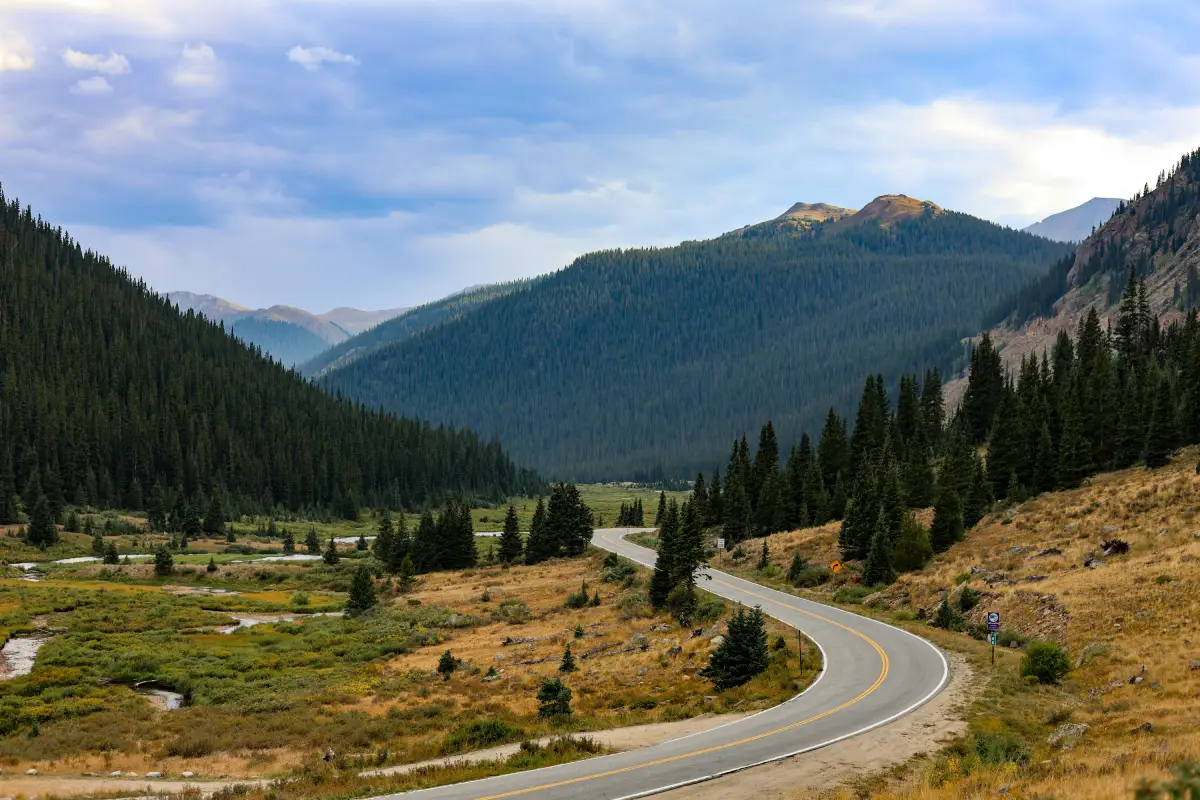
The San Juan Mountains in southwestern Colorado contain the highest concentration of driveable passes in North America. These routes—originally carved by miners in the 1870s and 1880s—now attract off-road enthusiasts from around the world. But the altitude that makes them spectacular also makes them dangerous for unprepared vehicles and drivers.
Imogene Pass (13,114 feet):
The second-highest driveable pass in Colorado connects Ouray to Telluride through 18 miles of alpine terrain. At the summit, you're higher than many commercial airline cruising altitudes. The pass typically opens in early July after snow plowing and closes with the first significant autumn storms.
Mosquito Pass (13,185 feet):
Colorado's highest driveable pass connects Leadville to Fairplay across the Mosquito Range. The road has deteriorated significantly in recent years, with the west side now challenging even for properly equipped 4x4 vehicles.
Engineer Pass (12,800 feet):
Part of the famous Alpine Loop, Engineer connects Silverton to Lake City via one of the most scenic routes in the state. The western approach from Ouray is technical and demands experience; the eastern descent to Lake City is more forgiving.
Cinnamon Pass (12,620 feet):
The southern route of the Alpine Loop, Cinnamon offers slightly easier terrain than Engineer while delivering equally stunning views of the American Basin—one of the most photographed wildflower locations in Colorado.
Black Bear Pass (12,840 feet):
Consistently ranked among the most dangerous roads in North America, Black Bear descends 1,800 feet in just 12 switchbacks. The infamous "Steps" section features ledges that have claimed vehicles and occasionally lives. This trail is one-way only from the summit to Telluride.
How Altitude Destroys Vehicle Performance
Your vehicle suffers from altitude just like your lungs do. The engine is essentially an air pump—it draws in atmosphere, mixes it with fuel, and creates combustion. Less atmospheric pressure means less air density, which means less oxygen for combustion. The result is measurable, significant power loss.
The established rule for naturally aspirated engines is 3% power loss per thousand feet of elevation gain. A vehicle rated at 300 horsepower at sea level produces roughly 264 horsepower in Denver. At Engineer Pass (12,800 feet), that same engine delivers only 185 horsepower—a 38% reduction. On steep grades with loose rock and limited traction, this power deficit becomes critically important.
Turbocharged engines fare better, with power loss closer to 1% per thousand feet. The turbocharger compresses intake air, partially compensating for lower atmospheric pressure. However, turbo systems face their own altitude challenges: reduced cooling efficiency, higher boost pressures, and potential overheating. The Garrett Motion engineering team documents that turbos must work significantly harder at elevation to maintain sea-level performance, increasing stress on the entire system.
Additional altitude-related vehicle concerns include:
Cooling system strain:
Thinner air provides less convective cooling for radiators and intercoolers. Engine temperatures rise faster on sustained climbs, particularly in ambient temperatures above 70°F.
Brake fade on descents:
Extended downhill runs from 13,000 feet require sustained braking that can overheat pads and rotors. Engine braking in low gear becomes essential.
Tire pressure fluctuation:
Atmospheric pressure changes can add 3–5 psi to tires during ascent, affecting traction and handling on rocky terrain.
Fuel octane considerations:
Colorado mountain stations often sell 85-octane fuel (versus 87 at sea level) because naturally aspirated engines need less octane protection at altitude. However, if you fill up at elevation and descend with that fuel, modern engines may experience knock until the tank is depleted.
The Acclimatization Timeline Most Visitors Ignore
Research from the University of Colorado Anschutz Medical Campus confirms what mountain guides have known for decades: rushing acclimatization is the primary cause of altitude illness. The body requires time to increase red blood cell production, adjust breathing patterns, and recalibrate oxygen transport mechanisms.
The Wilderness Medical Society recommends avoiding ascent to sleeping elevations above 9,000 feet in a single day. Once above 9,800 feet, they suggest ascending no more than 1,650 feet per sleeping elevation per night. For visitors flying into Denver from sea level and driving immediately to Breckenridge or Telluride, these guidelines are almost impossible to follow—which explains why one quarter of them get sick.
Practical acclimatization strategies include spending one or two nights on the Front Range before heading to higher elevations, avoiding alcohol for the first 48 hours at altitude (it suppresses respiration and worsens dehydration), staying aggressively hydrated (altitude increases fluid loss through respiration), and limiting physical exertion during the first day at any new elevation. Acetazolamide (Diamox), available by prescription, speeds acclimatization and reduces symptom severity when taken 24 hours before ascending.
Weather Compounds Every Altitude Challenge
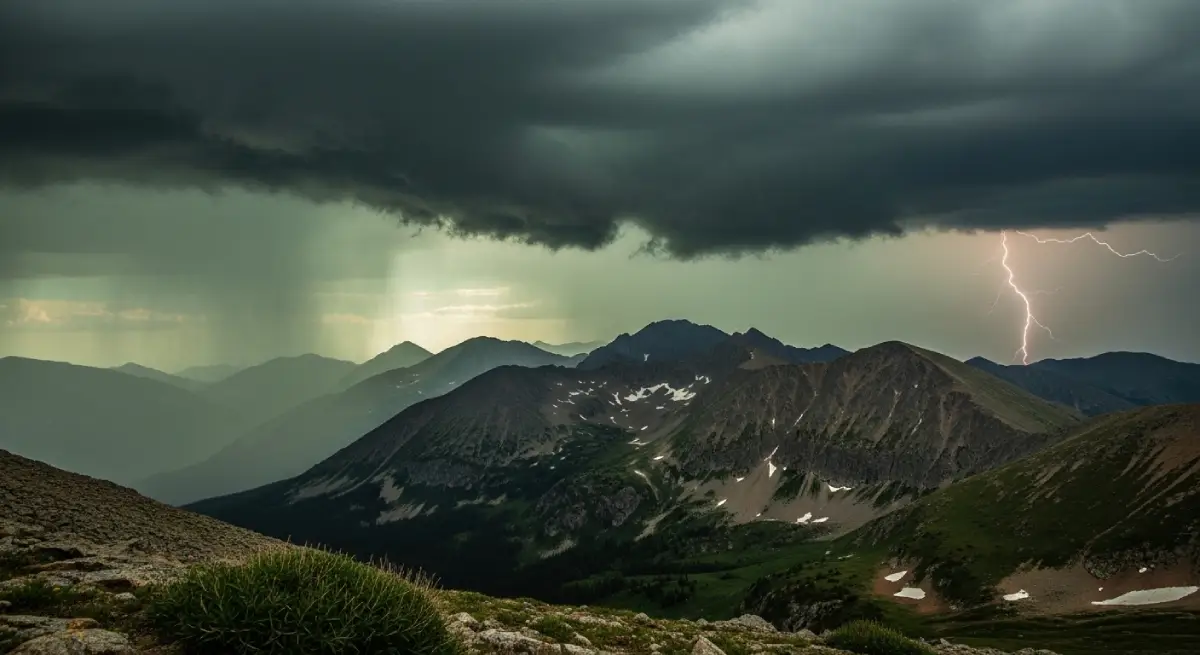
Colorado's high-altitude terrain generates its own weather—often violently. The state's topography creates rapid convective development, meaning clear morning skies can produce severe thunderstorms by early afternoon. At elevations above treeline, there's no shelter from lightning, hail, or sudden temperature drops.
Mountain weather patterns demand early starts. Experienced 4x4 enthusiasts on the Alpine Loop or Imogene Pass aim to begin their runs at dawn, targeting completion before noon. The goal is simple: be below treeline before the lightning starts. Afternoon storms above 12,000 feet can drop temperatures 30 degrees in minutes while delivering quarter-sized hail.
Snow can fall any month of the year above 10,000 feet. August snowstorms have stranded vehicles on Imogene Pass. September blizzards have closed Engineer Pass for the season overnight. The high-altitude window for 4x4 adventures is genuinely narrow—typically early July through mid-September—and even within that window, conditions change without warning.
Why Vehicle Preparation Matters More at Altitude
The performance demands on vehicles at 12,000+ feet expose every weakness in maintenance and modification. Cooling systems that function adequately at sea level overheat on sustained alpine climbs. Brakes that stop a vehicle competently on highways fade on 10-mile descents. Engines that deliver acceptable power on pavement struggle desperately on rocky inclines.
Standard rental vehicles—the RAV4s and CR-Vs that agencies hand to tourists—were never engineered for these conditions. Their base clearance (typically 7–8 inches) guarantees contact with rocks on technical trails. Their street tires lose traction on loose scree. Their naturally aspirated engines, already producing less power at altitude, can't deliver the torque required for obstacle negotiation. And their factory cooling systems run at the edge of capacity on normal mountain roads, let alone 4x4 passes.
Purpose-built off-road vehicles change the equation. Lifted Jeep Wranglers with 35-inch tires provide 11 to 13 inches of ground clearance—enough to straddle obstacles that would high-center a standard SUV. Aggressive all-terrain rubber maintains grip on surfaces where street tires spin uselessly. Reinforced skid plates protect critical components when contact becomes unavoidable. Upgraded cooling systems maintain safe temperatures during climbs that would overheat stock radiators. And perhaps most importantly, experienced guides know when to turn back—something rental agencies can't provide.
Planning Your High-Altitude Colorado Adventure
The difference between a memorable adventure and a rescue call often comes down to preparation. Colorado altitude demands respect—not fear, but genuine acknowledgment of the physiological and mechanical realities involved.
Start by understanding the elevation profile of your intended route. Know the base elevation, the maximum elevation, and the total climb involved. Recognize that a pass summit at 13,000 feet means sustained operation at altitudes where three quarters of unacclimatized visitors develop symptoms. Plan your acclimatization accordingly—ideally arriving in Colorado a few days before attempting high-altitude trails.
Check current conditions before committing to any route. Snow closures, road damage, and seasonal restrictions change constantly. The BLM, Forest Service, and local visitor centers provide updated information. Trail apps and forums offer real-time reports from other drivers.
Assess your vehicle honestly. If you're driving a stock SUV with street tires, routes like Imogene, Black Bear, or the technical sections of Engineer Pass aren't appropriate choices. Appropriate doesn't mean impossible—it means significantly elevated risk of damage, stranding, or worse.
Consider the timeline. Altitude demands slower travel, both for acclimatization and for safety on technical terrain. The Alpine Loop isn't a morning activity; it's a full-day commitment. Imogene Pass, with stops, takes four to five hours. Black Bear—for those qualified to attempt it—requires most of a day.
The Cliffhanger Advantage at Altitude
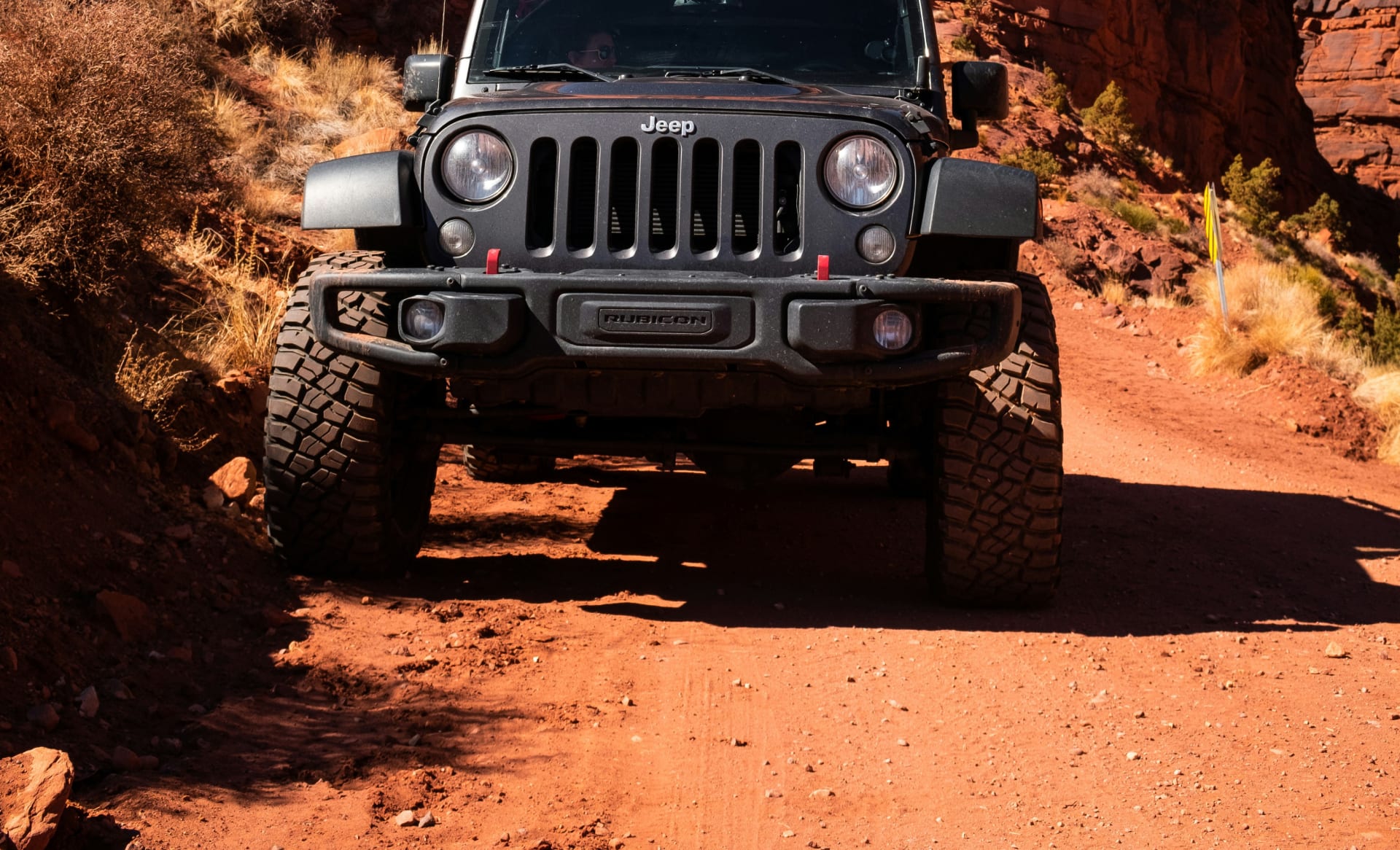
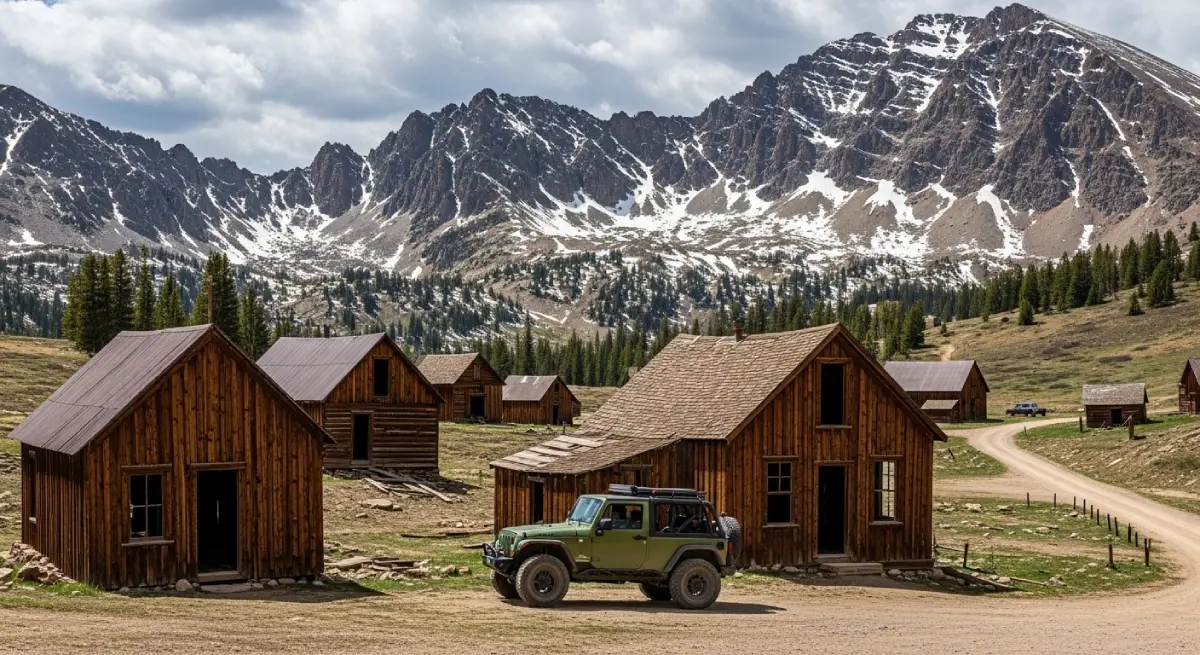
Every altitude challenge that undermines standard rentals is one we've engineered around. Our modified Rubicons feature 2.5- to 3.5-inch suspension lifts delivering 11.5 to 13+ inches of ground clearance—enough to tackle Colorado's most demanding high-altitude trails without scraping. We run 35- to 39-inch aggressive all-terrain tires that maintain traction on the loose rock and scree common above treeline.
Complete skid plate systems protect differentials, transfer cases, and fuel tanks when obstacle contact becomes unavoidable—because at 12,000 feet on rocky terrain, it's always a matter of when, not if. Heavy-duty steel bumpers provide proper approach and departure angles for the steep grades these passes demand. Upgraded cooling systems keep temperatures stable during sustained climbs in thin air that would overwhelm stock radiators.
We operate in Colorado locations strategically positioned for high-altitude access. Whether you're tackling the Alpine Loop from Silverton, running Imogene from Telluride, or exploring the remote trails accessible from Durango, we provide the vehicle capability—and the local knowledge—to make it happen safely.
Colorado altitude separates daydreams from actual adventures. The thin air, the demanding terrain, the unpredictable weather—these aren't obstacles to fear. They're factors to understand, prepare for, and ultimately respect. With proper acclimatization, capable equipment, and realistic planning, the high passes of Colorado deliver experiences available nowhere else on earth. Bring the preparation. We'll bring the Jeeps.